Purgatory Lane in Naples, Italy / off the beaten path

Naples is the flower of paradise. The last adventure of my life. Alexandre Dumas

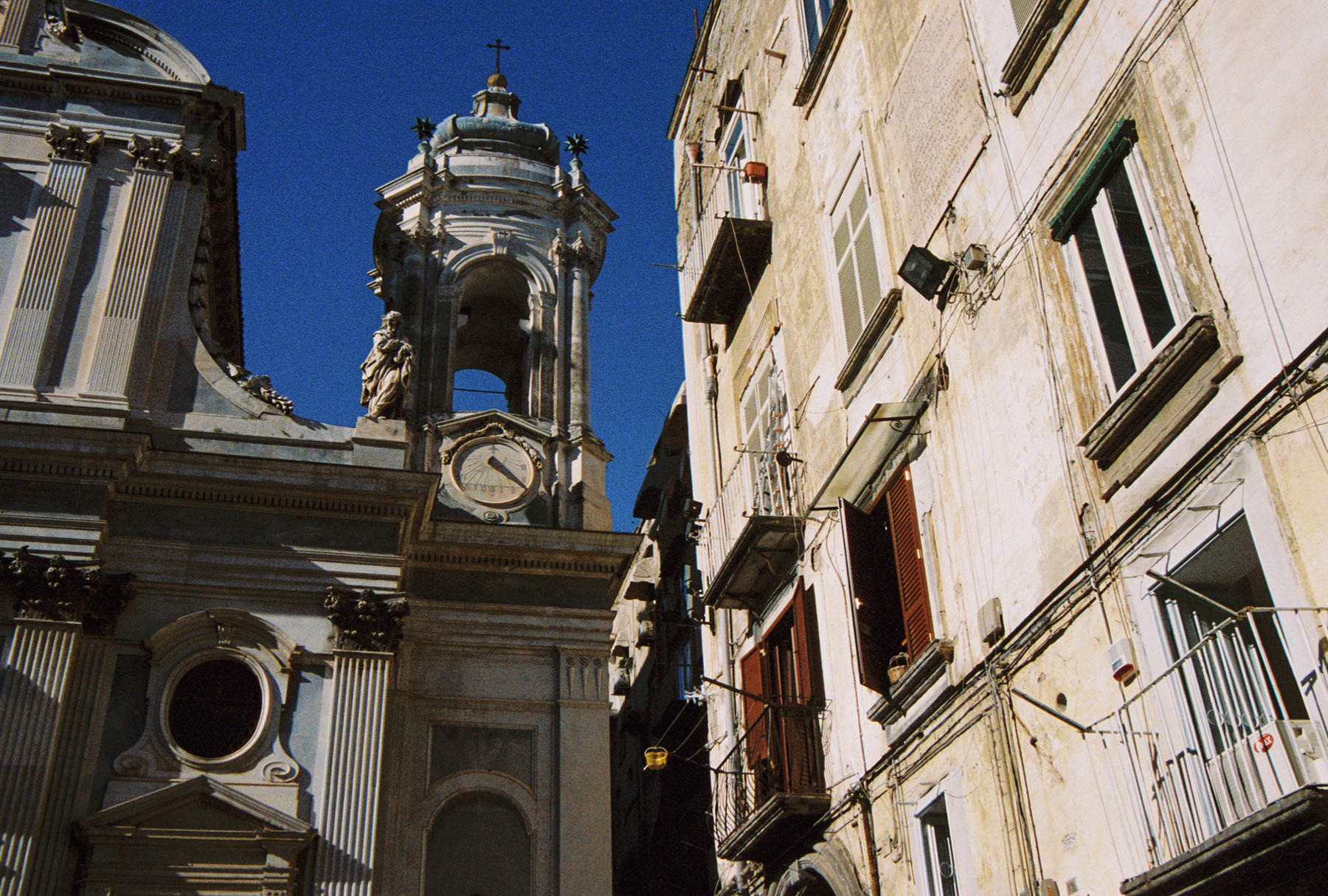
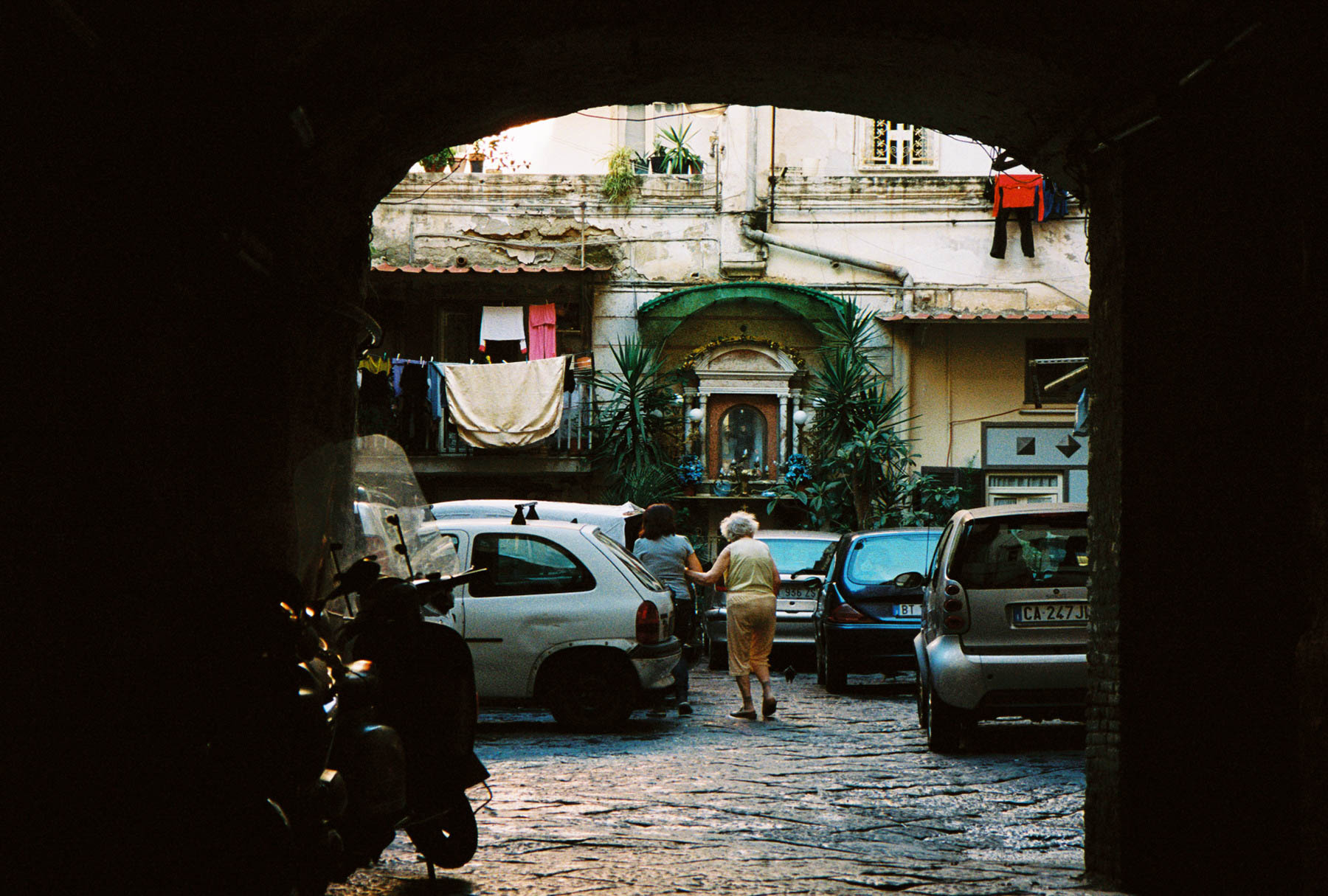
There is a residential “street”, an off the beaten path alleyway with the delightfully macabre name of Vico Purgatorio Ad Arco, “Purgatory Lane”. I had a love affair with alleyways, you see, and never have I been more sated than in Napoli.


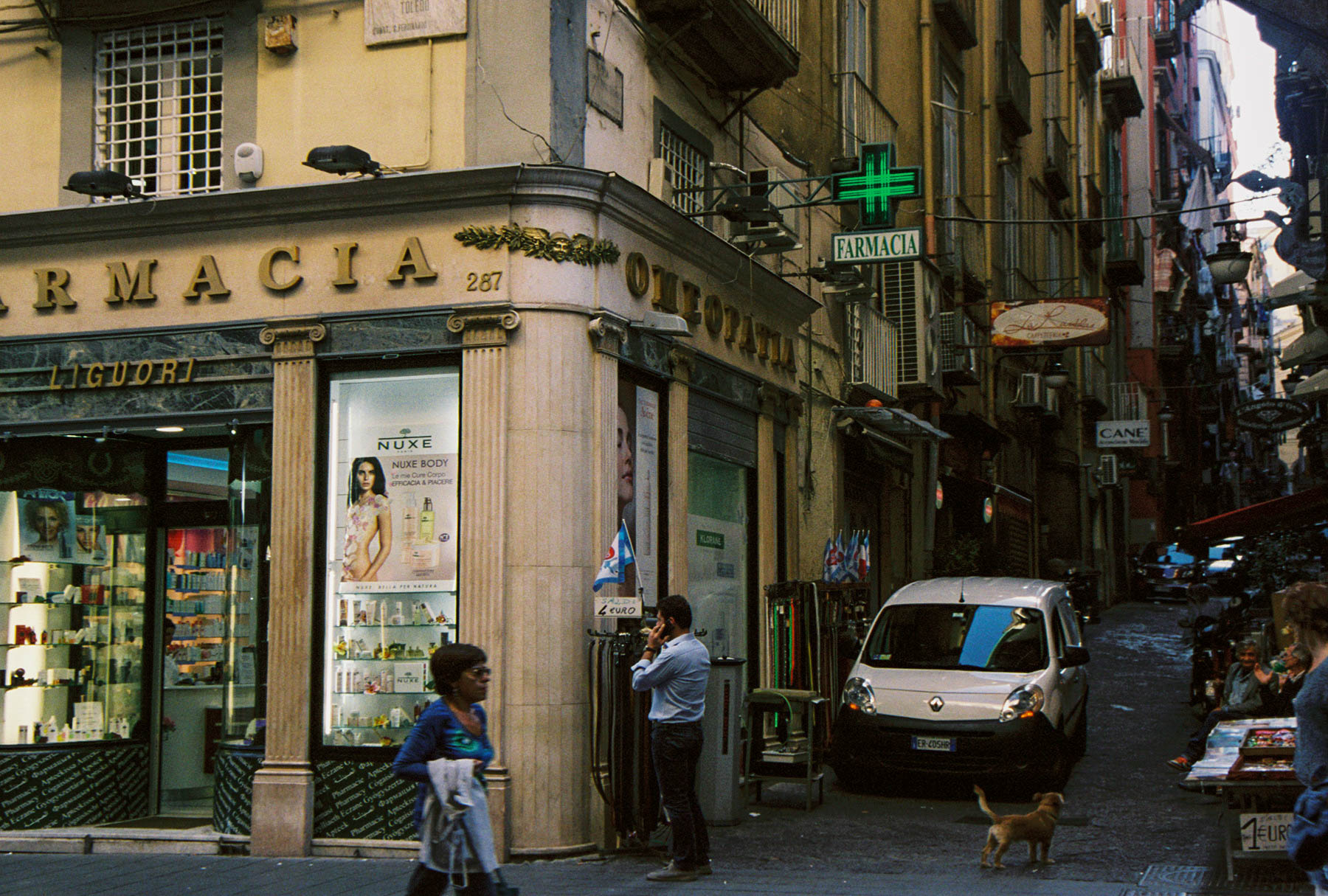
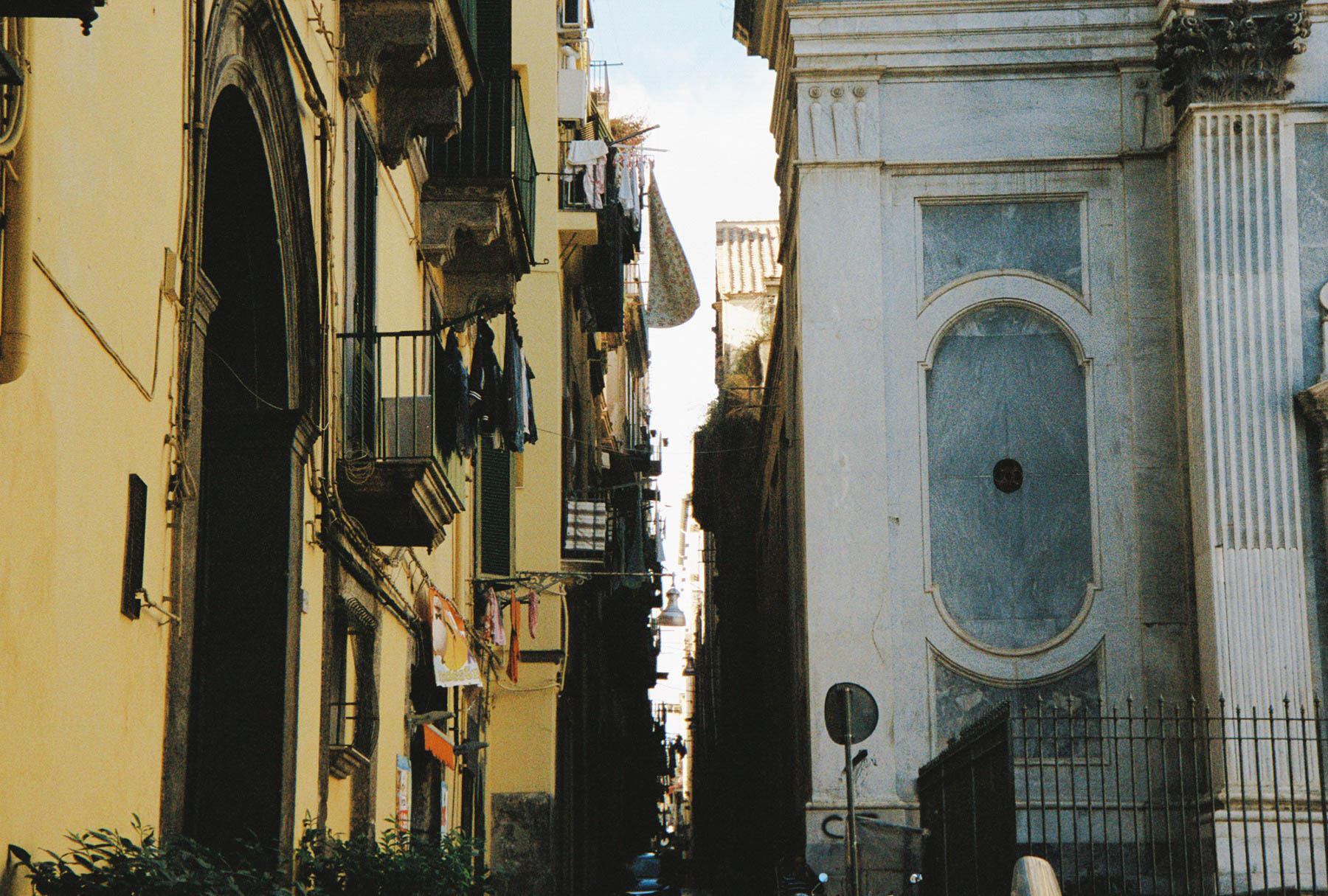
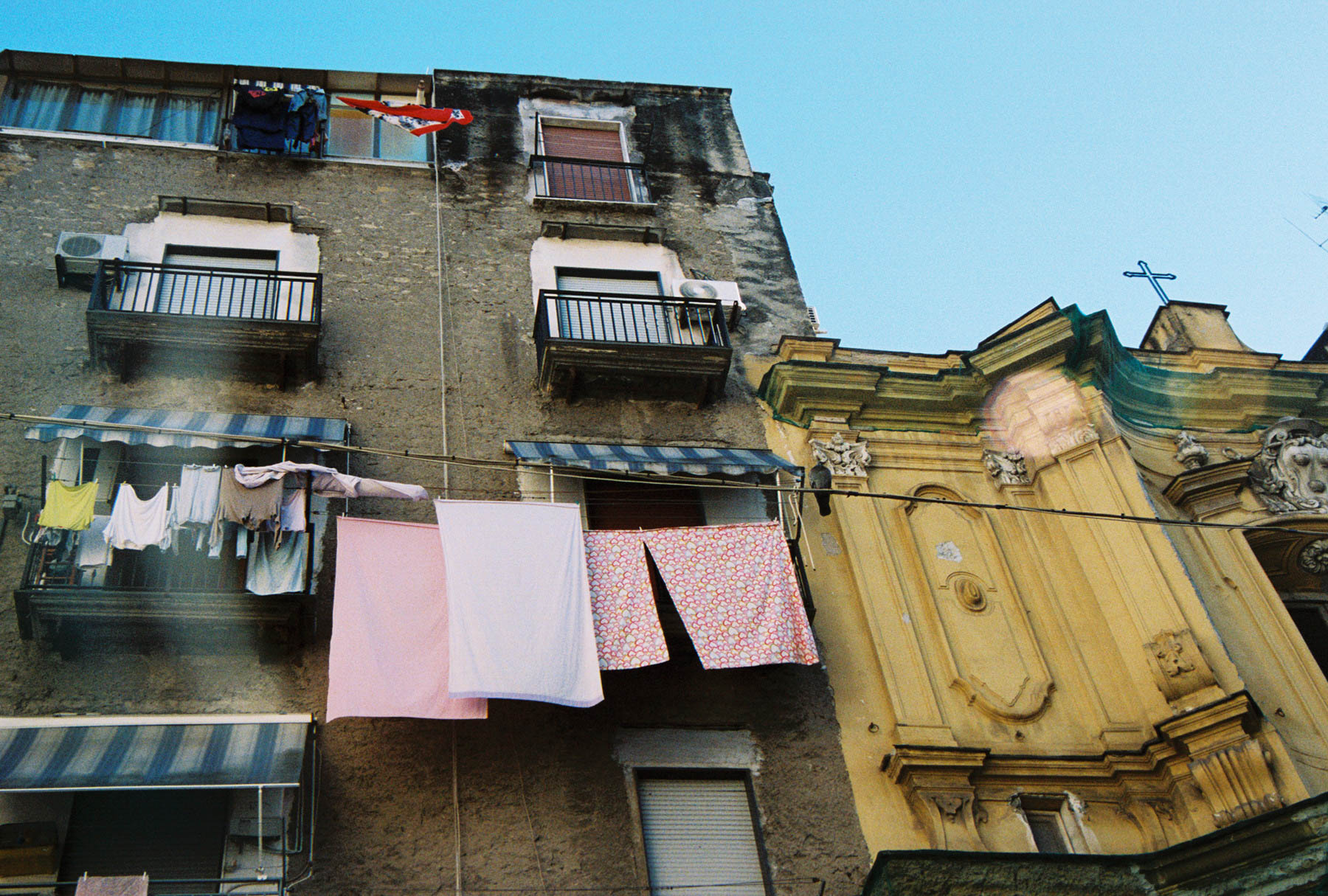
Every narrow opening makes you stop and turn and take in the sights and sounds of Naples. There’s something very beautiful about an alley way, something personal and old, full of secrets and stories and the every day life of strangers. I love the alleys of Boston and New York and New Orleans. Naples alley ways are incomparable because they are places people live to catch sunlight in the darkest places. Neapolitans hang their laundry on little racks on tiny iron balconies. They stack pretty painted clay pots and urns full of flowers. They tie little flags and bunting. The alleys are dark and dank and should be places for trash and death and forgetting. But they are walk ways. They are corners to stop for a moment and discuss the weather with your neighbor. They are short cuts and open windows and the sounds of football playing on an unseen television. They are windows across from cousins and lovers looking at each other when their parents are busy cooking or cleaning. They are the sounds of getting ready for the evening pasieggeta. They are as I had always imagined them: gritty, velvet thick, enchanting, private glimpses of the real Napoli.
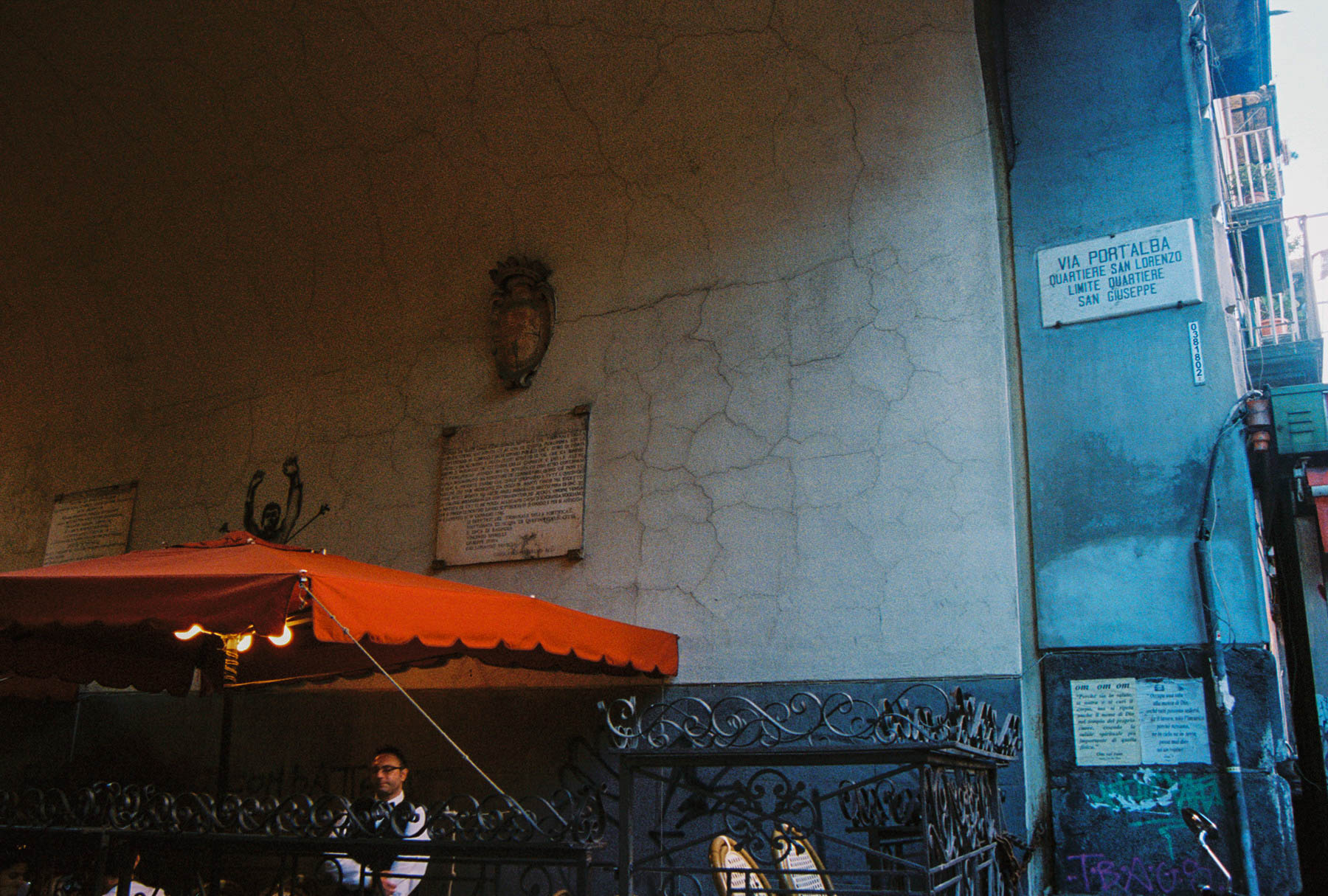
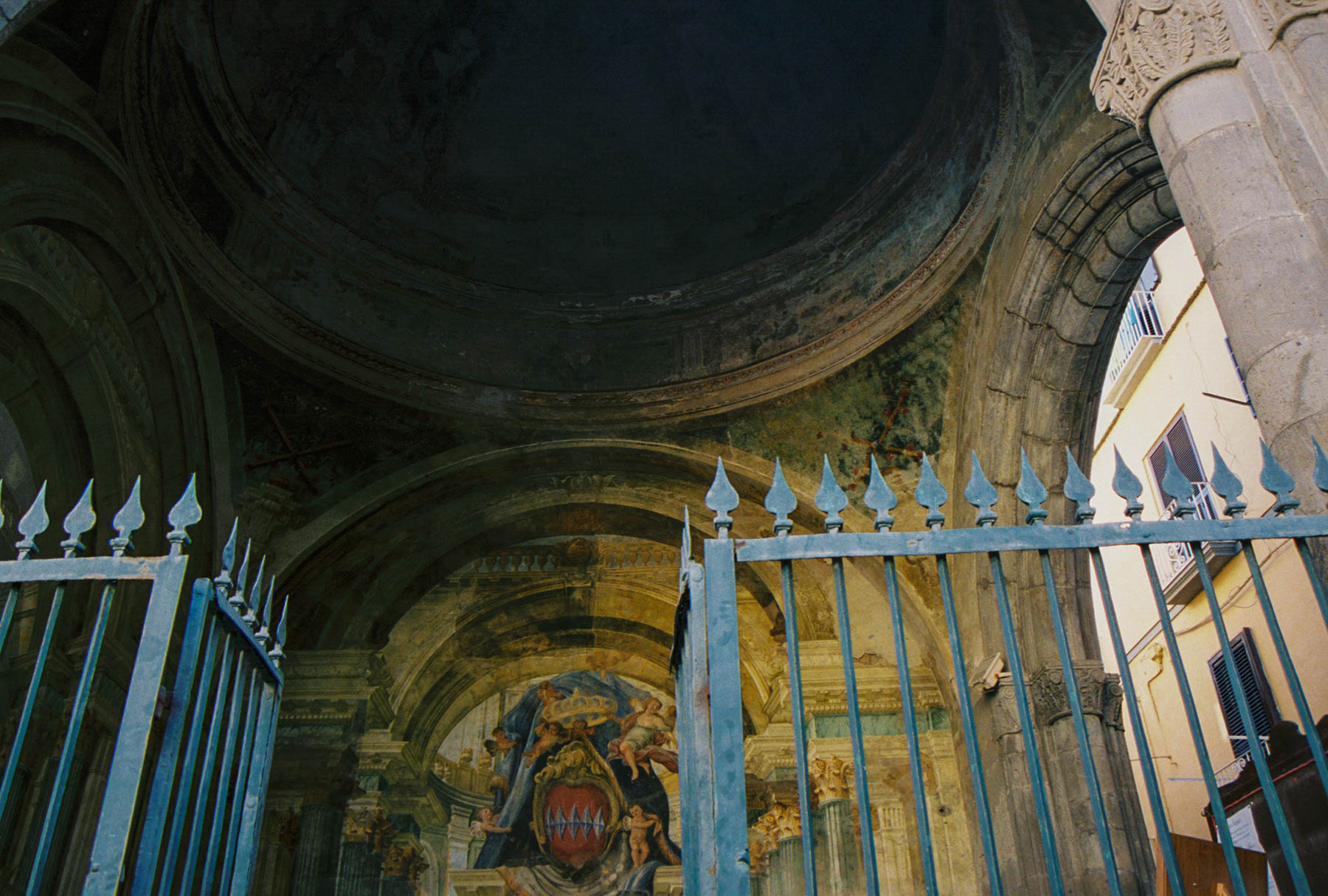
There is the foreboding sign which points in the direction of Purgatory Lane. Most people would cross the street to avoid it. But we were different, weren’t we, you and I, Rian? That made it all the more inviting to us all those years ago. Entering purgatory was like stepping back in time. Even in the midst of the buzz of modern life around us.

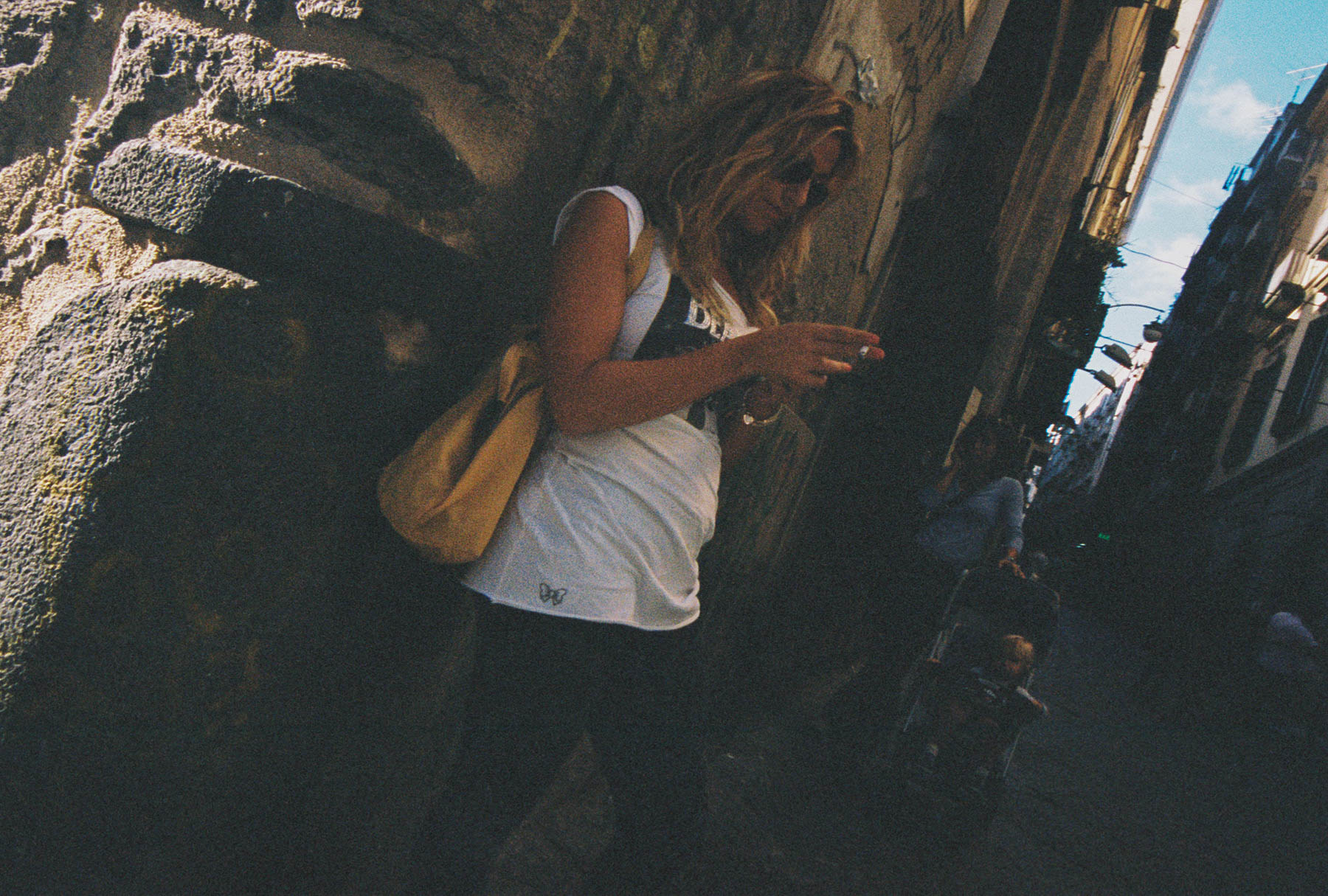
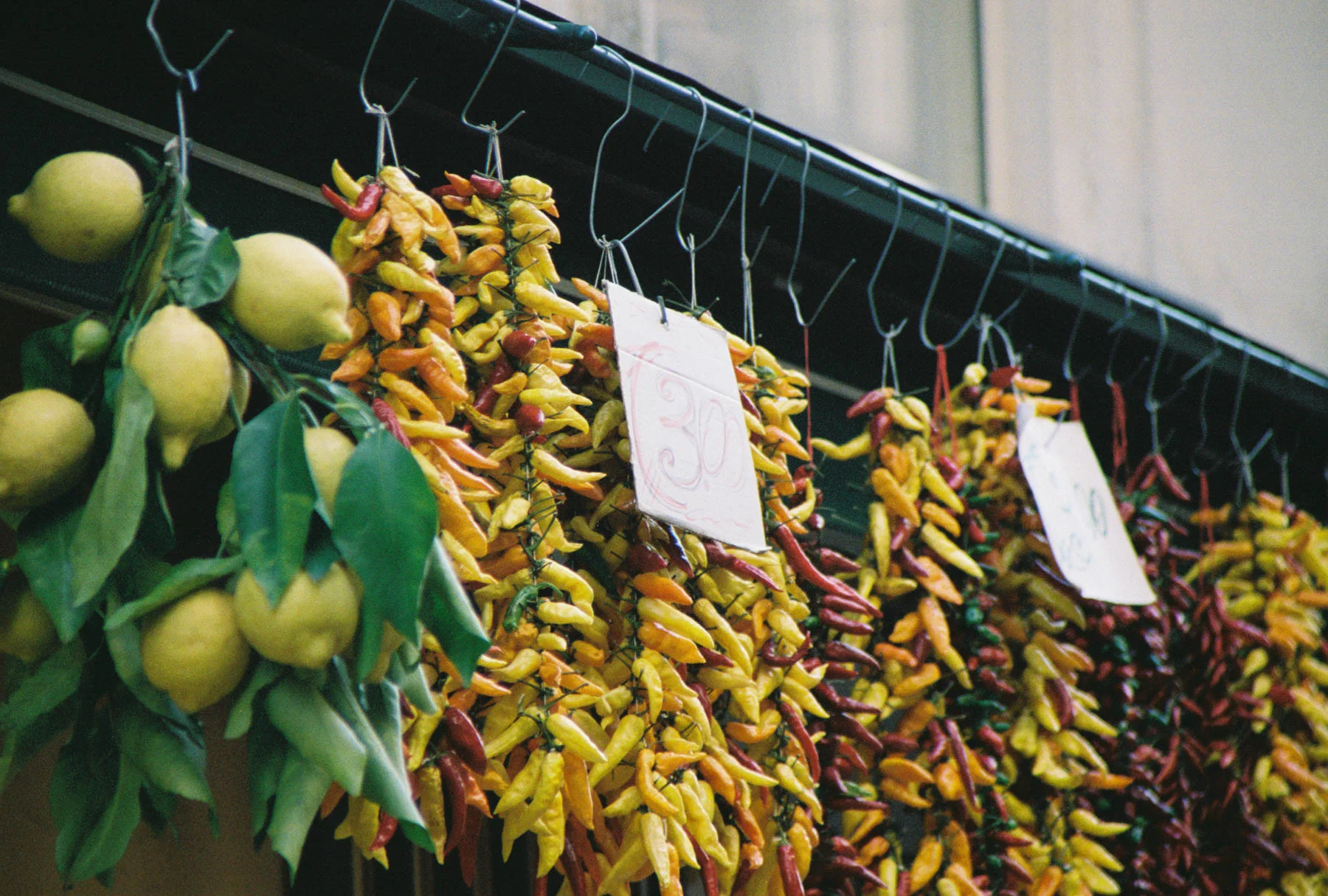
Kids played football in the streets, they ran through the alleys laughing and dodging each other. Vespas and motorcycles lined the private walks to the apartments. There were surprising flourishes of pinks and golds and soft blues among the blacks and browns. Colors and shadows mixed. We walked through unnoticed. Life was there, the good and the bad. We were just tourists.

Anaïs Nin once said, “I don’t want to be a tourist in the world of images.”
We wanted to step into the picture and become a part of it.
But until I am gone, I am always on the other side of the lens, watching, capturing, stealing images like the thief that I am. I stalk moments and feelings. I want trouble and grit to make something beautiful out of it. I am selfish, a little bit soulless, in my pursuit of another perfect shot. Perhaps the right kind of person for a purgatory?
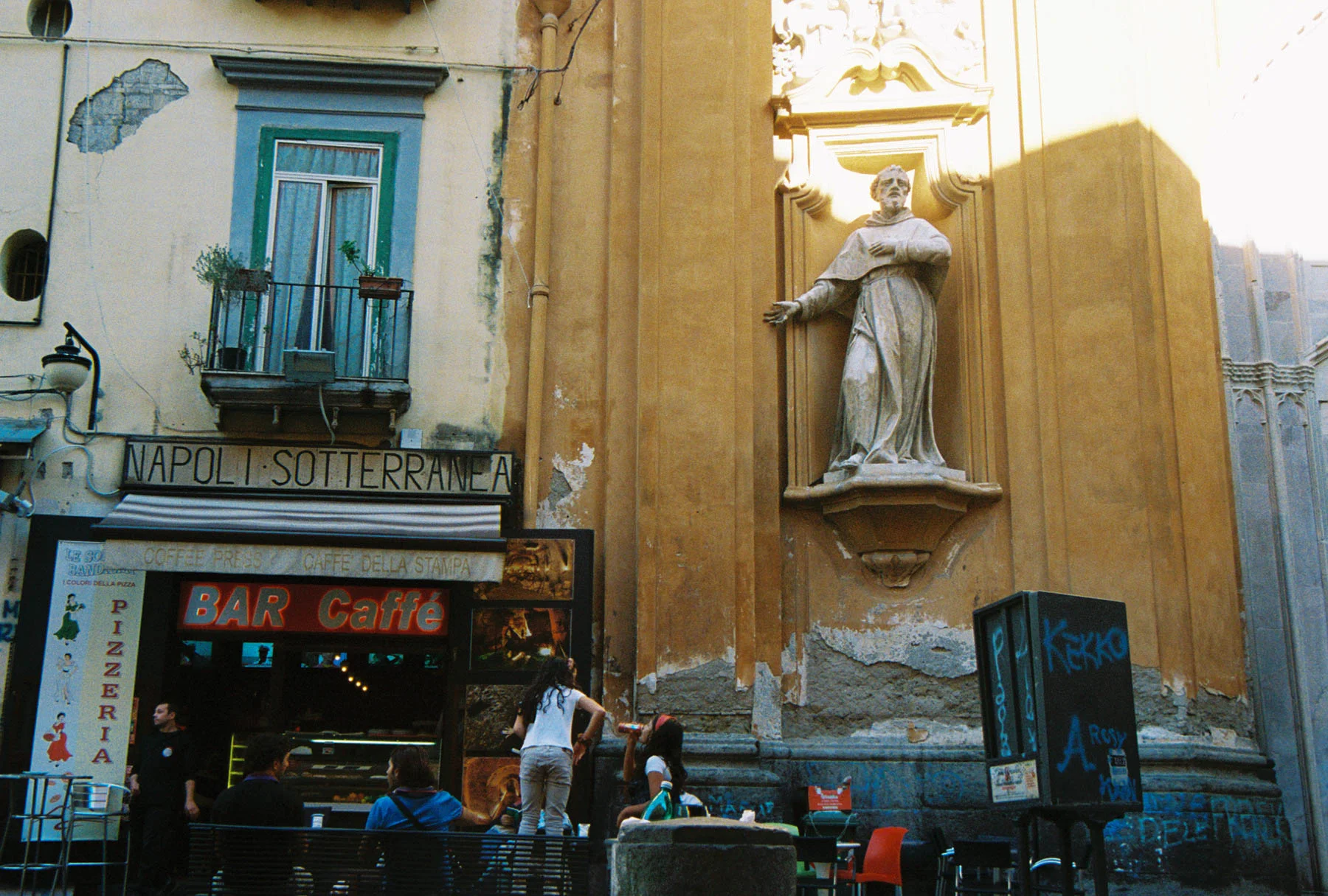
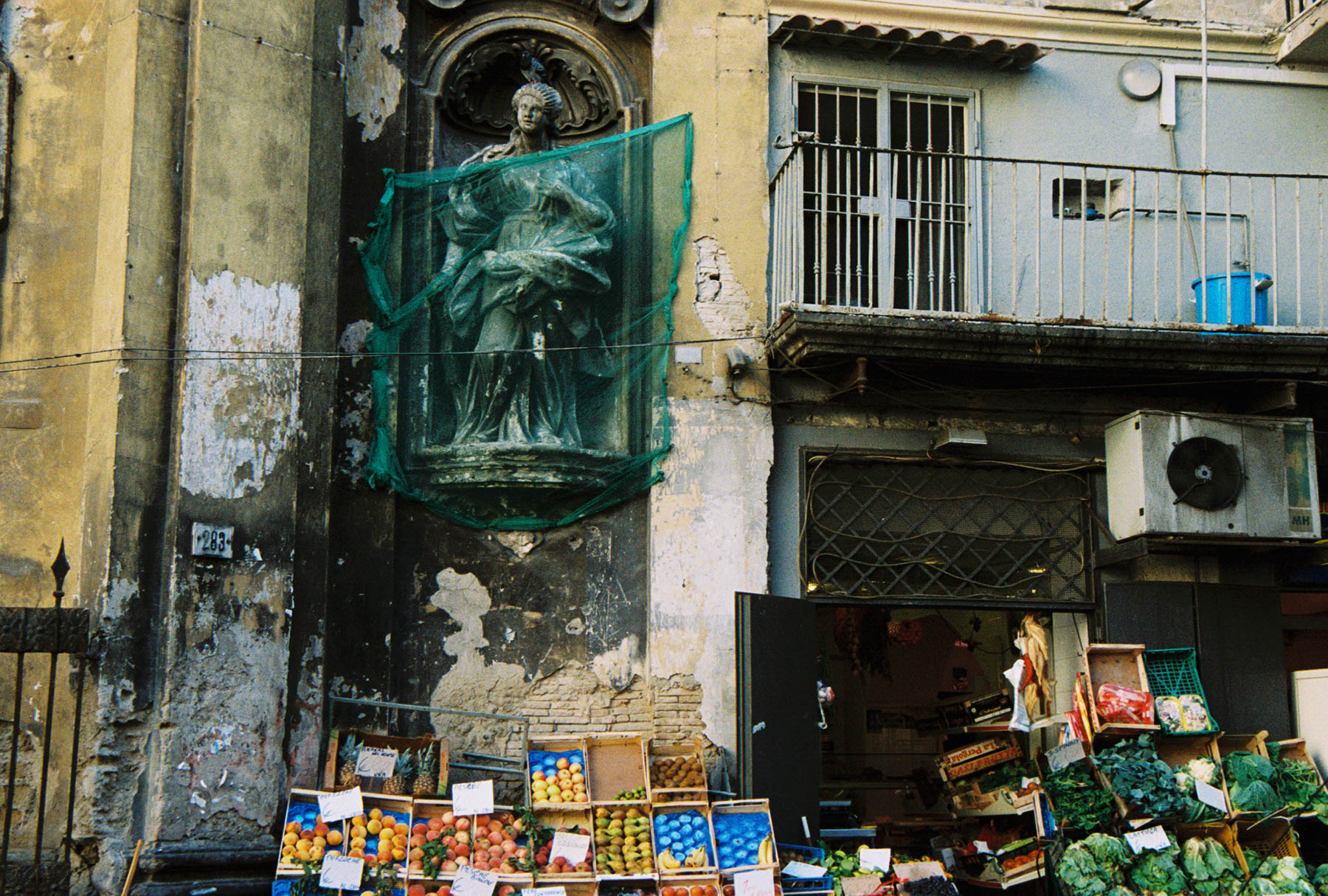
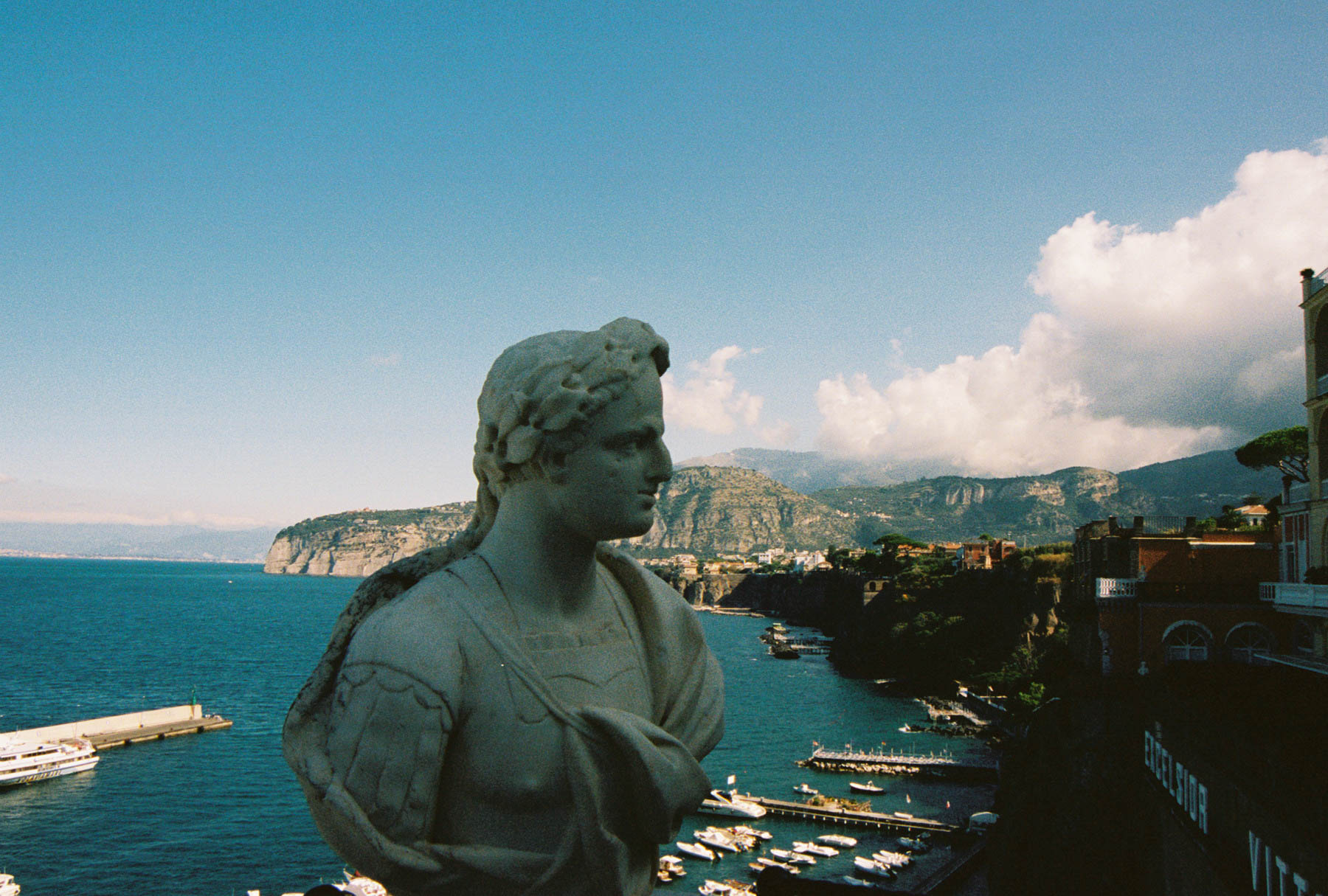
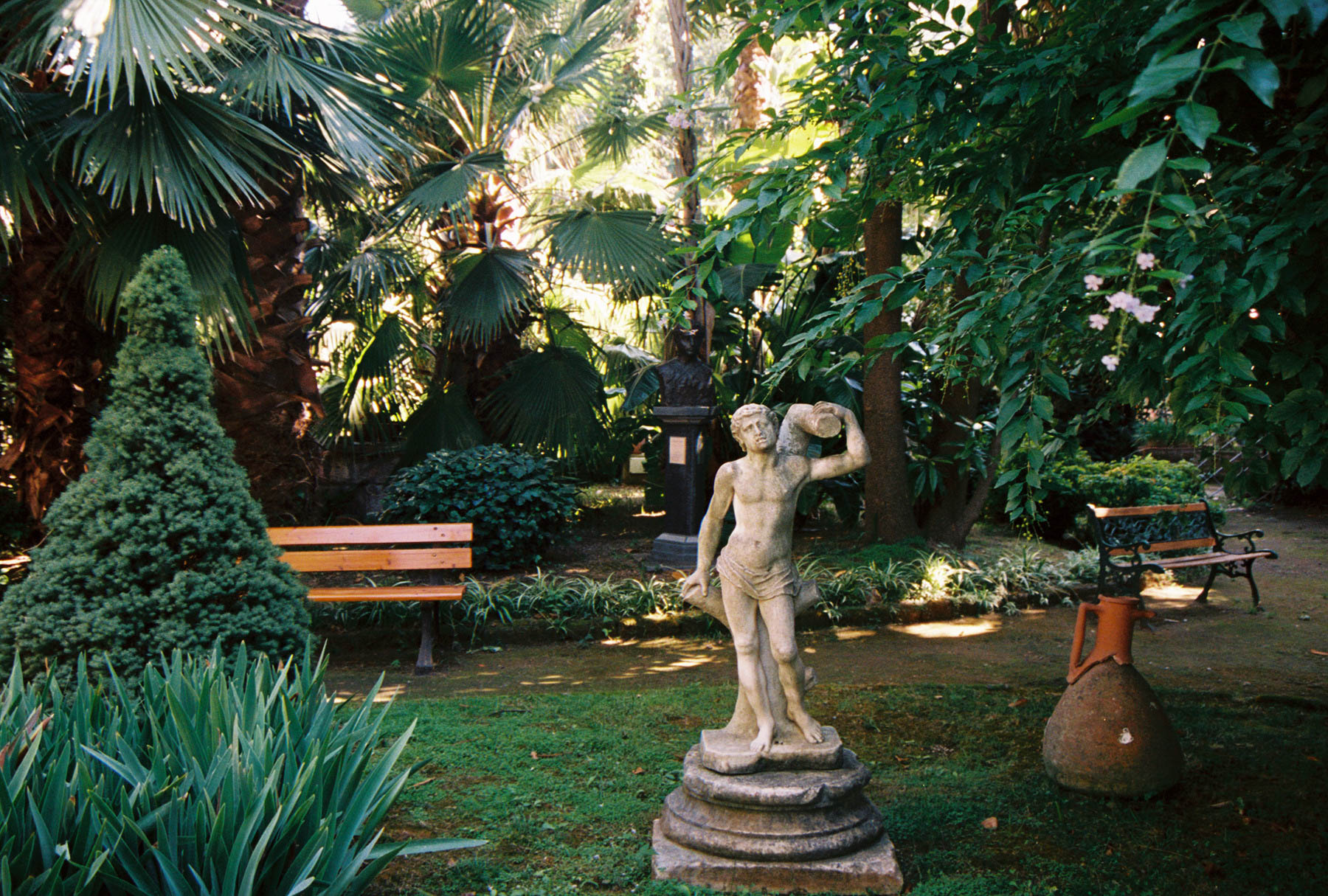
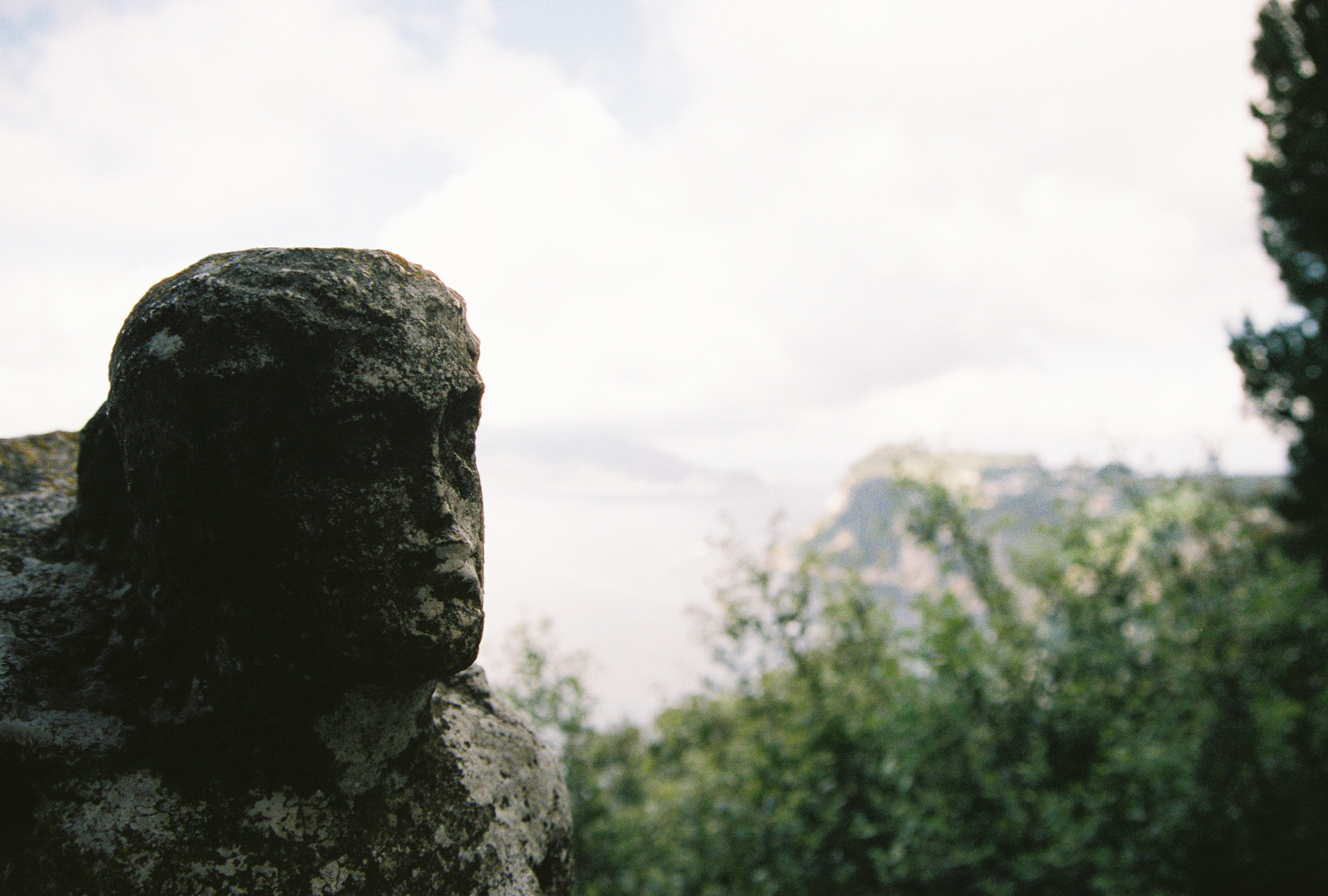
I chase strangers with the cunning of a secret admirer. I photograph statues like living things and people like sculptures. I cannot tell the difference between the saints and the sinners on the streets.

The Splendor of Napoli and the Isles of the Emperors
the splendor of napoli and the isles of the emperors
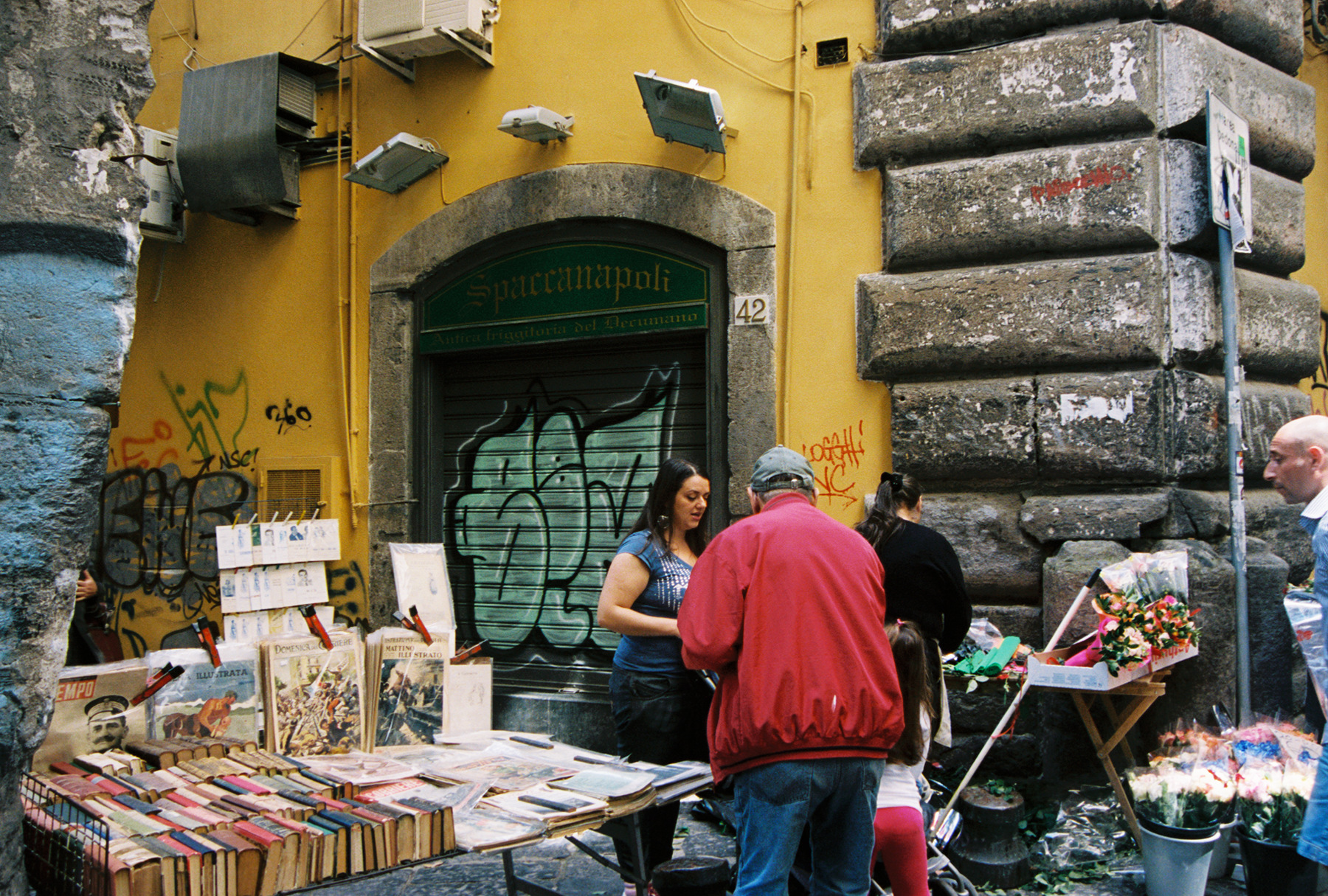
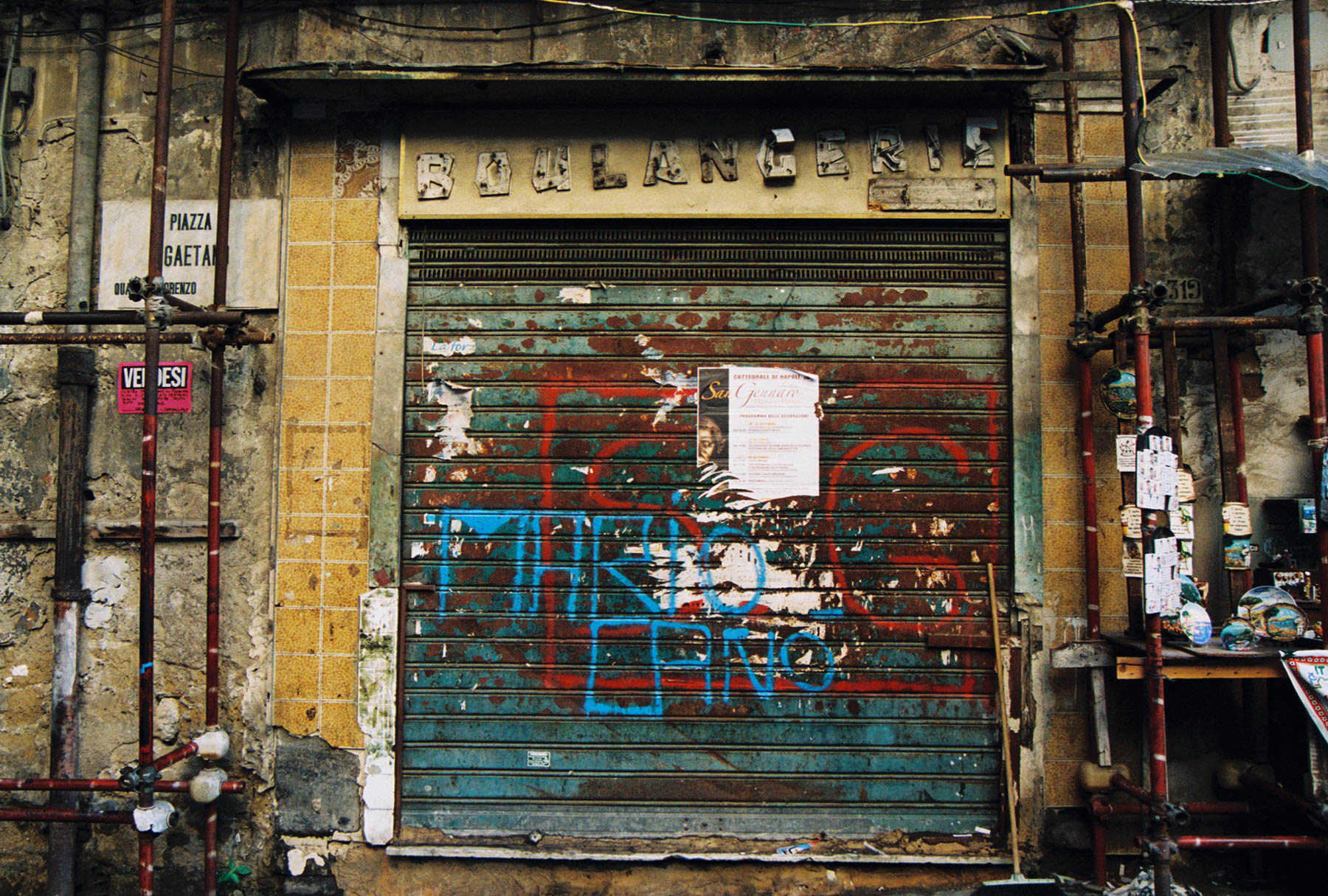
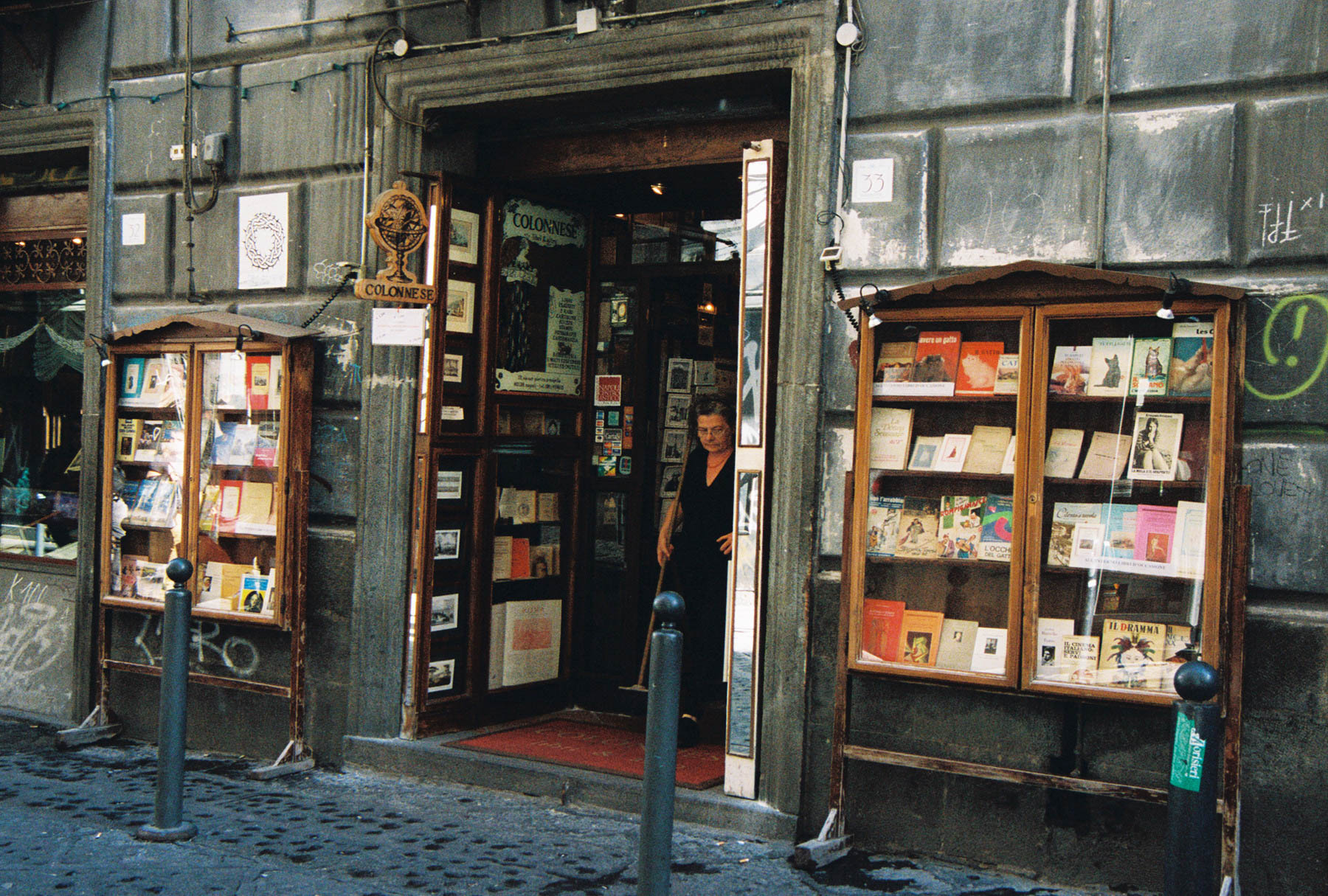
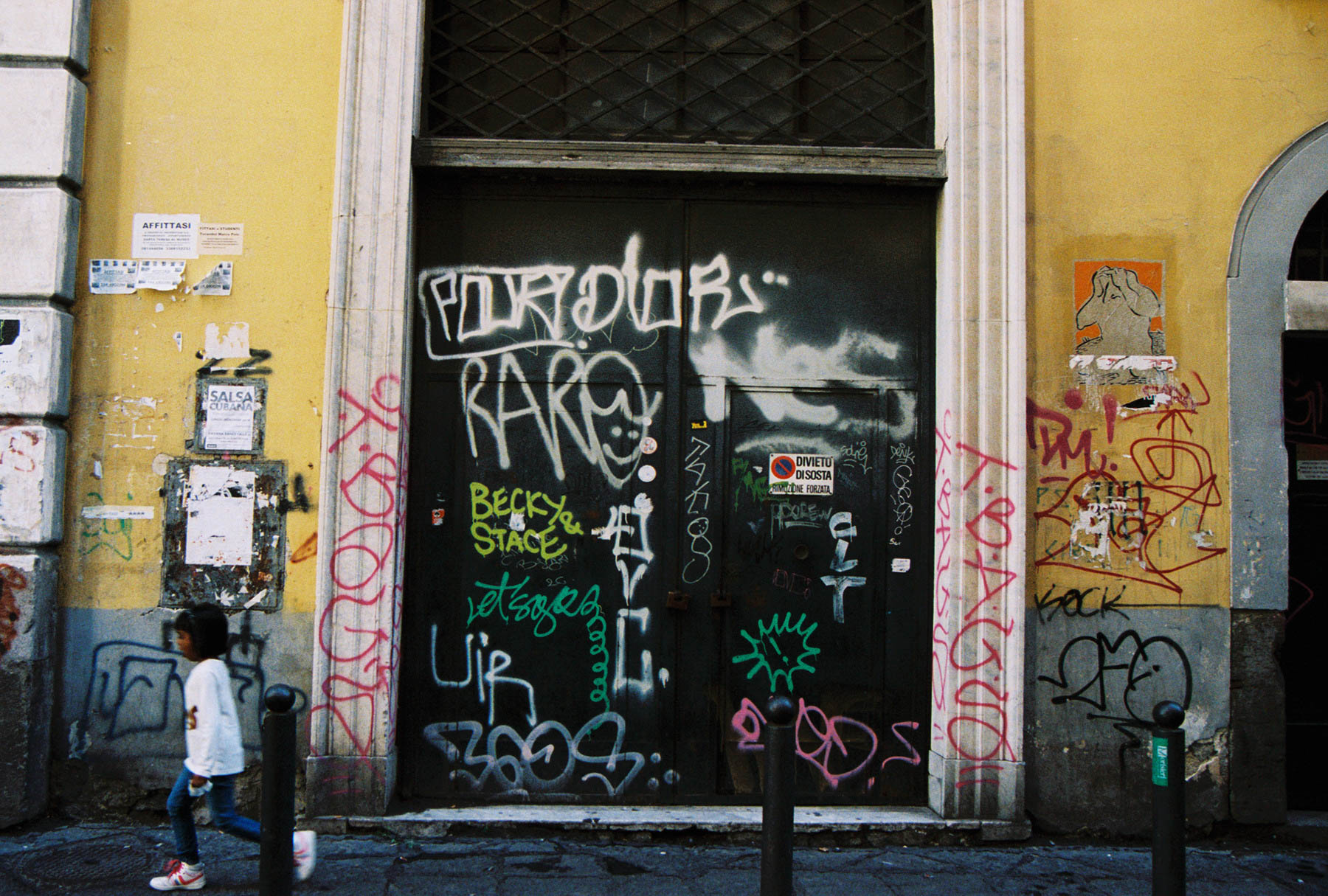
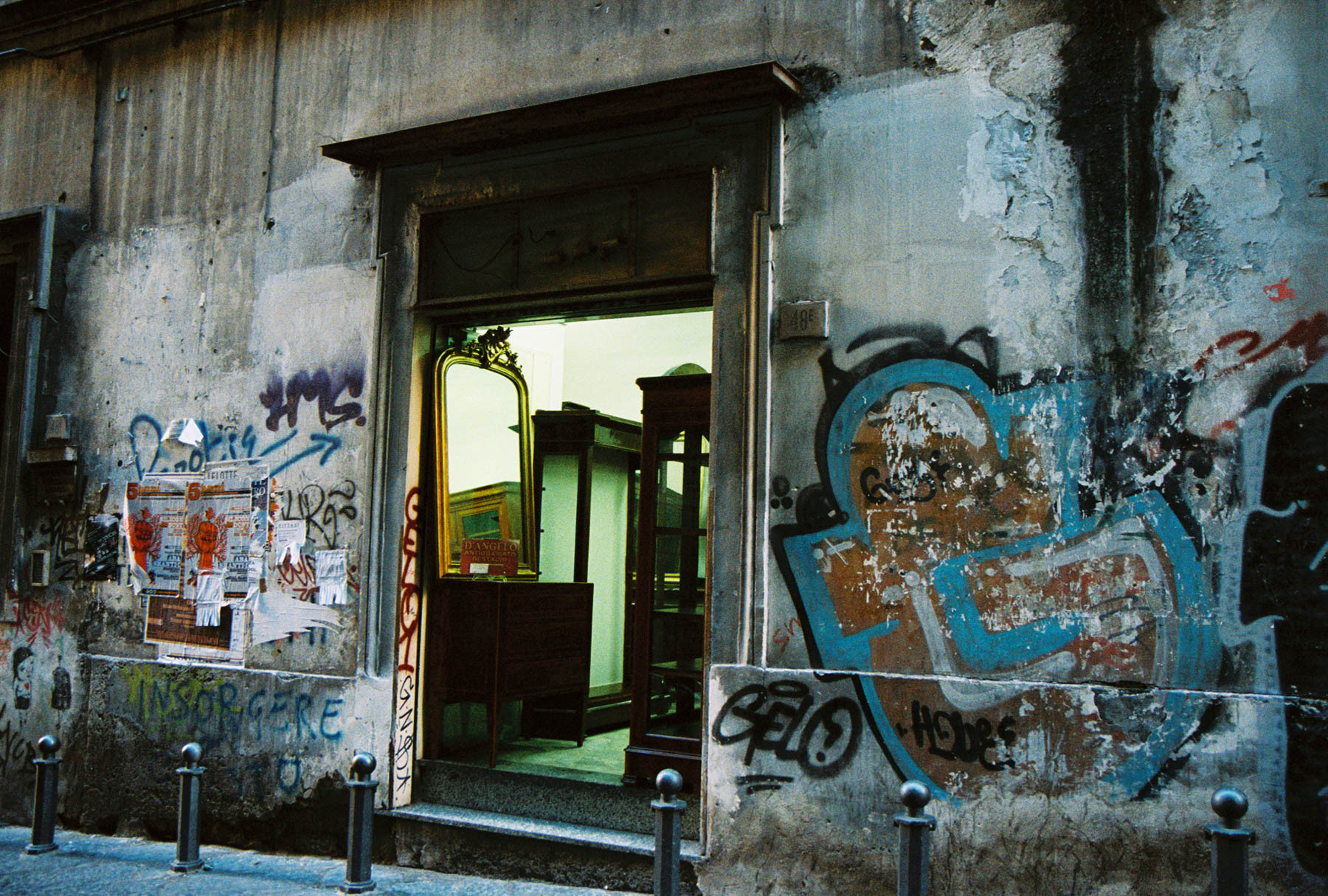
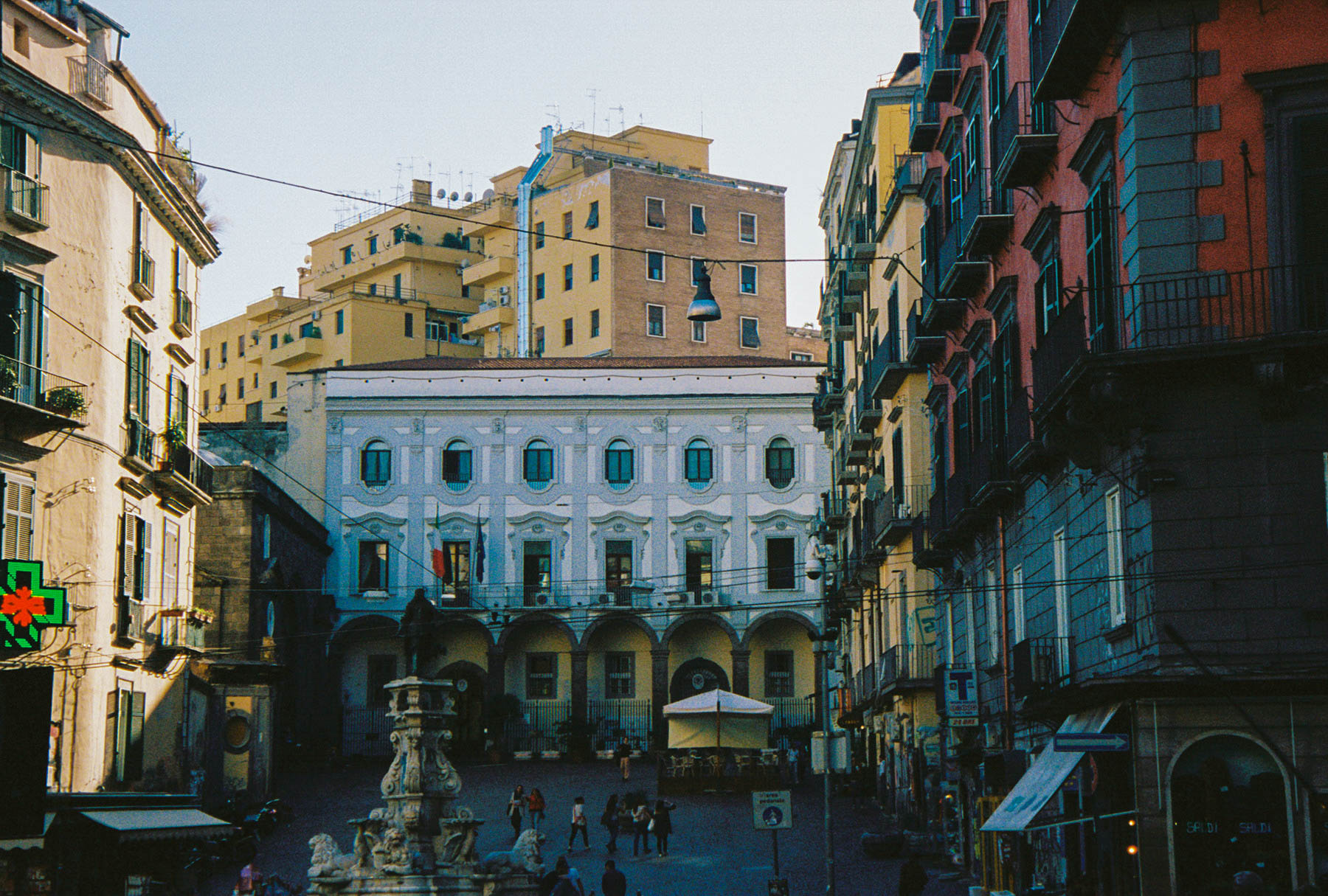
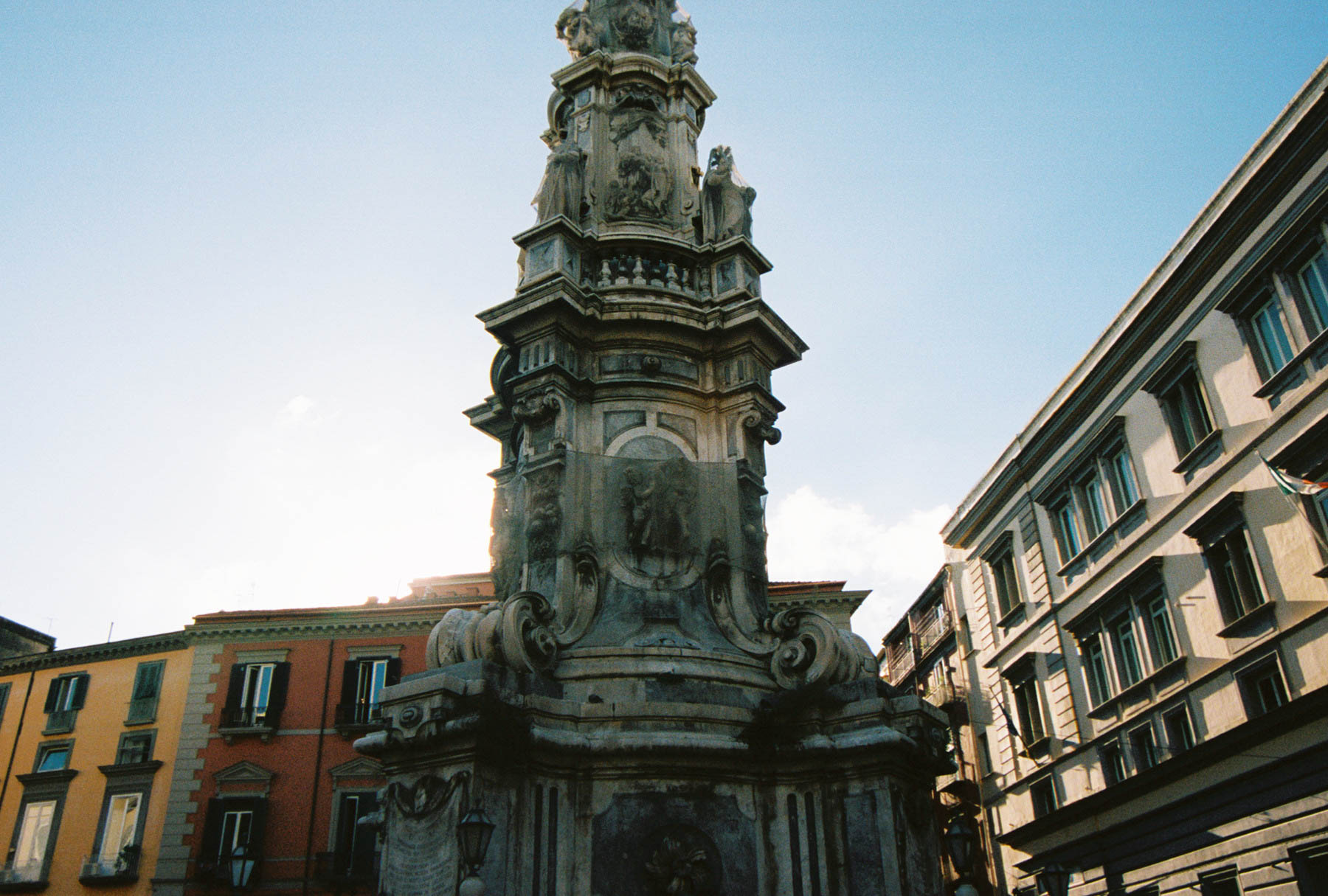
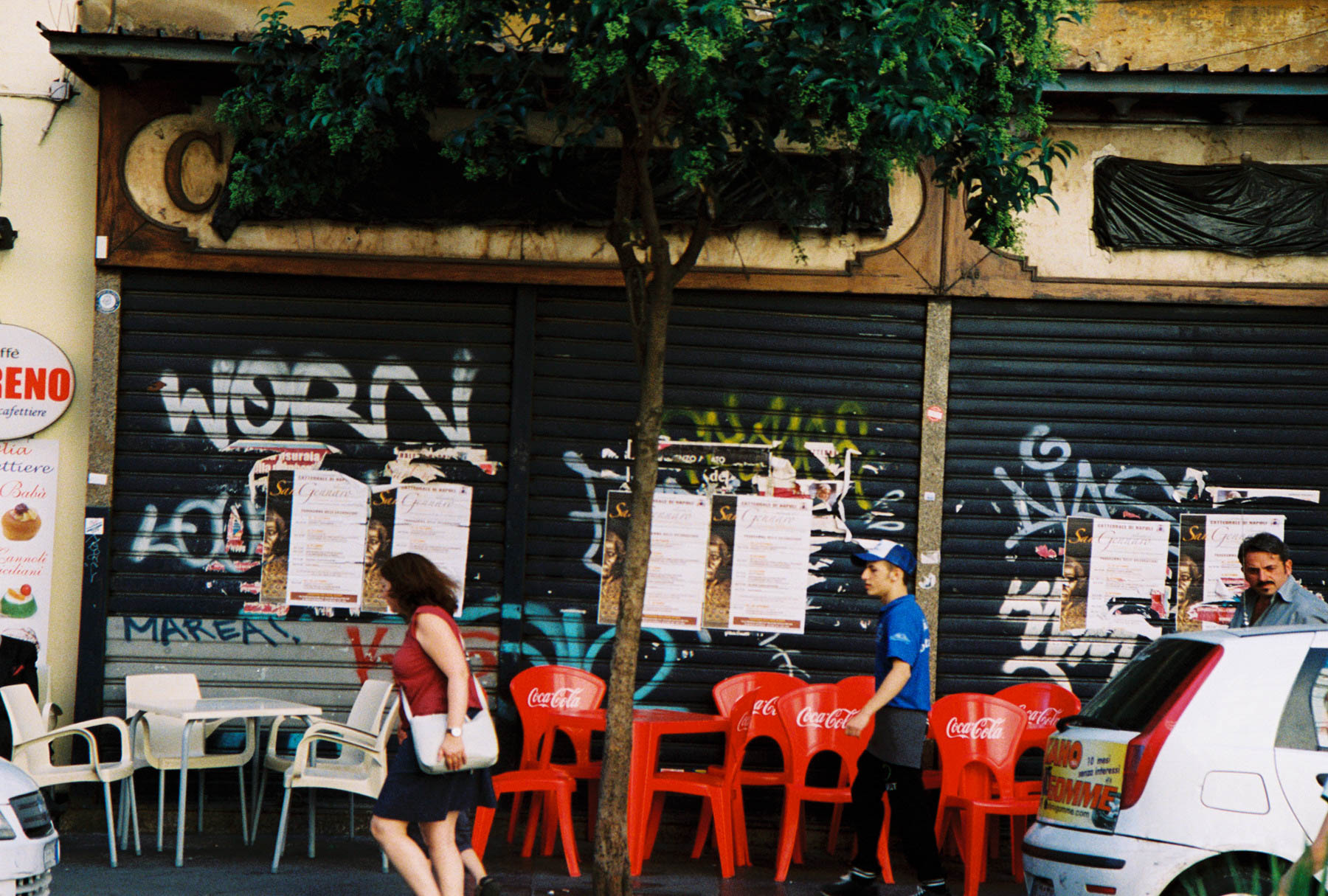
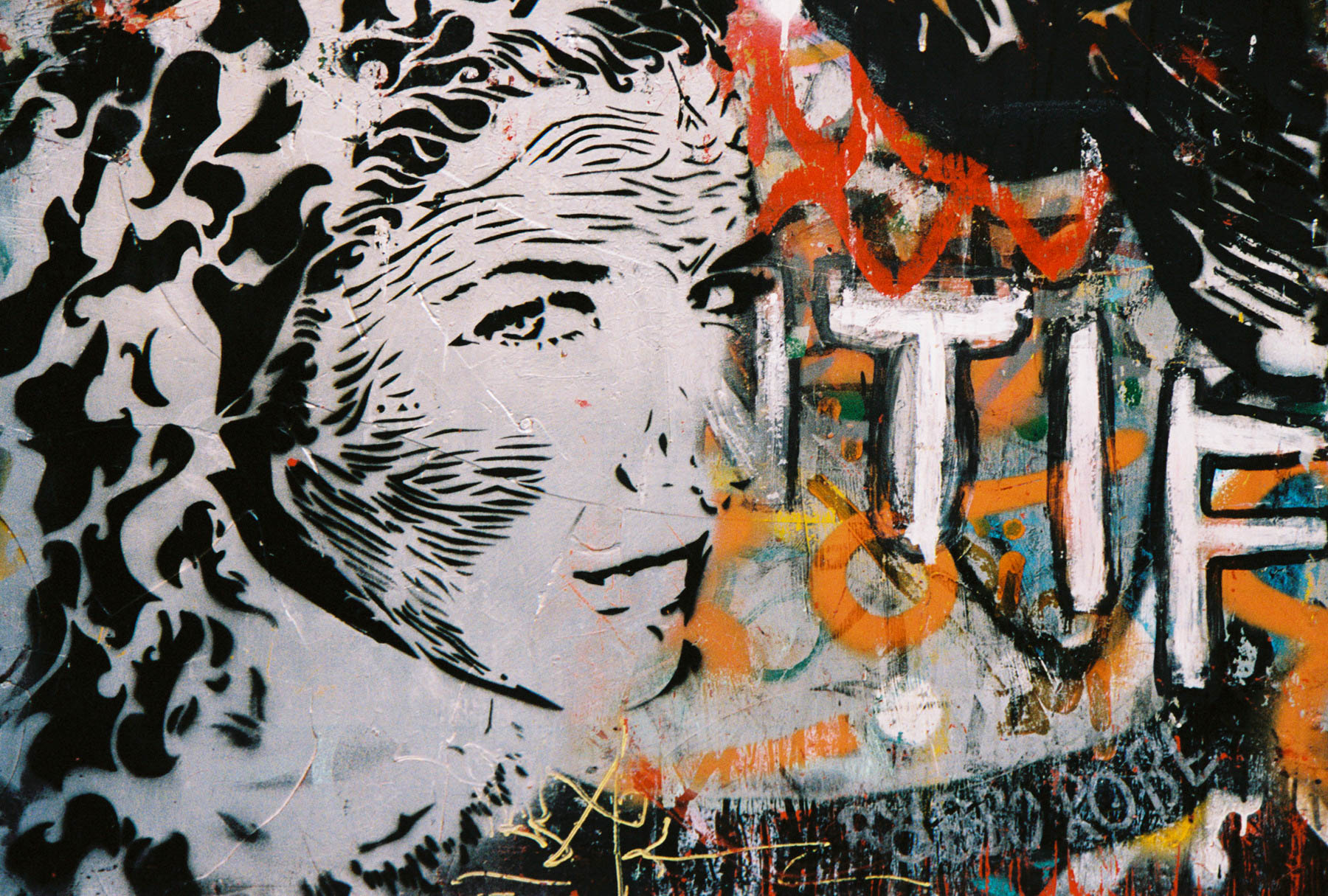
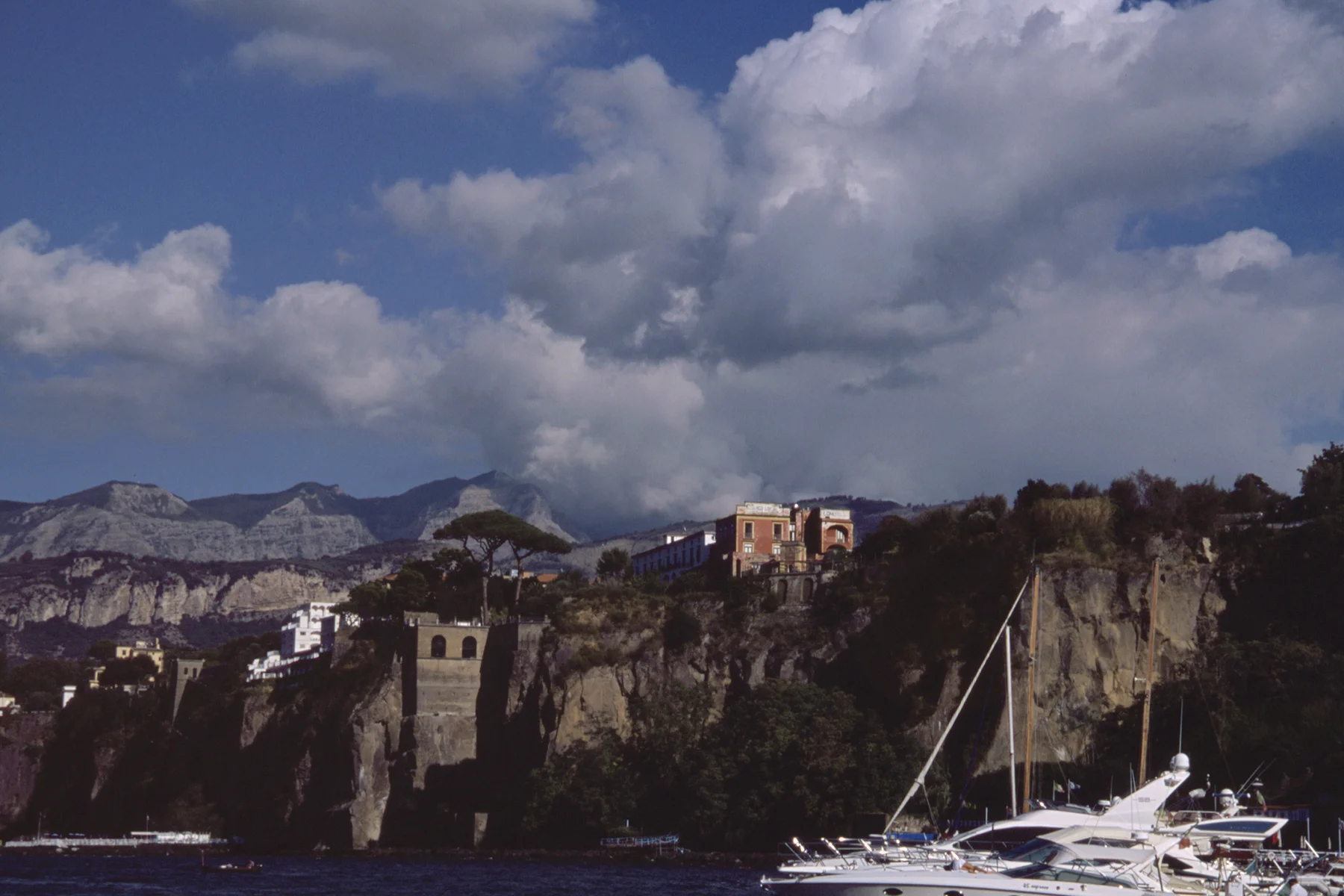
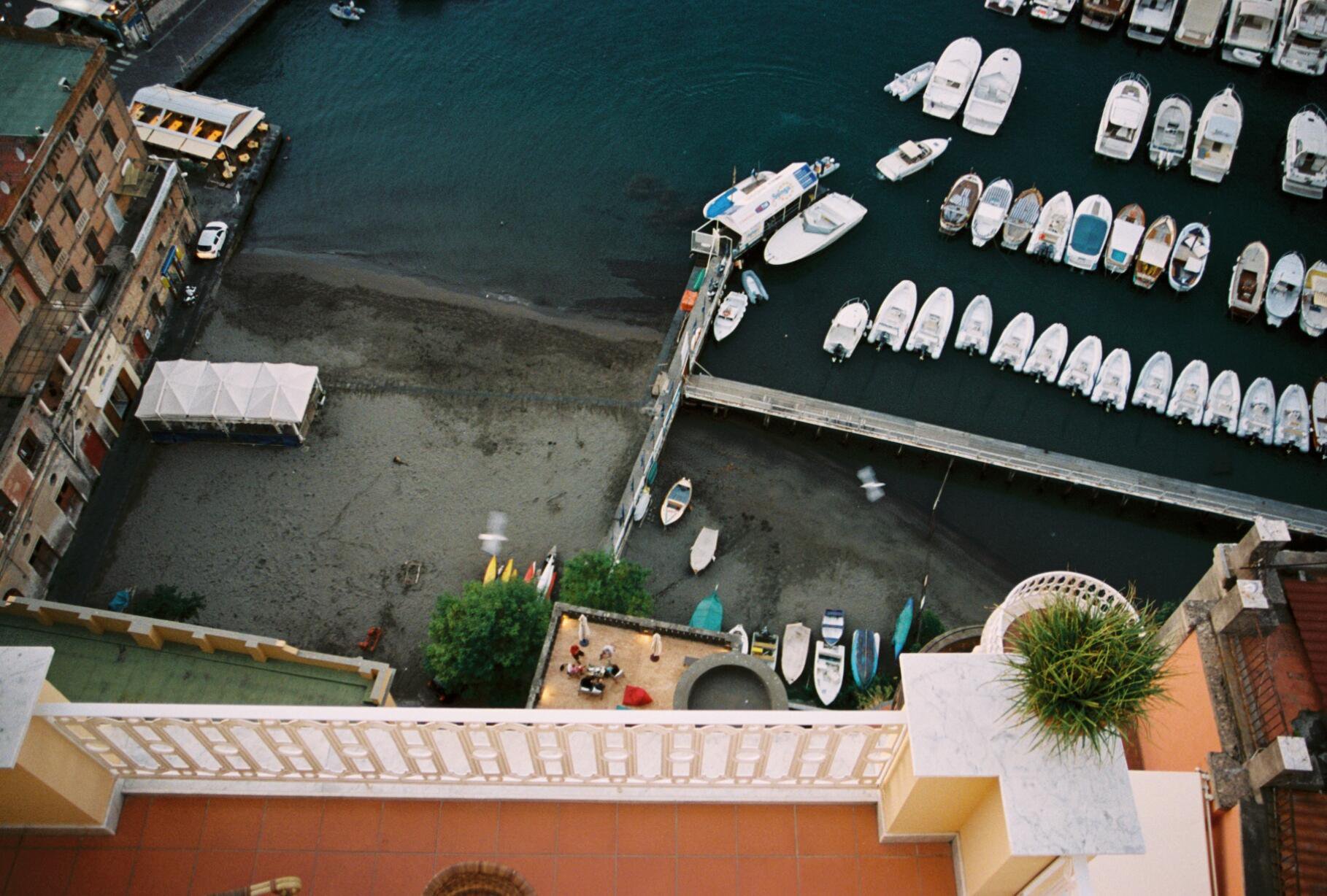
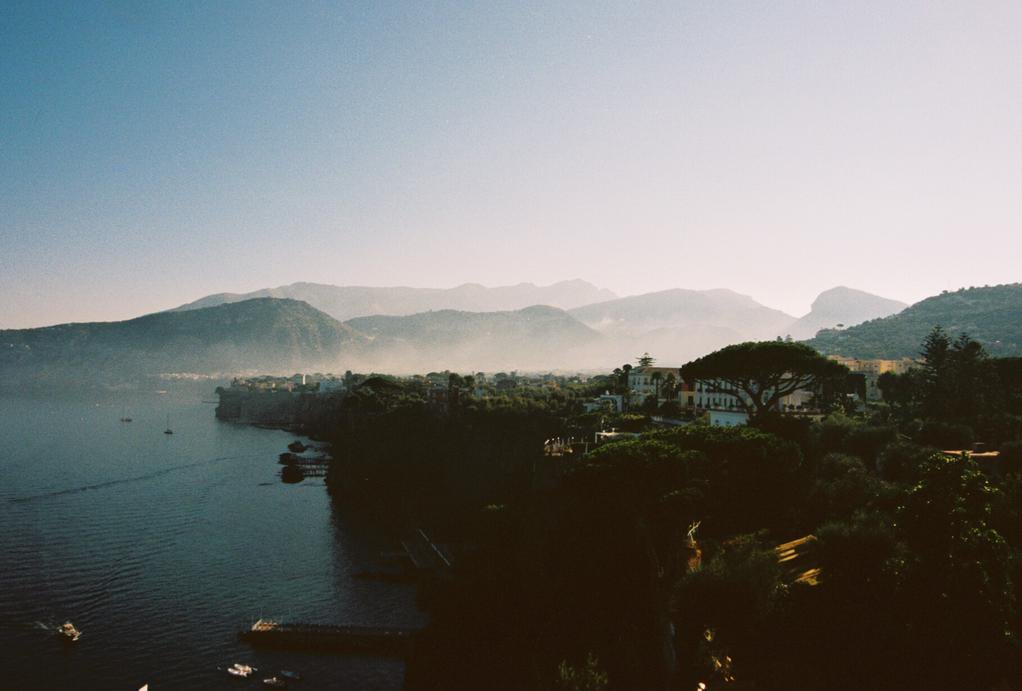
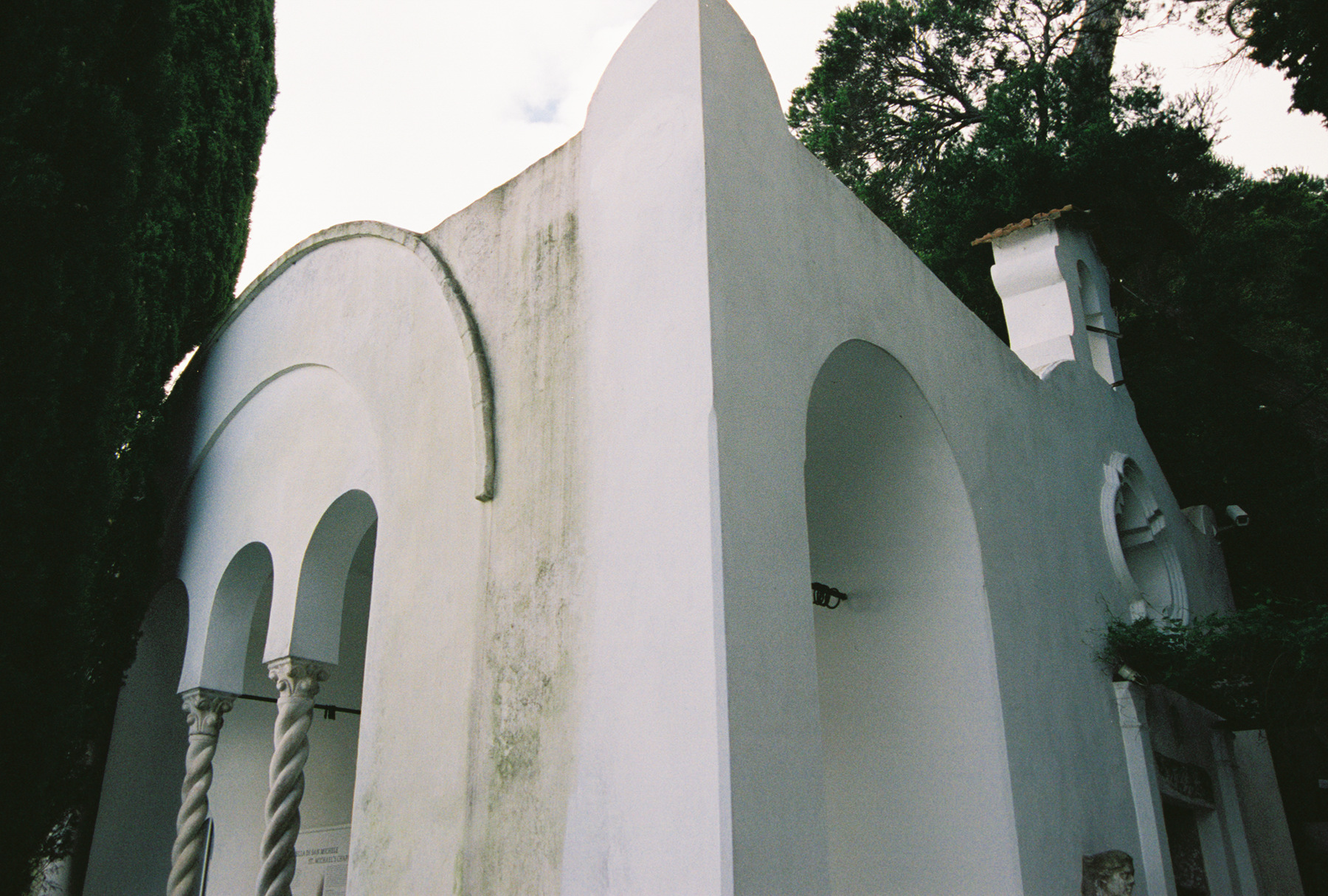
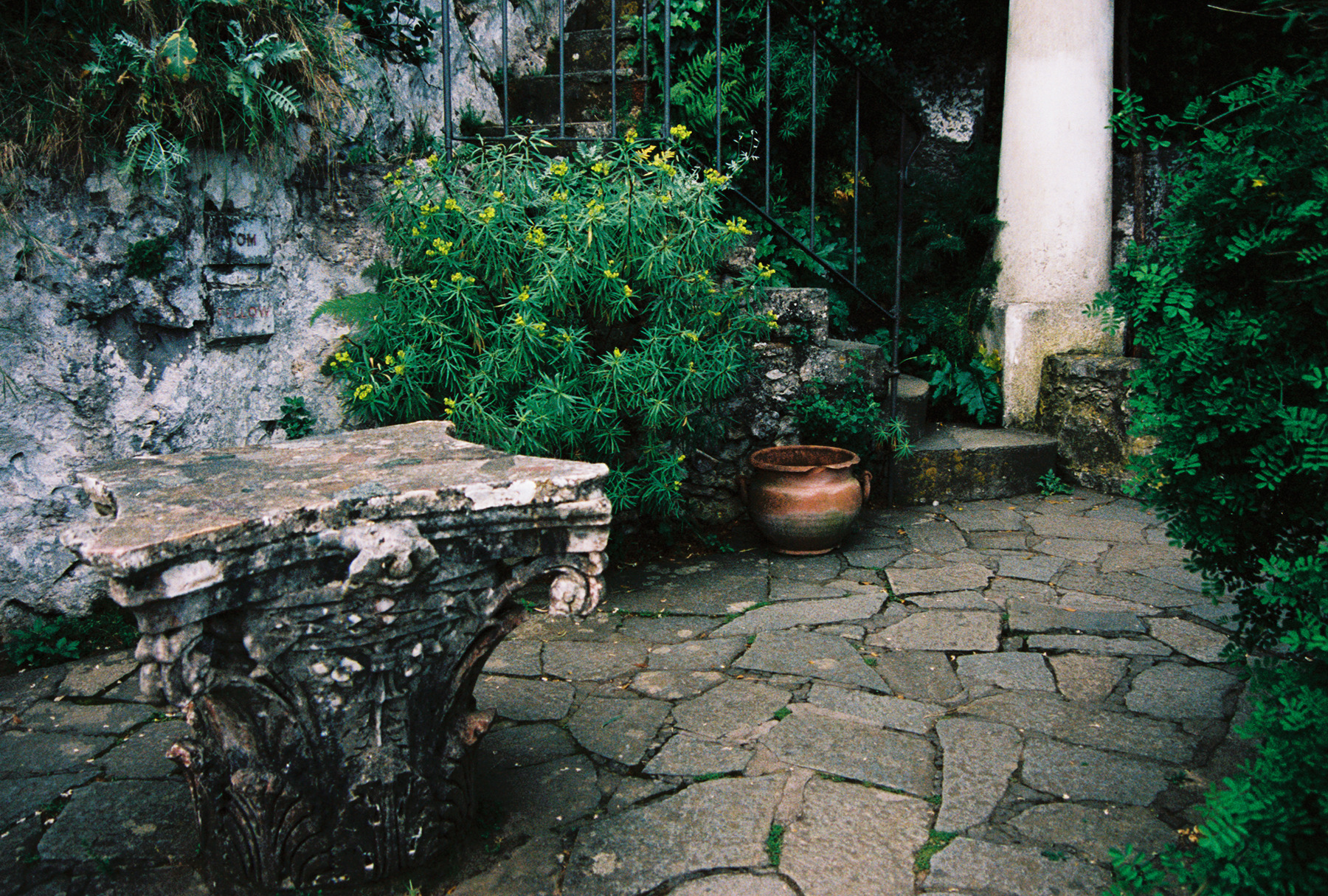
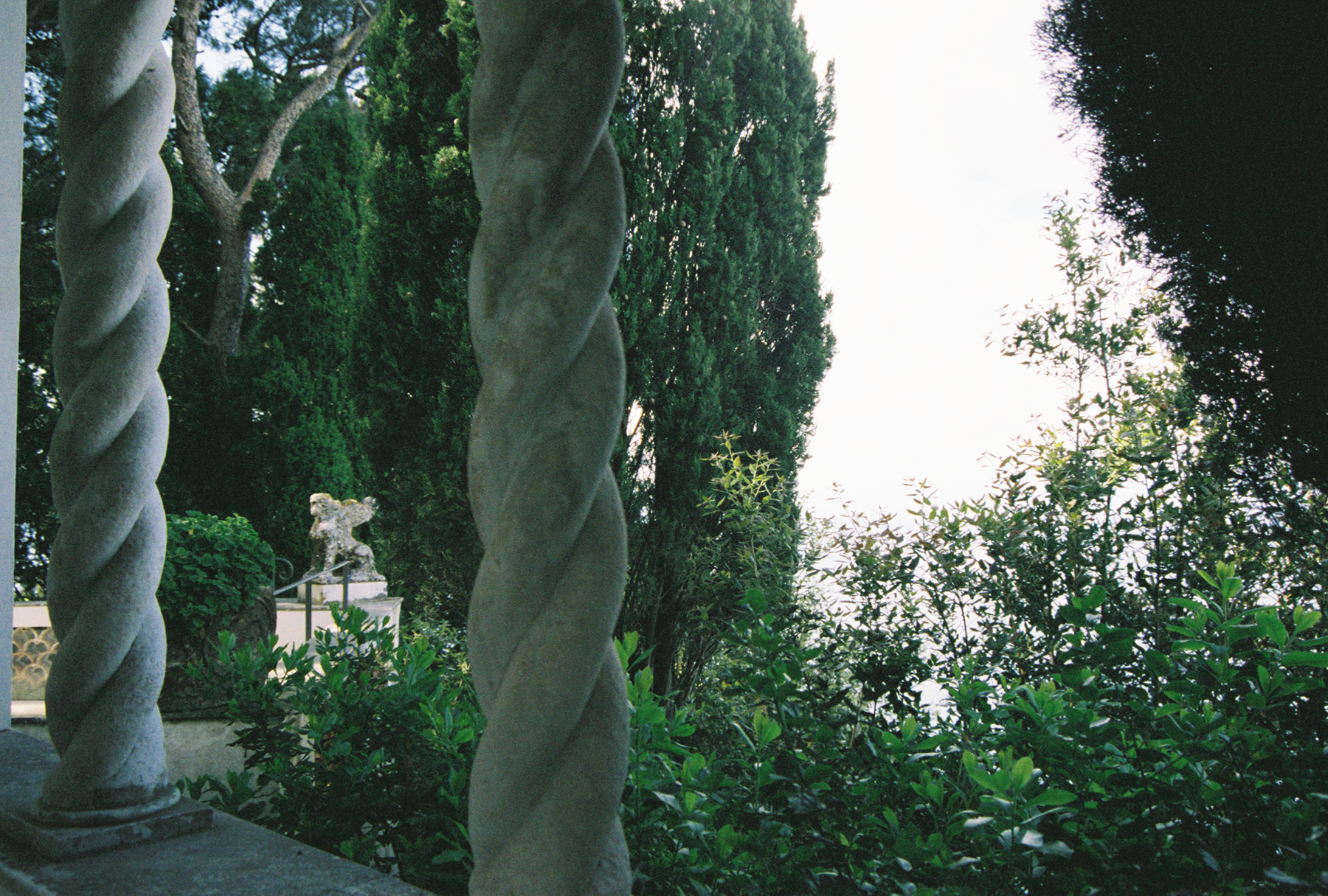
The bright and brash colors of the Spacconapoli neighborhood in Napoli, Italia (Naples, Italy) captured on velvia film slides, shot on one of my canon analog cameras.
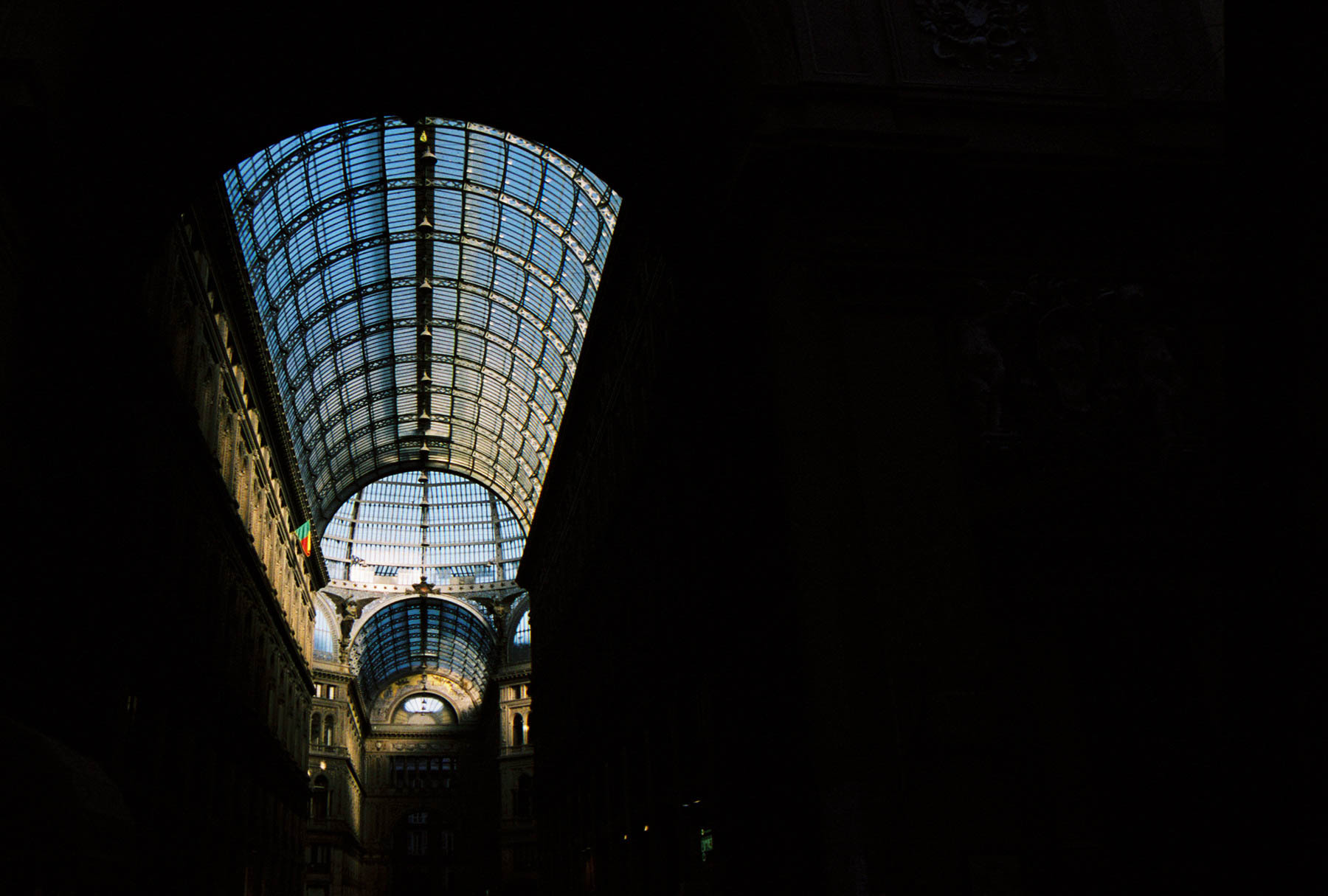
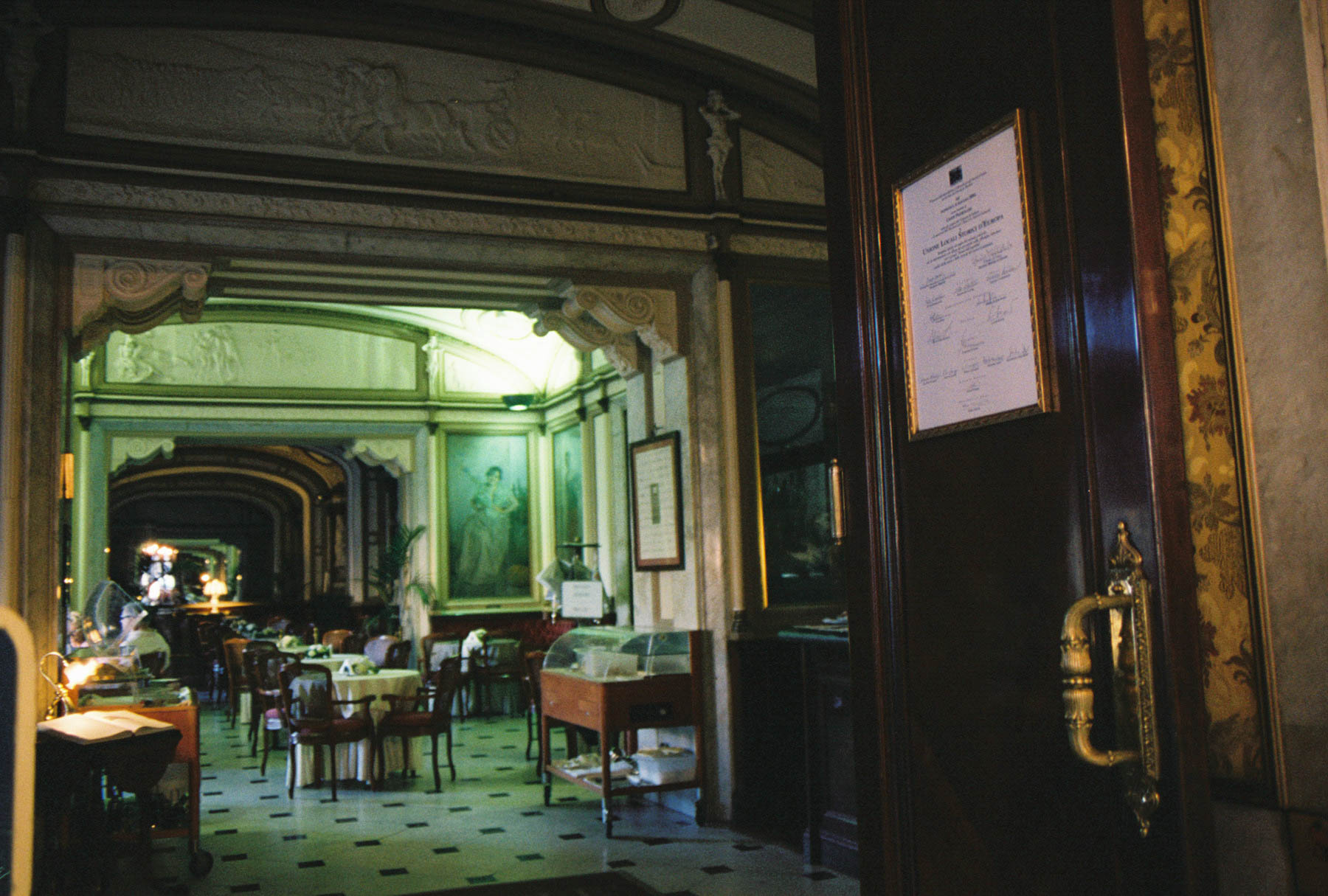
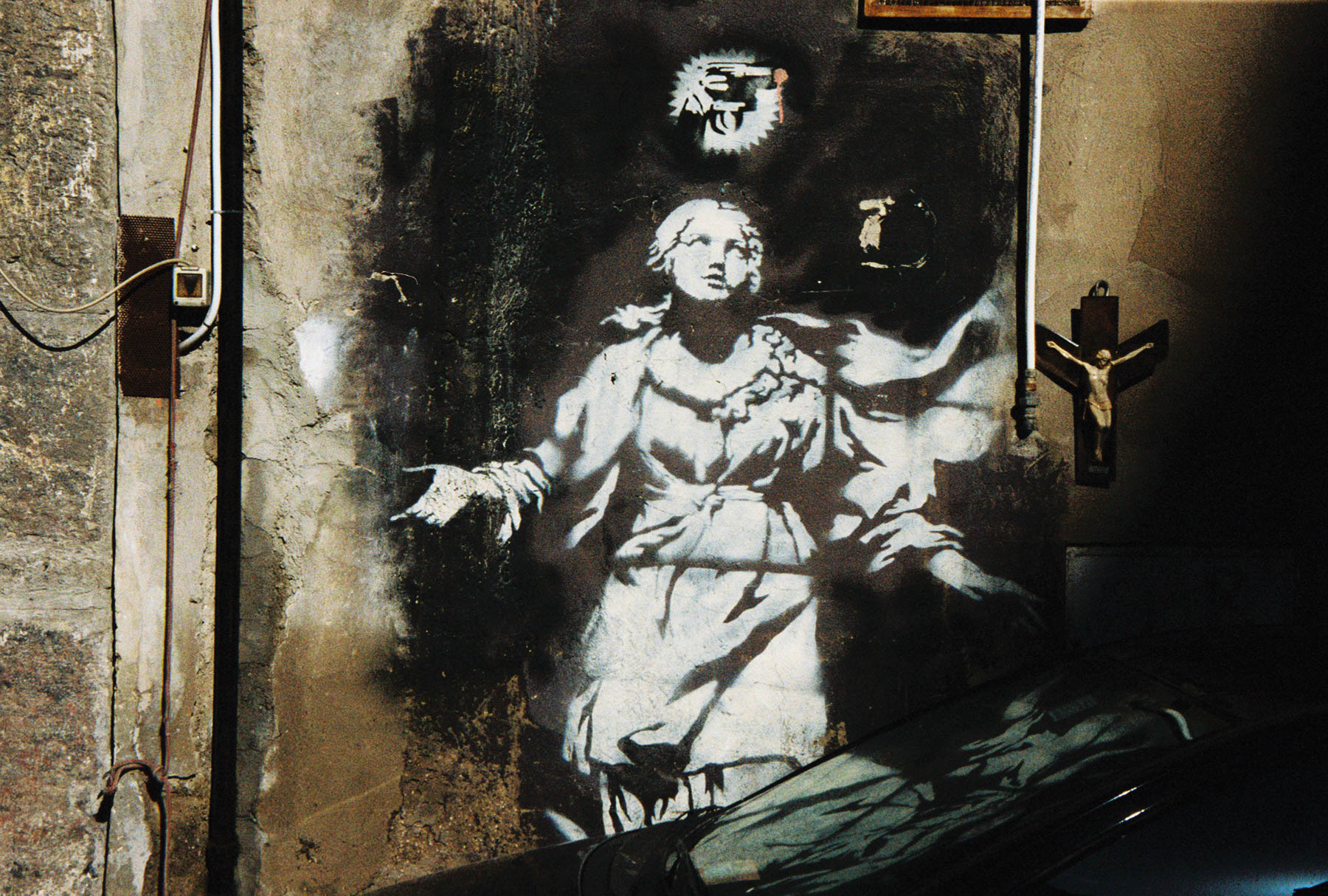
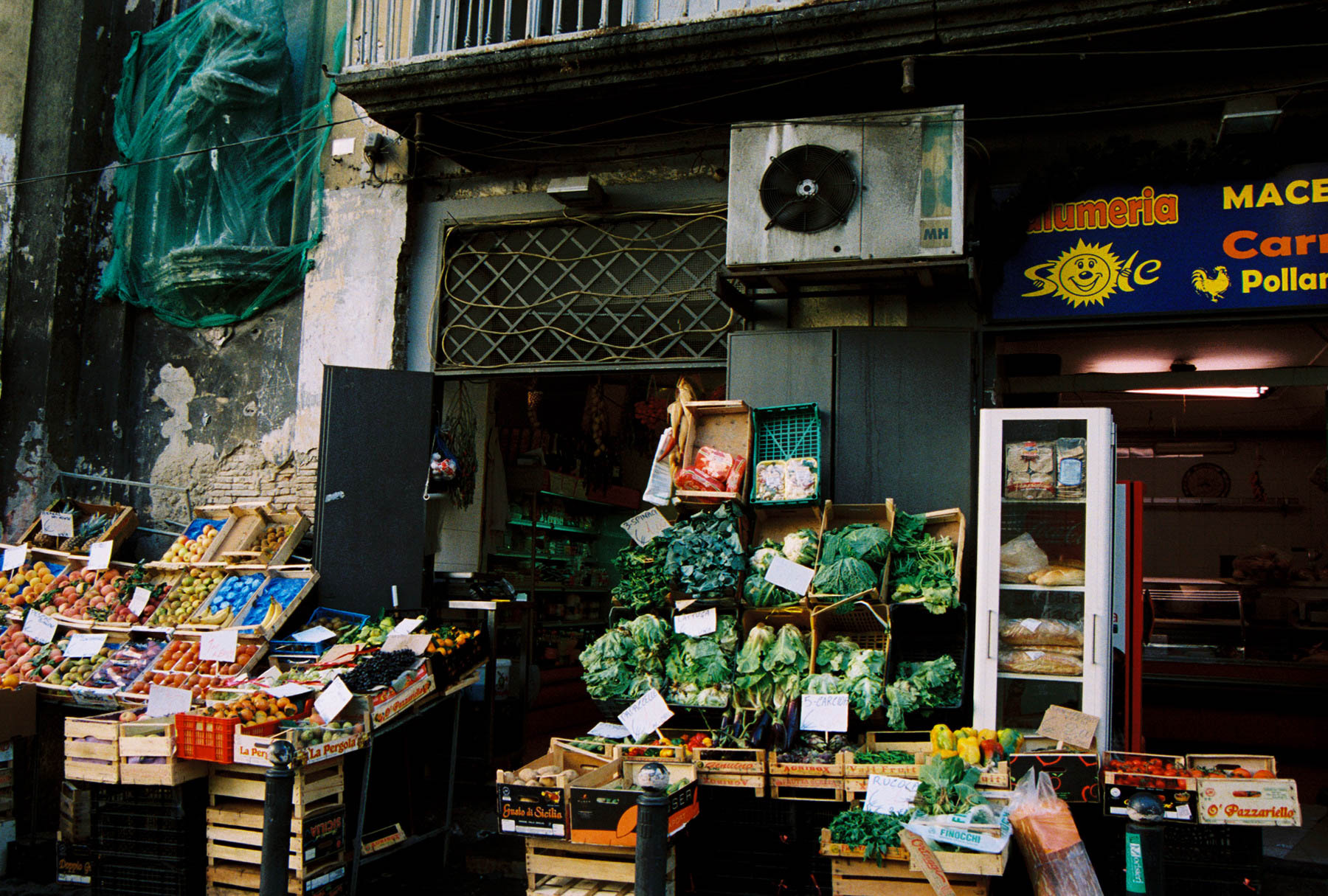
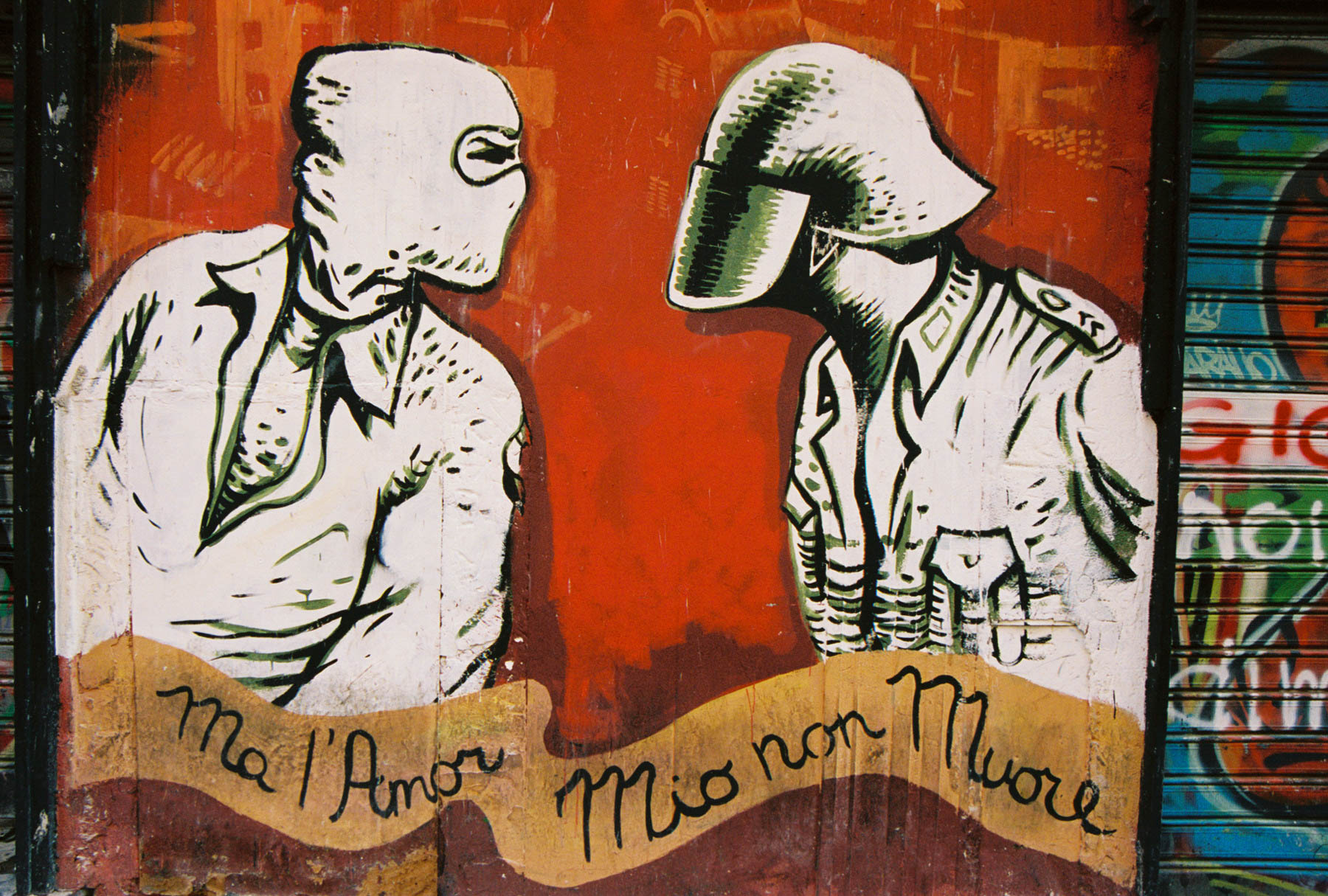
The sharp contrast of the elegance of Bourbon architecture and Neapolitan artistry against the slow modern decay of the last 80 years in grafitti and weathered edges of life highlights a city steeped in dichotomies.
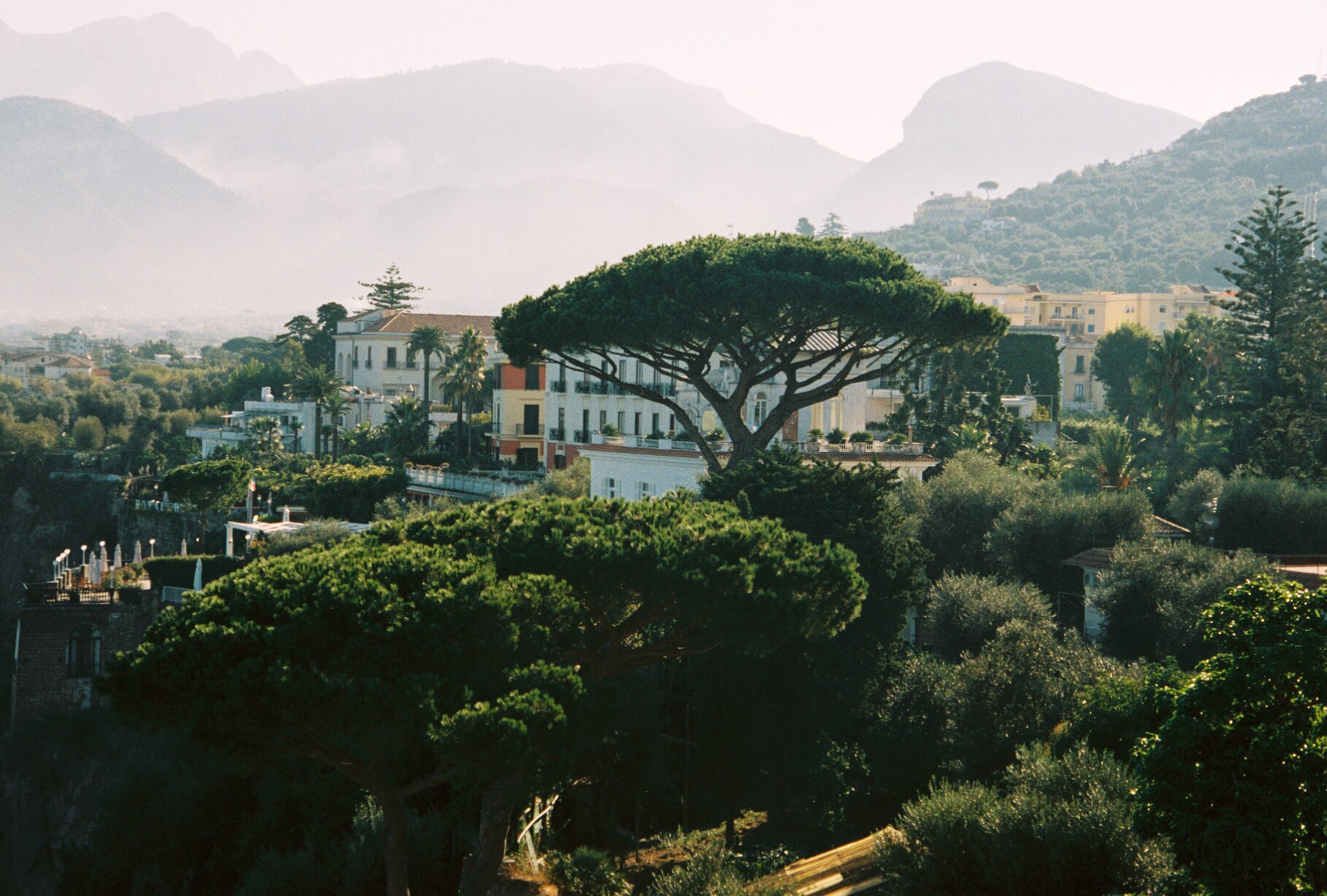
The Neapolitan soul remains seemingly intact however, divided between the threads of passionate art, beauty, the wild nature of the sea and Baroque gardens, and the soaring rocks and islands so utterly exquisite they are paradisos on earth… and in the looming apartments and close quarters of alleys making the piazzas the true heart of the local’s living room.
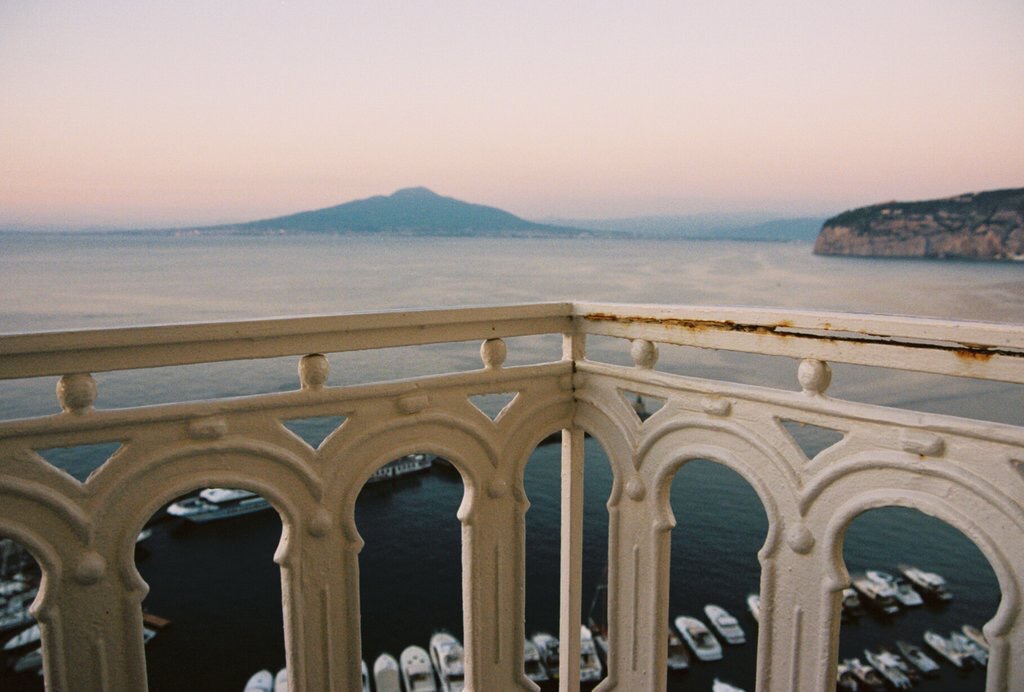
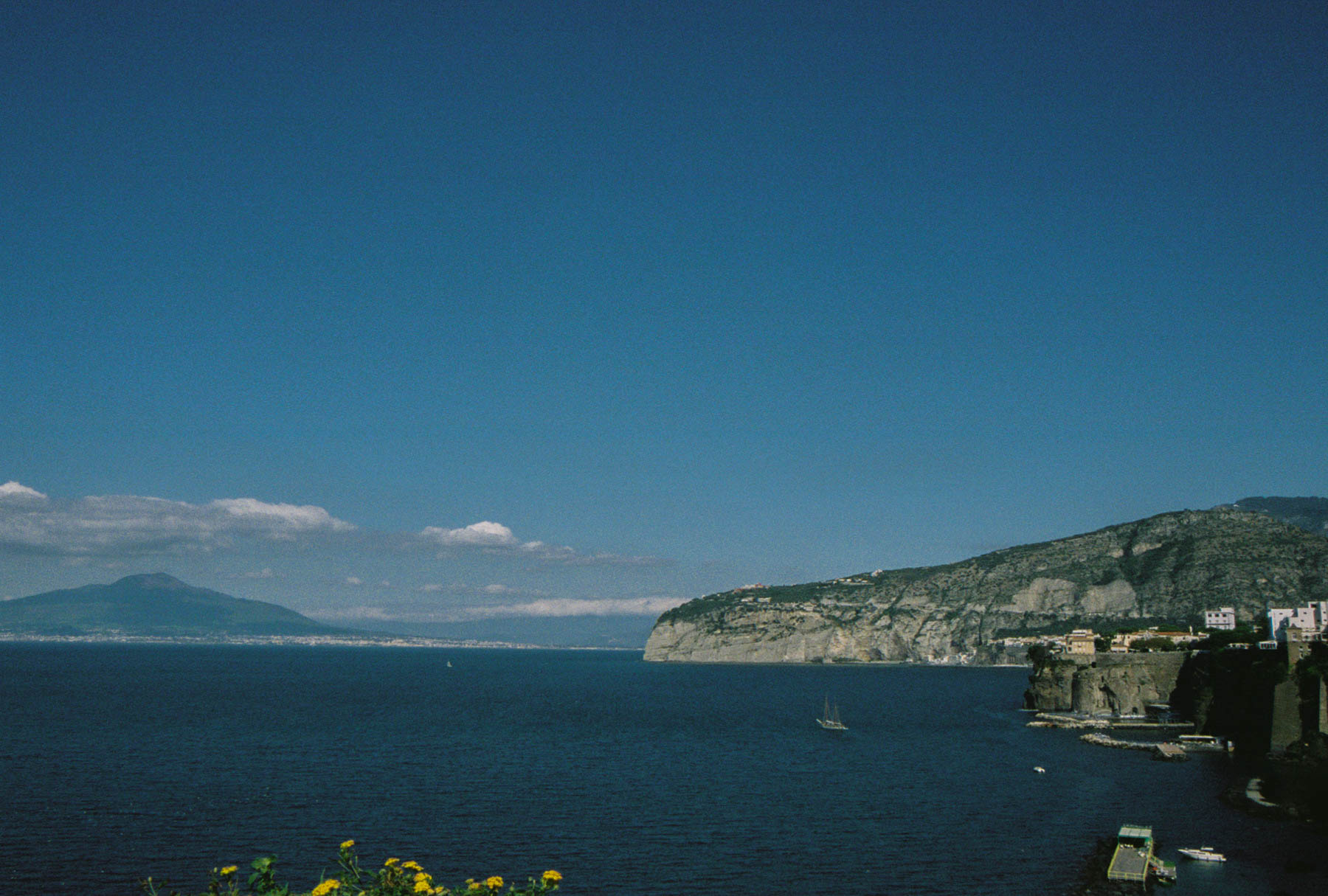
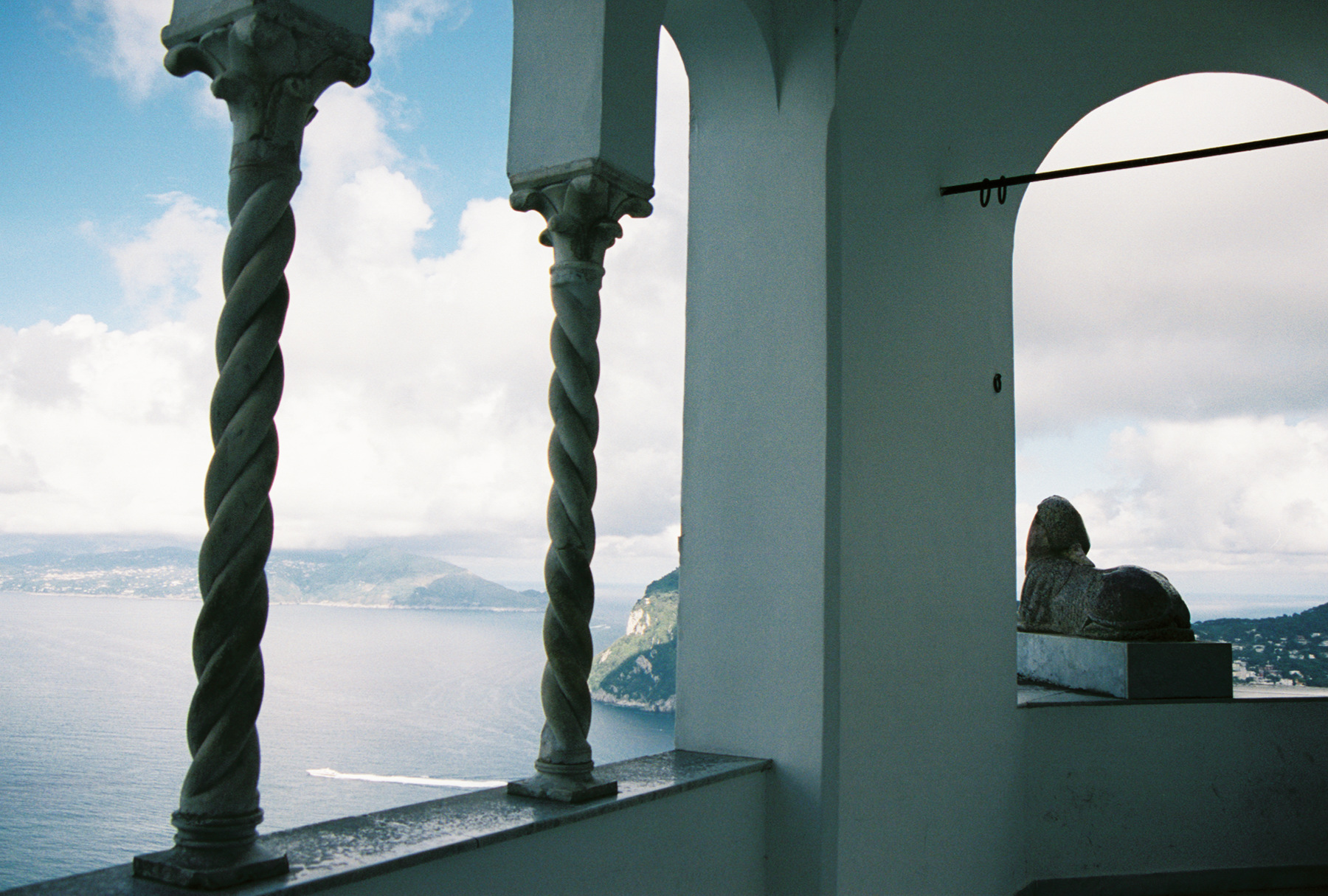
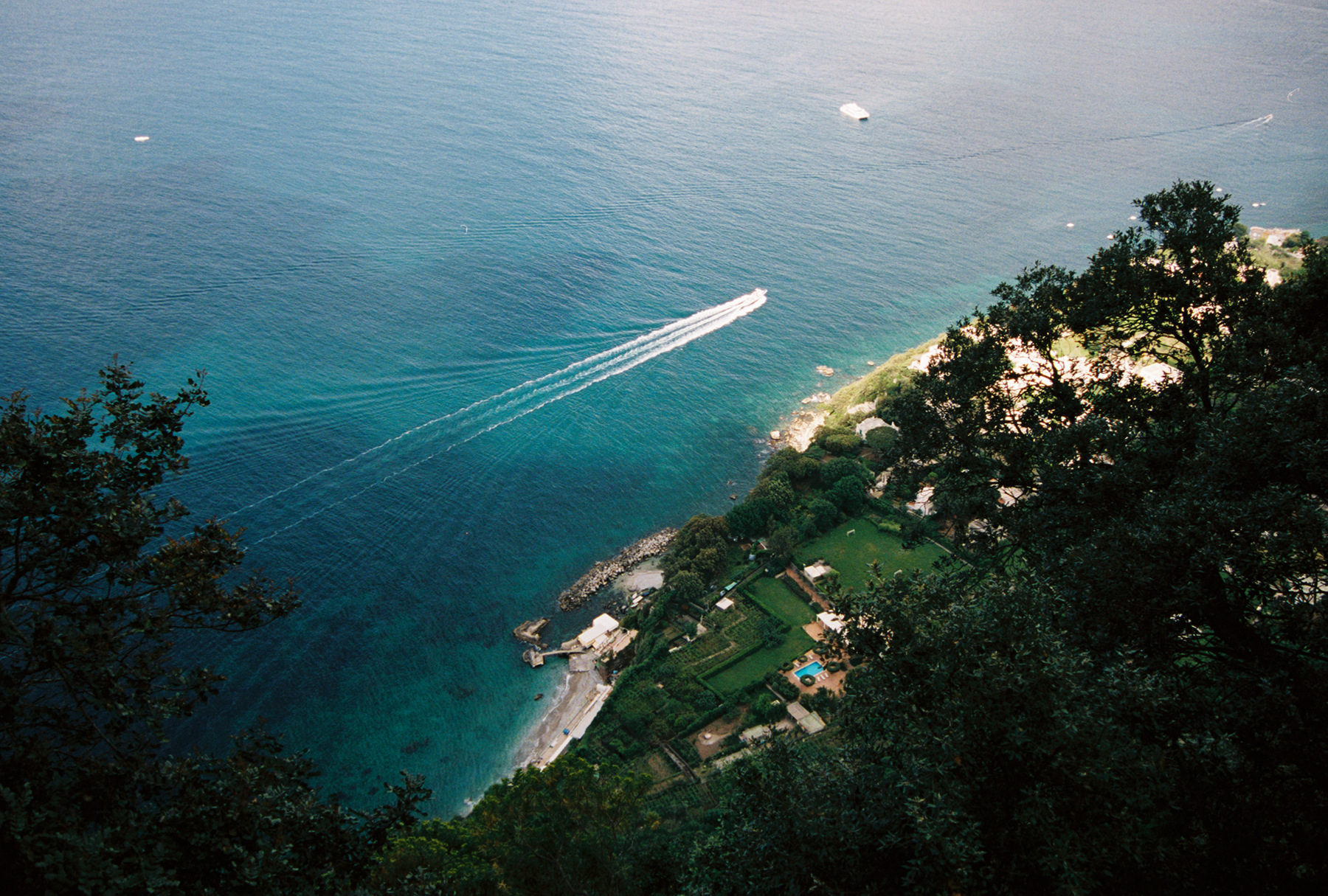
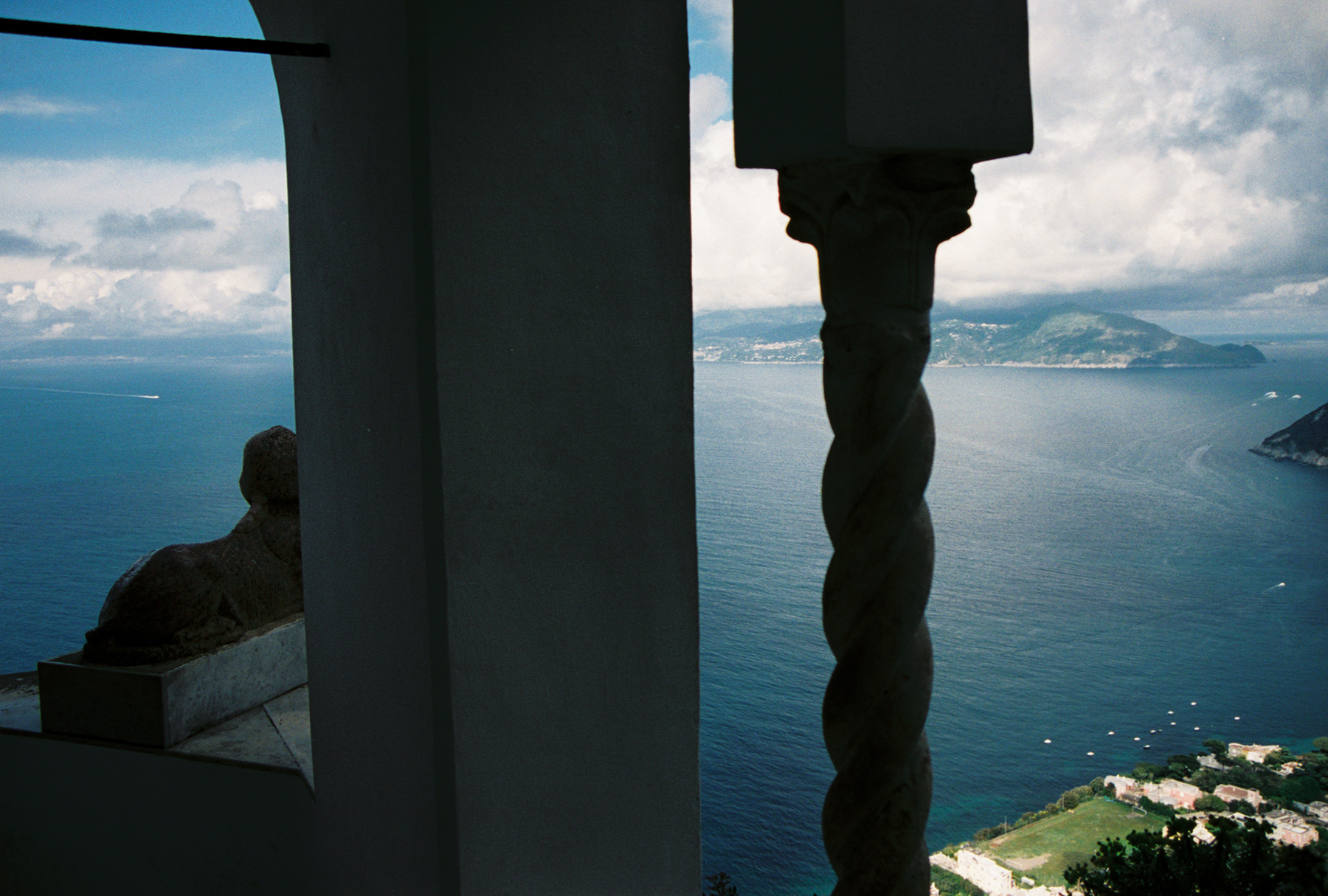
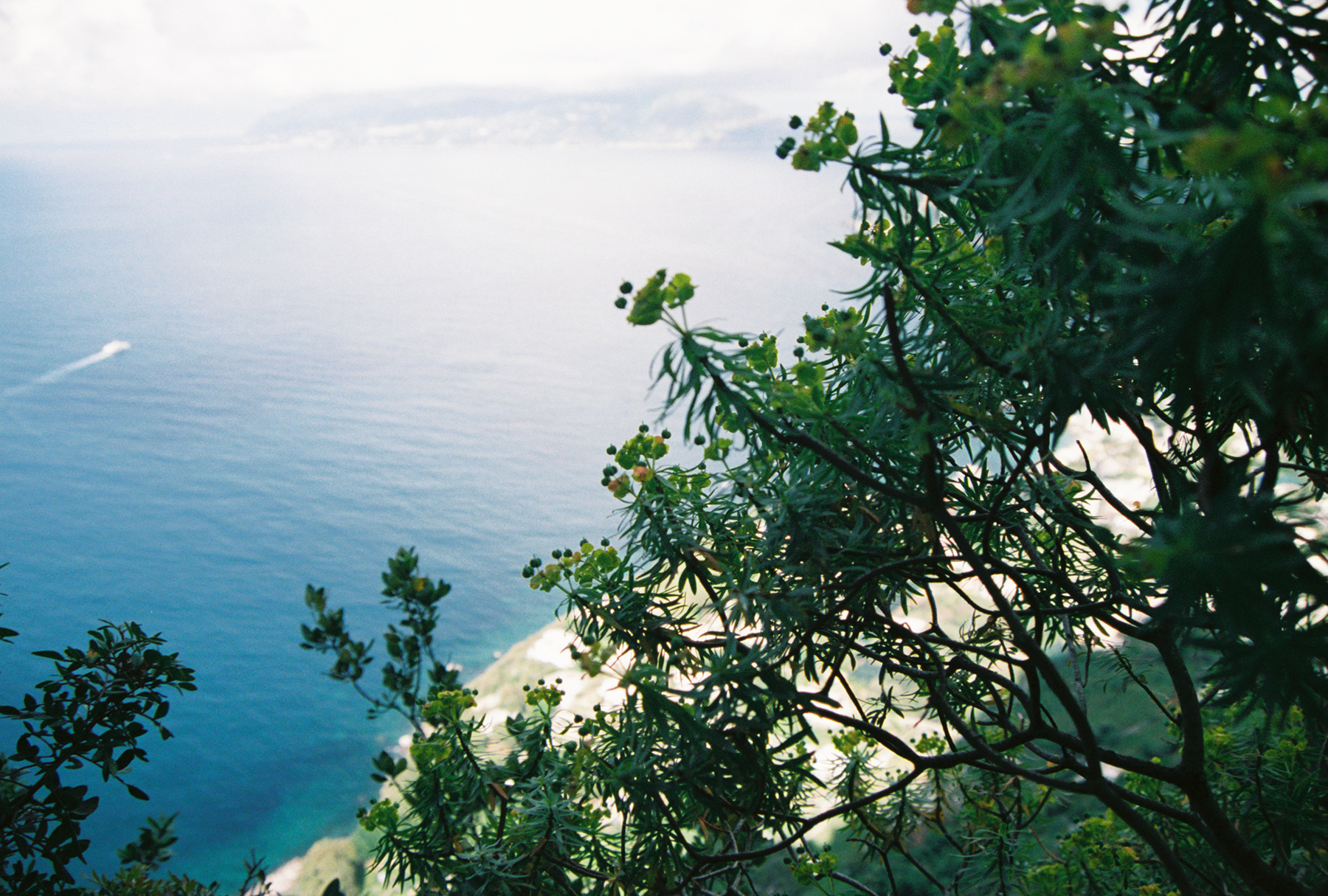
Travel on sea and breathe deeply in the clean bracing air as you wander miles of meadows and picaresque villages along the hiking trails of the Amalfi Coast, and the bejeweled isles of Capri, Ischia, and Procida. They are nature and ruin found in perfect harmony, timeless slices of heaven to be experienced best when in love with life.
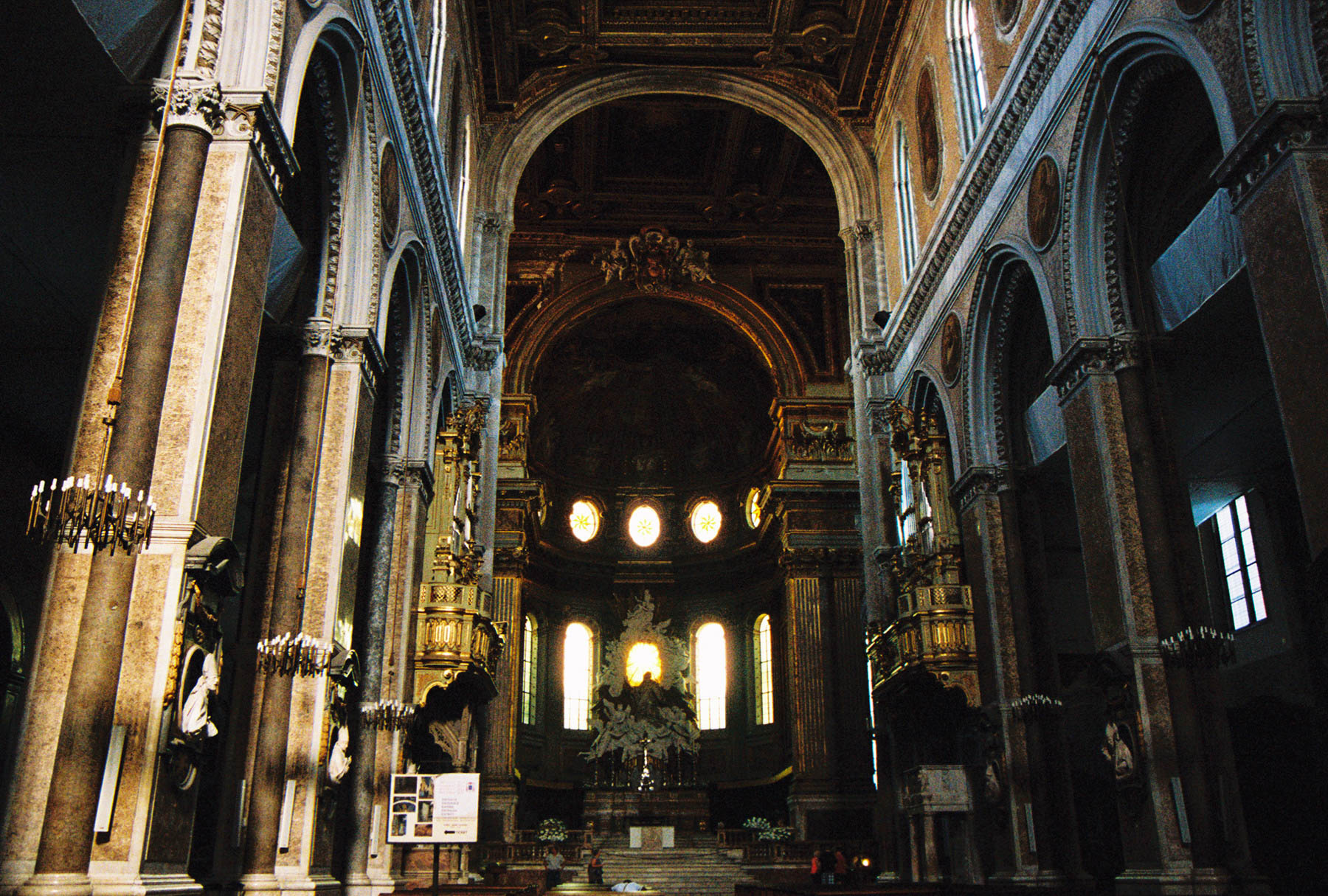
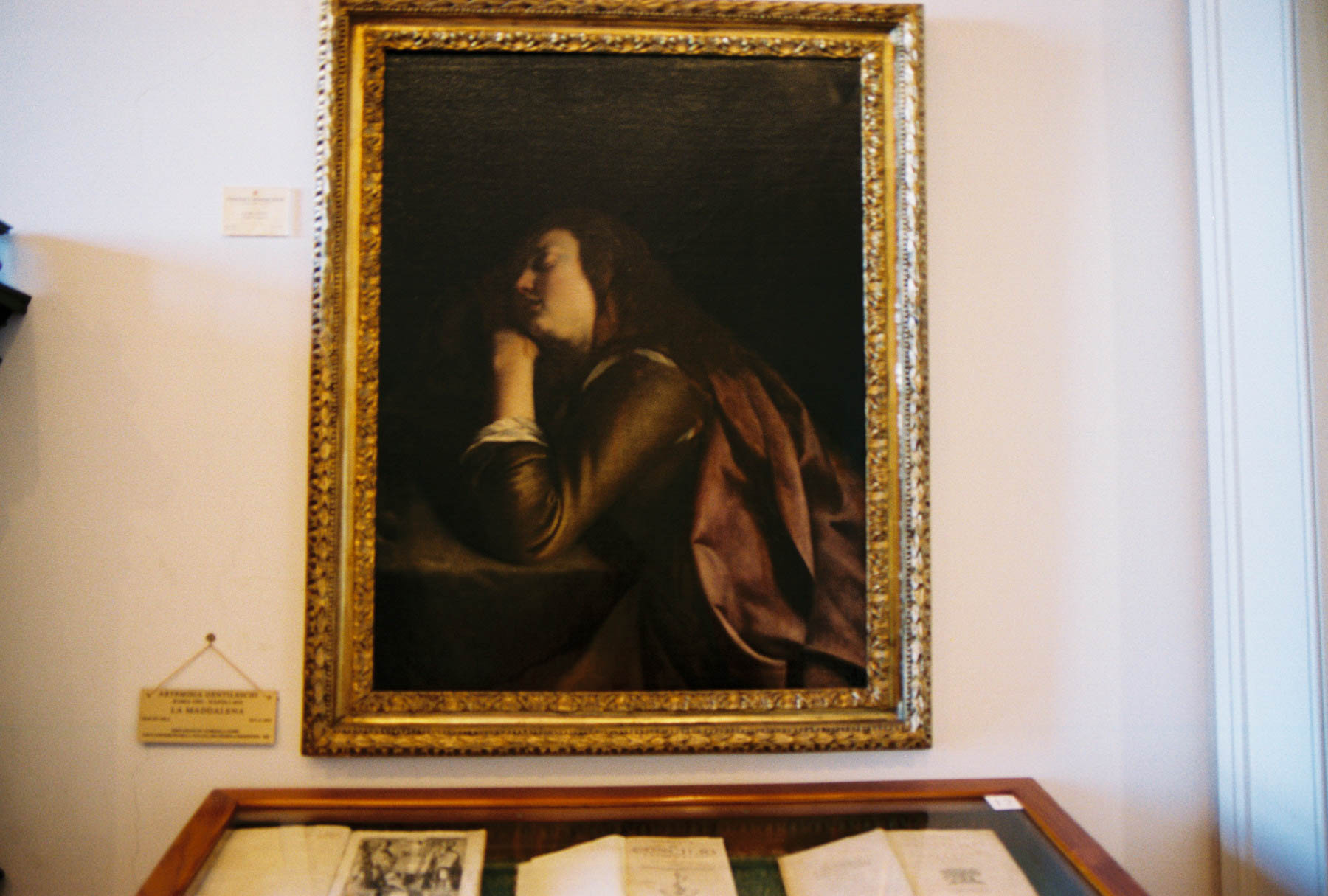
And back in Naples, even among the crush of pollution and population, with the stain of the Camorra, even in the heart of this ancient superstitious city with countless rulers over countless centuries one simply cannot ignore the fascinating elements of history and beauty bound eternally in the treasures of Roman Naples, of Pompeii and Herculaneum, of the ancient Emperor isles, of the Renaissance and Baroque art everywhere, still lingering, surviving, — conserved in the museums and palazzos of the Campania that will forever be worth exploring and studying.