art digest 02 / “A man is a god in ruins.” — Ralph Waldo Emerson
Squall - Andrew Wyeth, 20th century

Trodden Weed (1951) Andrew Wyeth

Stephen Seymour Thomas - The Violin Student

Parmigianino, Portrait of a Man with a Book. 1524, oil on canvas. Private collection.

Jan Van Huysum, Nature Morte avec des Fruits 1722

Mercury about to Behead Argus Ubaldo Gandolfi, c. 1770-1775

A Sleeping Legionary in a Helmet, Ubaldo Gandolfi

Sala degli imperatori, Galleria Borghese, Rome. Photographed by Max Hutzel, c.1960.

Jean-Baptiste Greuze (1725-1805) Study of a Young Man (c. 1760)


Jacques-Louis David (1748–1825) Patroclus 1780 oil on canvas

(Nordic Summer Evening) Sven Bergh Richard, ca. 1899/90


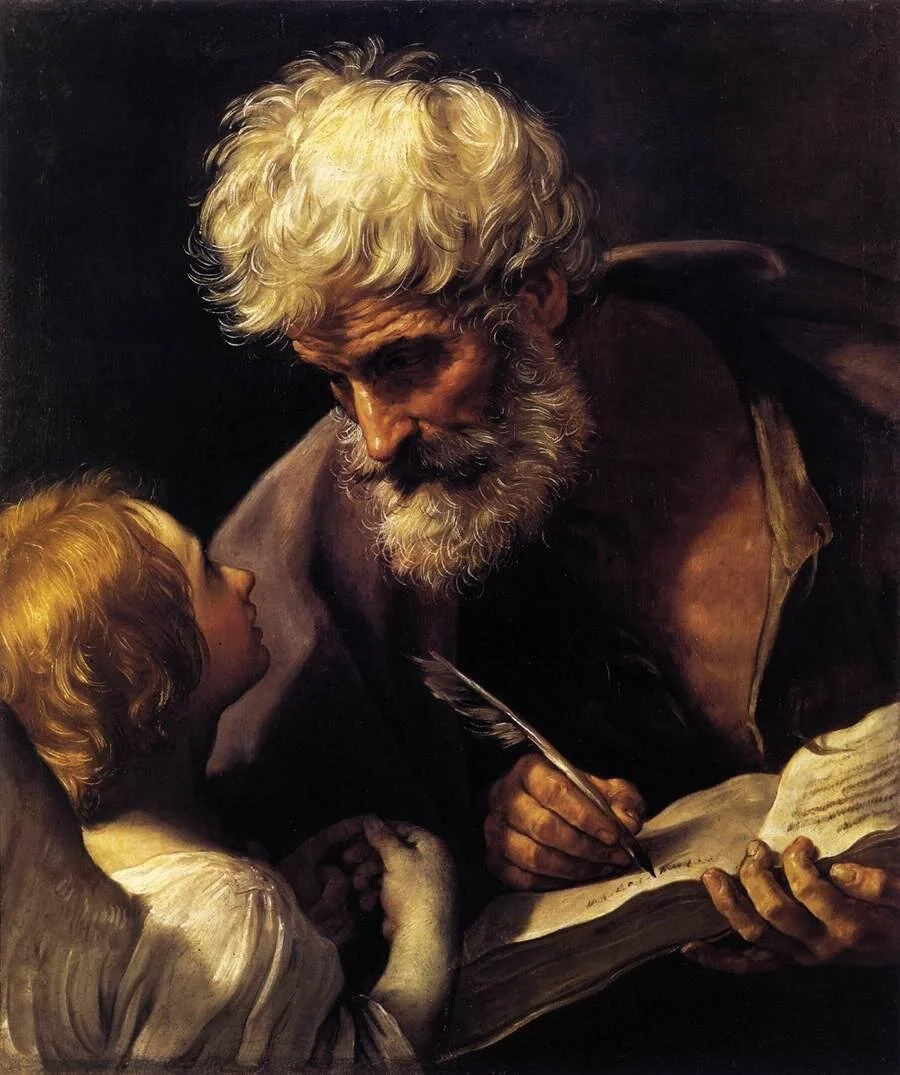
St. Matthew and the Angel by Guido Reni, 1635–40
Still Life with Goblet and Fruit by Jan Jansz. van de Velde (1656)

Vanitas Still-Life (1659-60). Pieter Claesz. (Dutch, c.1597-1661). Oil on canvas.

Vanitas Still Life with the Spinario, 1628, Pieter Claesz

Attributed to Valentin de Boulogne (1591-1623) A Young Shephard Circa 1620-1625

Portrait of a boy, Albert Anker

A Roman Marble Sarcophagus Relief Torso of a Young Warrior, Eastern Mediterranean, 1st half of the 3rd Century AD.

Caspar David Friedrich, Wanderer Above the Sea of Fog, 1818

Giorgio da Castelfranco (1478-1510) Double Portrait (attributed to Giorgione)

Frederic Leighton, 1st Baron Leighton

Andrew Wyeth (American, 1917-2009), Marriage, 1993. Tempera on panel prepared with gesso

Portrait of a man 1881 Léon-Augustin Lhermitte (1844-1925)

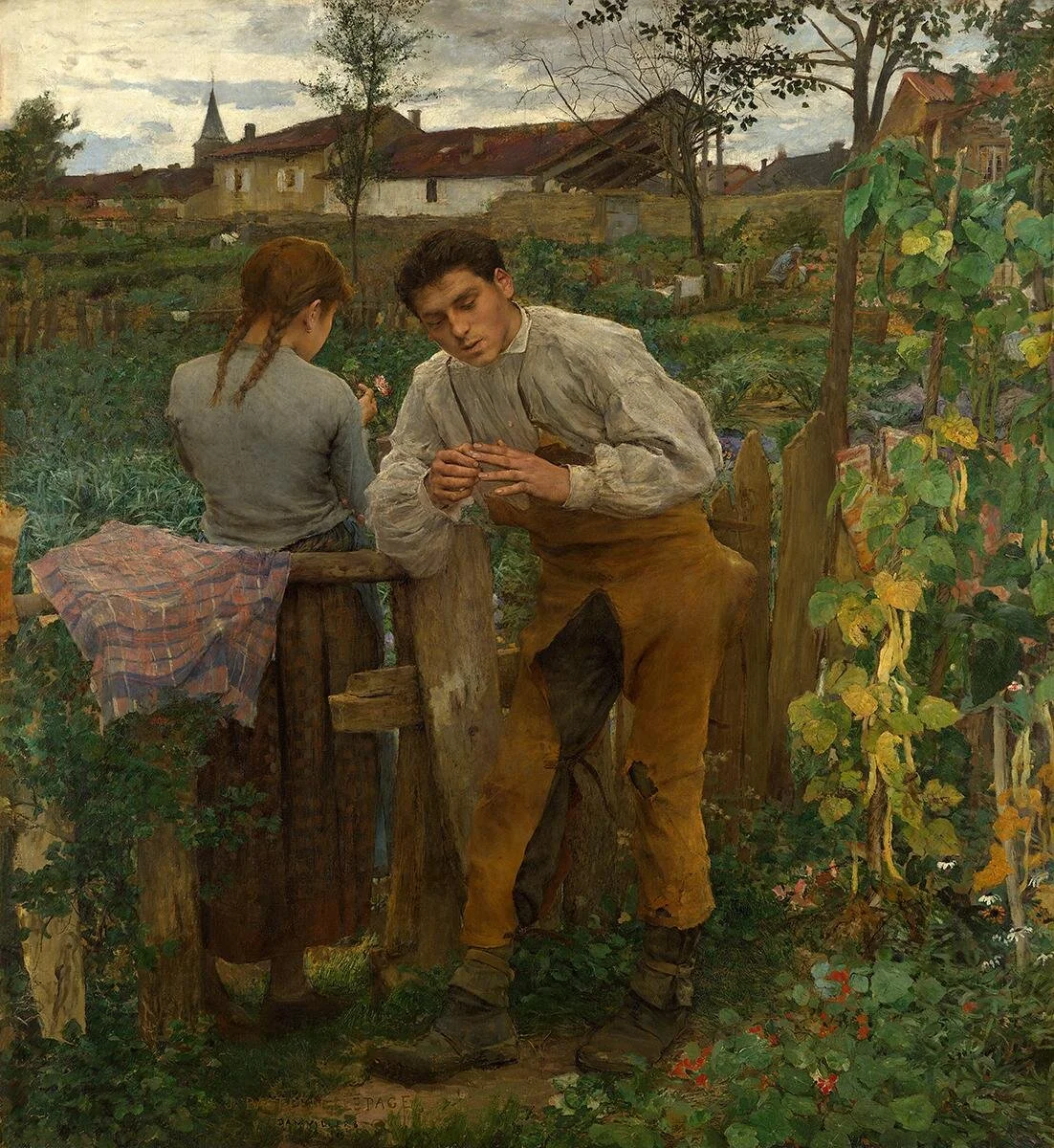
Jules Bastien-Lepage (1848-1884) The Village Lovers 1882
Emile Friant (1863-1932) Ombres portées 1891

Anne-Louis Girodet De Roussy-Trioson (1767-1824)
Alexandre Boucher (detail)
1819

Isidore Pils (1813-1875)
Two head studies
1840-1845

Christen Købke (1810-1848) Portrait of Frederik Sødring 1832

Charles-Marie Bouton (1781-1853) The Drawing Lesson 1826

Aelbert Cuyp (1620-1691) Portret van een jonge man (detail) ca. 1640-1660

Nicolaes van Helt Stockade (1614-1669) Portret van Georg Pfründt ca. 1640

Pietro Canonica (1869-1959)

The artist in his studio, Charles Willson Peale. 1822, Pennsylvania academy of fine arts.

Silenus cradling the infant Dionysus.
Roman copy of A.D. 1st-2nd century after a bronze Greek original of ca 300 B.C. presumably by Lysippos.
Medium: Marble

Mars Vigilant (Man in Armor Holding a Pike), Jan van Bijlert, ca. 1630


Bo Bartlett - The Box, 2002 Oil on Linen


Details, part II: “Arabesque” series, contemporary, by Daniel Abel.

Elliott Erwitt, Acropolis Museum, Athens, 1976

Male acephalic body Inspired by Greek statues. Marble. Roman period. after J. C.

Head of Jupiter. 1st.century AD. Roman. bronze.

Luis Veldrof, aposentador mayor y conserje del Real Palacio - portrait by Vicente López y Portaña, 1823 detail

A Vanitas Still Life with an Hourglass, a Skull, a Violin, a Snuffed Candle, Coins, Books, Musical Scores, Cards, a Sword, a Helmet and a Woolen Cloth on a Table draped with a Persian Carpet, North Italian School, second half of the 17th Century

The Open Window, Carl Vilhelm Holsøe

Still Life with a Lute and a Guitar, Nicolas-Henry Jeaurat de Bertry


art digest 01 / Proserpine, Sea Nymph, Mars & Venus, oh my
daily art digests. goddesses, flowers, mythos.
The Abduction of Proserpine (detail) by Alessandro Allori, 1570.

A Sea Nymph, 1842, Thomas Sully

Lady Hamilton as a Bacchante’ by Élisabeth Louise Vigée Le Brun.

Princess Evdokia Ivanovna Golitsyna as Flora (1799). Marie Louise Elisabeth Vigee-Lebrun (French, 1755-1842). Oil on canvas. Utah Museum of Fine Arts:
In this mythological portrait, the sitter is shown in the guise of Flora, Roman goddess of flowers and spring. The billowing of her sheer drapery indicates the assistance of Zephyr, the wind god, in her transformation from a nymph to a goddess. In a demonstration of poise, the woman balances a basket of blooms on her head, recalling classical columnar sculptures called caryatids. The Italian-inspired landscape, complete with temple, underscores the ancient domain of the goddess.

Mars and Venus, Allegory of Peace (detail) by Louis Jean François Lagrenée, 1770.

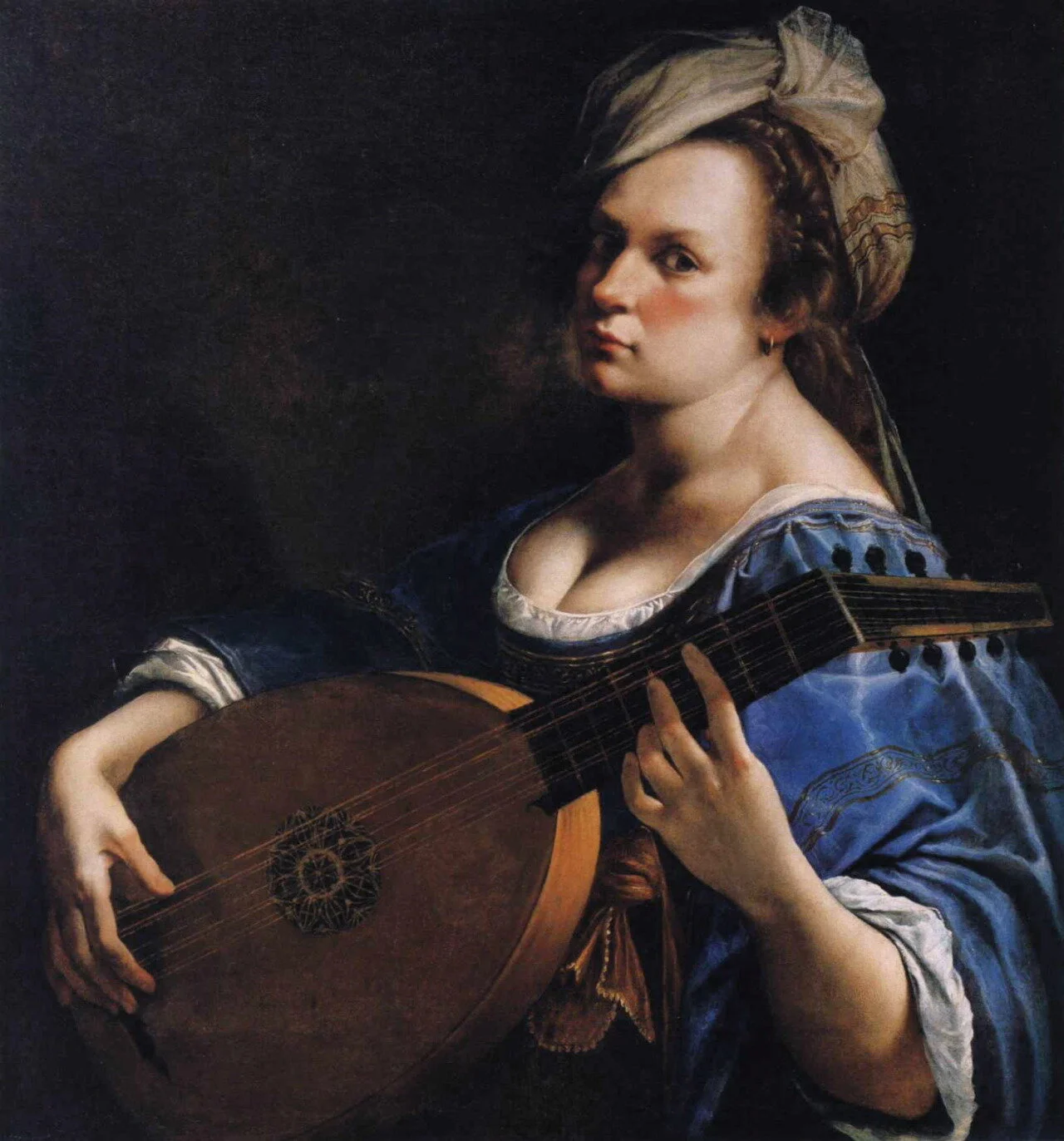
Artemisia Gentileschi, Self Portrait as a Lute Playe
Vasily Andreevich Tropinin - Girl with roses, (1850).

Albrecht Durer c. 1512 Wing of a Roller

Tritoness Relief Applique, late 2nd Century BC, Cleveland Museum of Art: Greek and Roman Art. Bronze with copper inlays.

“I love my life’s dark hours in which my senses quicken and grow deep, while, as from faint incense of faded flowers or letters old, I magically steep myself in days gone by: again I give myself unto the past:—again I live.” — Rainer Maria Rilke, from The Book of Hours; The Book of A Monk’s Life.