Chandeliers in Roman Churches, and on being and nothingness amid the Byzantine
In Rome there are so many beautiful churches that the ones that stand out are beyond magnificent. These gems of architecture were built upon layers of history, starting from the ruins of pagan temples thousands of years ago, with places of worship erected piece by piece like a mosaic throughout the first whispers of a Christian Rome through the middle ages to the Renaissance.


The Santa Maria in Ara coeli is on the Capitoline Hill with a foreboding, plain edifice hiding treasures of lights, stonework, faded marble, pillars from various eras, countless sarcophagi and dazzling chandeliers.
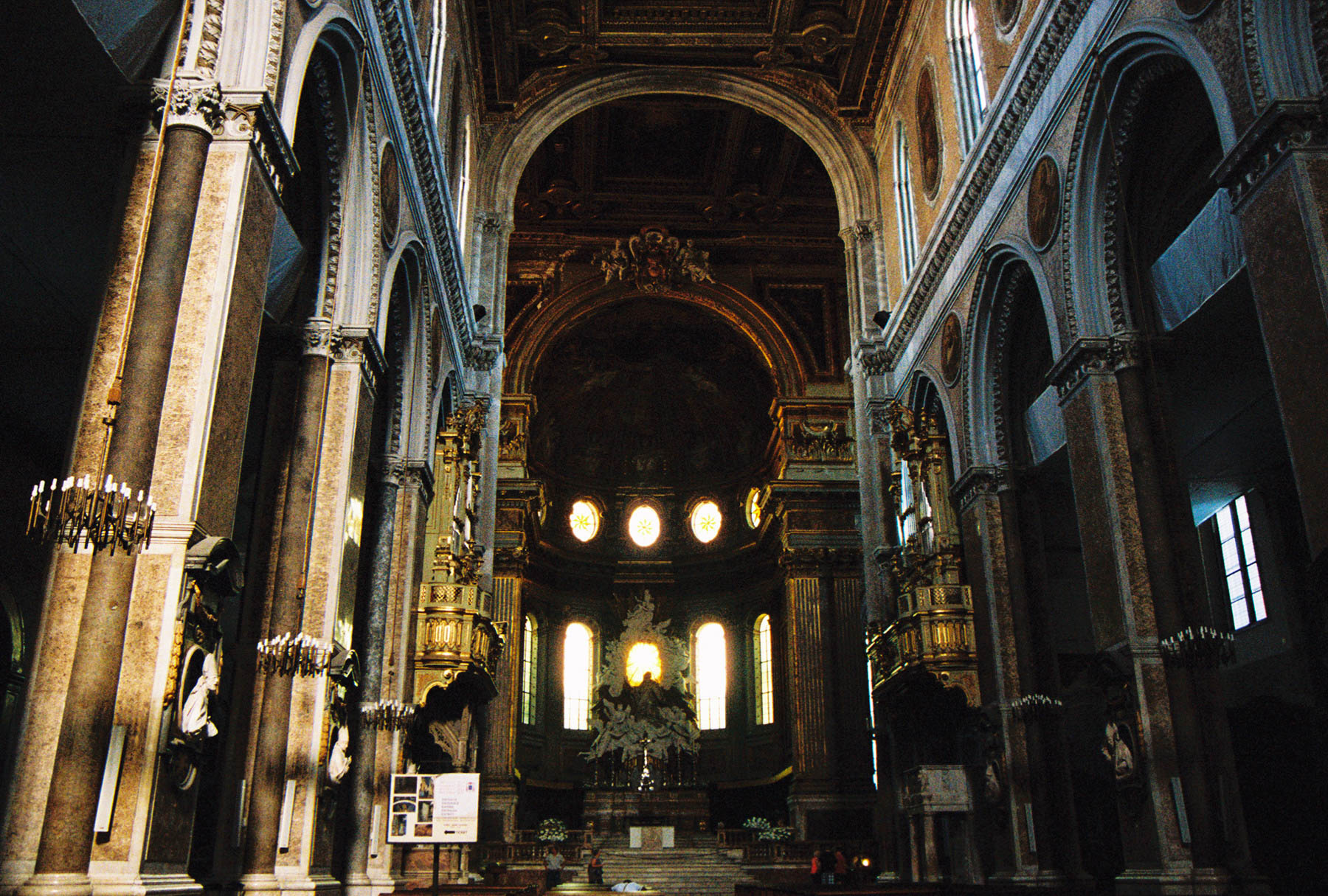
The Santi Giovanni e Paolo is built on the ruins of the Roman saints John and Paul’s houses… and their remains, martyred in the 4th century. It boasts Byzantine flourishes, a coffered ceiling, gorgeous frescoes and a hushed, ancient stillness that hangs in the air. It was the first church to be built in Rome and has seen many facelifts and stylistic touches over a millennia.

Pillars from different centuries in Santa Maria in Ara coeli.
Coffered ceiling and ornate interior in Santi Giovanni e Paolo.

The imposing, numerous chandeliers of the Basilica of St. Mary of the Altar of Heaven, Basilica di Santa Maria in Ara coeli al Campidoglio.
Bright frescoes and peeling paint over faded stone and wood in Santi Giovanni e Paolo. The chandeliers appear even more elegant against a faded backdrop.
These chandelier churches are particularly breathtaking in person. They remind me of the somber prayers and cries heard in these walls over centuries of visiting pilgrims and faithful Romans alike. The splendor of the chandeliers and the art-work only add to the sense of contemplation I feel wash over me whenever I enter their doors. I am an outsider on the one hand and a strange, foreign, watered-down modernized product of Christian thought on the other, by my very life in the western world. In America. Because of my Catholic and Protestant émigré forbears, mostly, I suppose. As the daughter of lapsed catholics, I was not raised with church or with any religion, but with the talk of God, and conversely, the discussion of “no god” growing up.
There were stories of gods and theories of prime movers or nature or the impersonal universe as the sources of mankind. There was the appeal of ens causa sui, ‘being one’s own cause’. There was also the fear of that idea. So many ideas whirled around me in the conversations of adults. Mostly in countless old books I read, or watched in old existential 1950s - 1970s movies. Nothing was ever formed, nothing was concrete. Life was fluid. Beliefs were temporary lapses of judgement. The mystery of the unknown barred an anchor, yet my openness to all possibilities was also a kind of freedom. I resent this uncertainty some times. Especially after dealing with death and restarting my life in the middle of my existence (if I live another 40 years, anyway). Sometimes I appreciate my openness.
What a delicate balance in life we all lead. I still don’t know the answer to any of these big questions, or the Big Question, but I feel a subtle change, a quiet shift take over within me, in the quiet corners of Rome. In the buildings made of stone and marble, under the statues and paintings. When I enter into the symbolism of the stories, when I breathe in the heavy air of history, something fills my imagination whilst I am there and it’s hard to move away from it. It never really leaves me.
Old chapel or cathedral, broken temple, an all but vanished sacra, an altar of astronomy and science or art – they are all my churches.

The Splendor of Napoli and the Isles of the Emperors
the splendor of napoli and the isles of the emperors
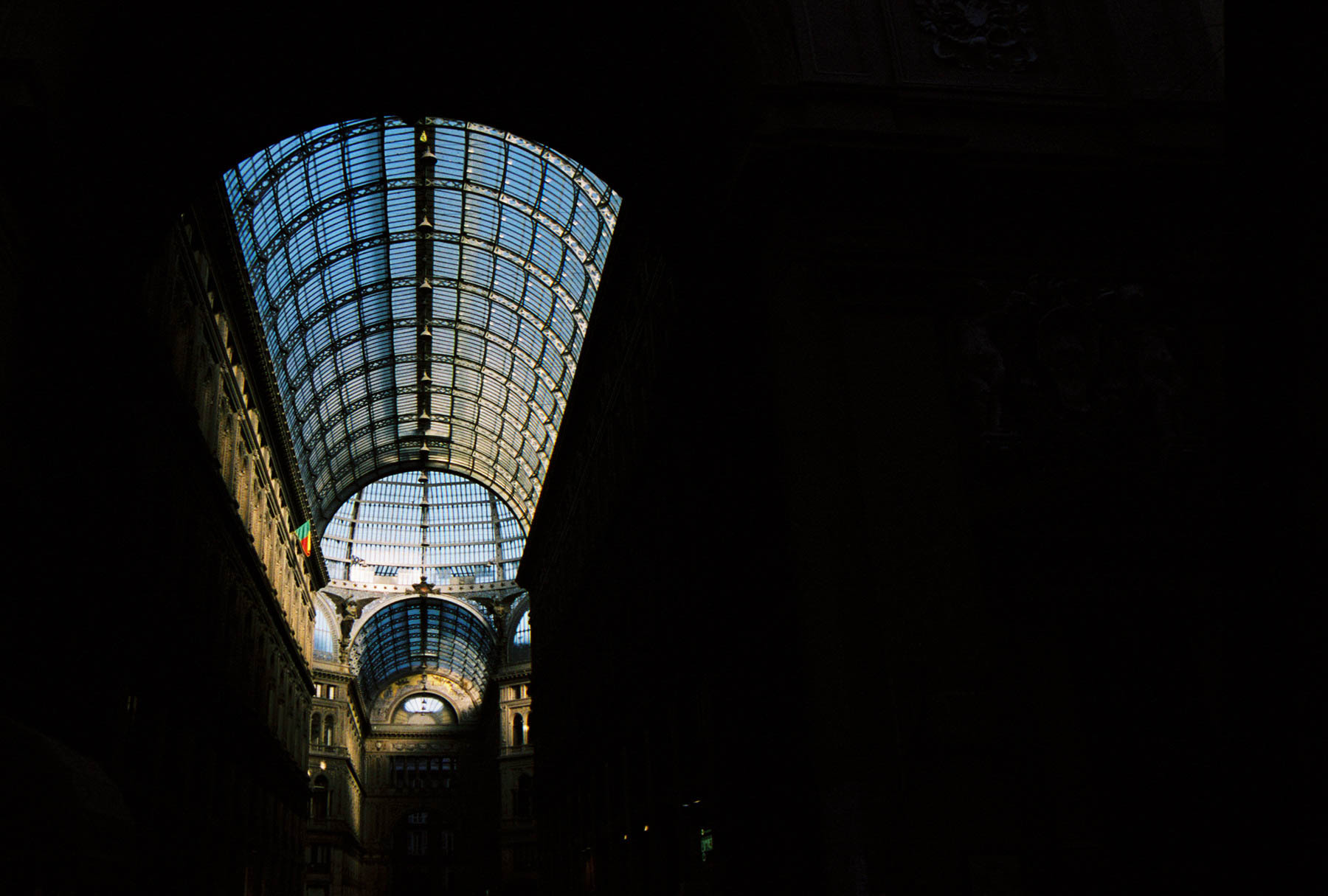
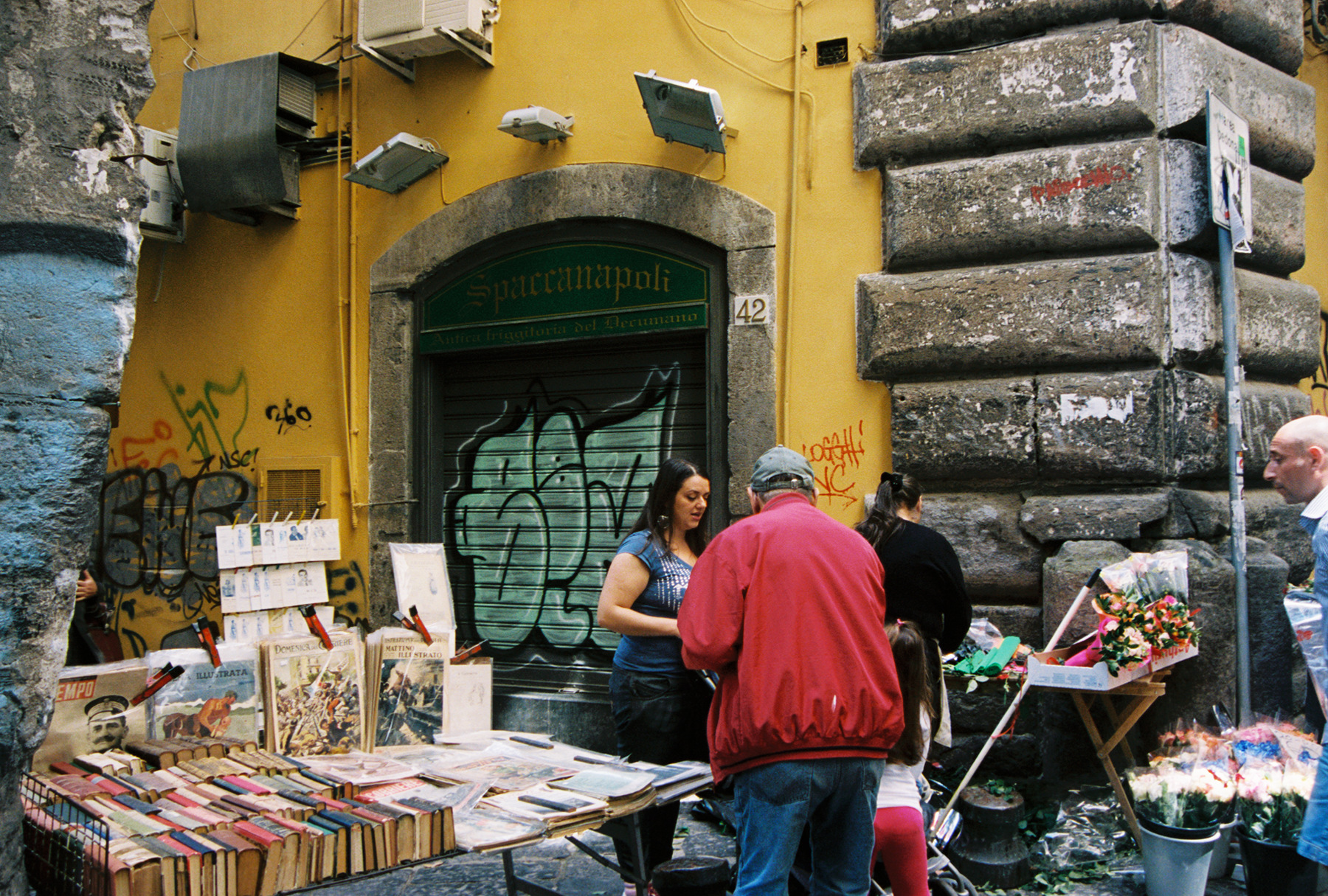
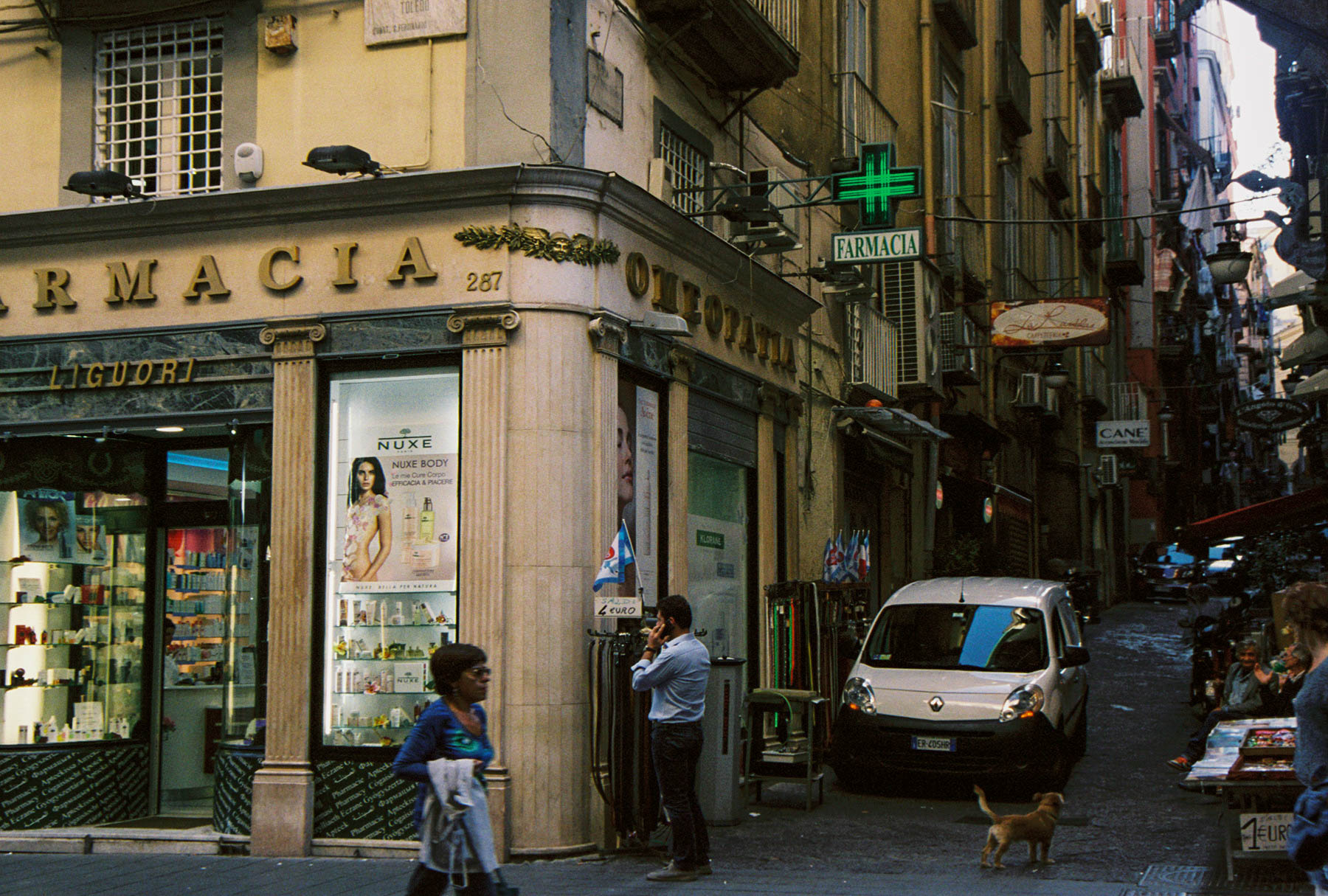
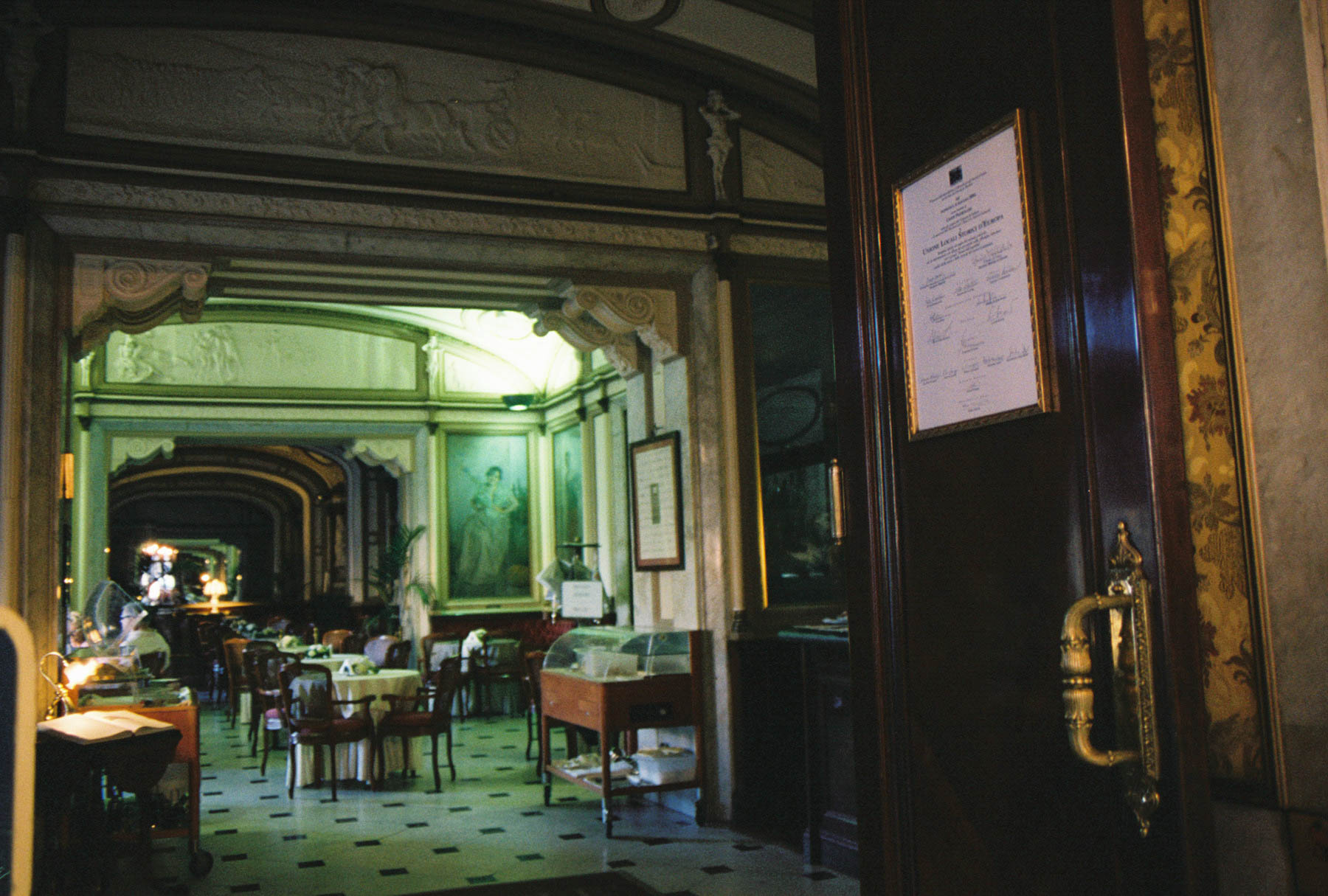
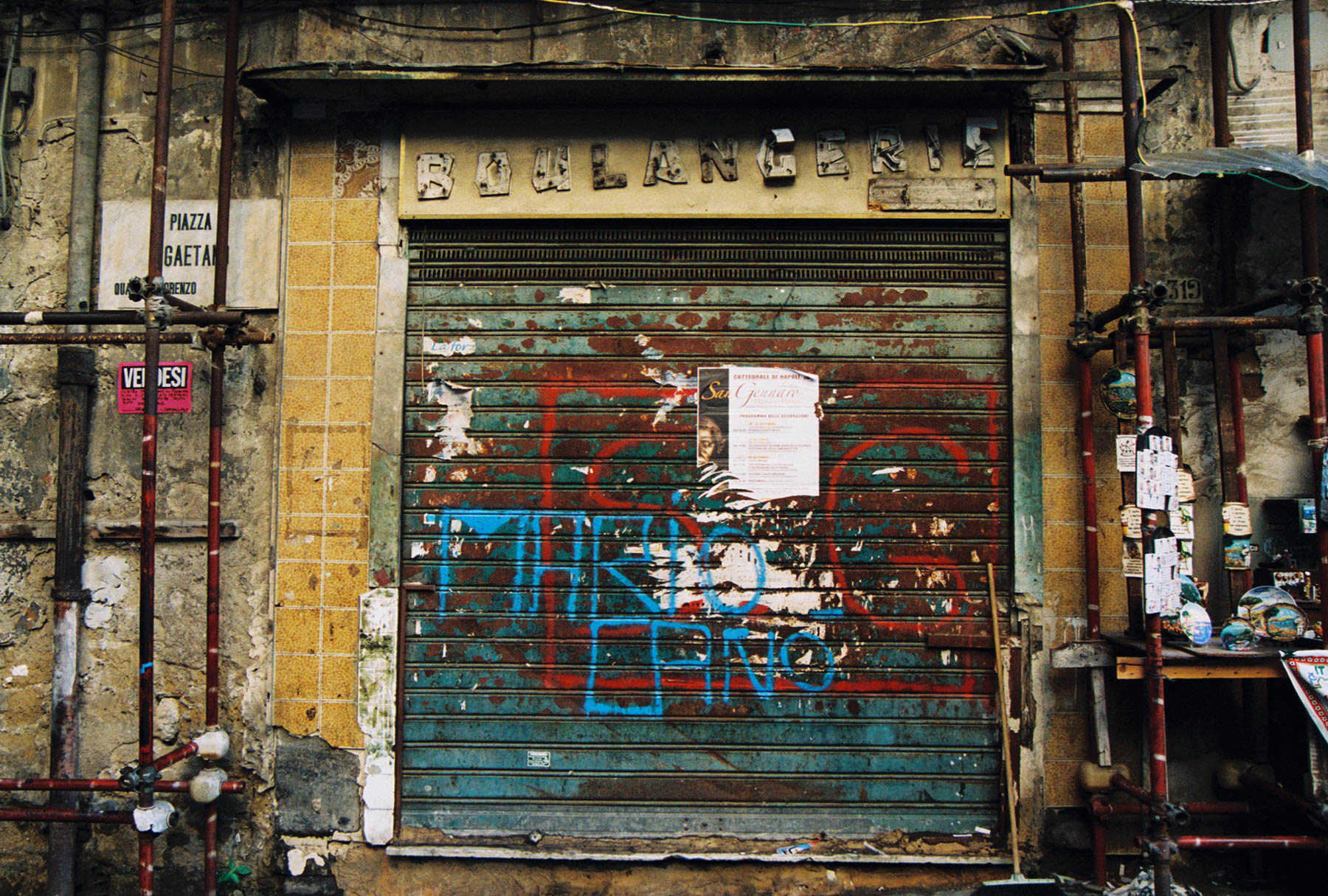
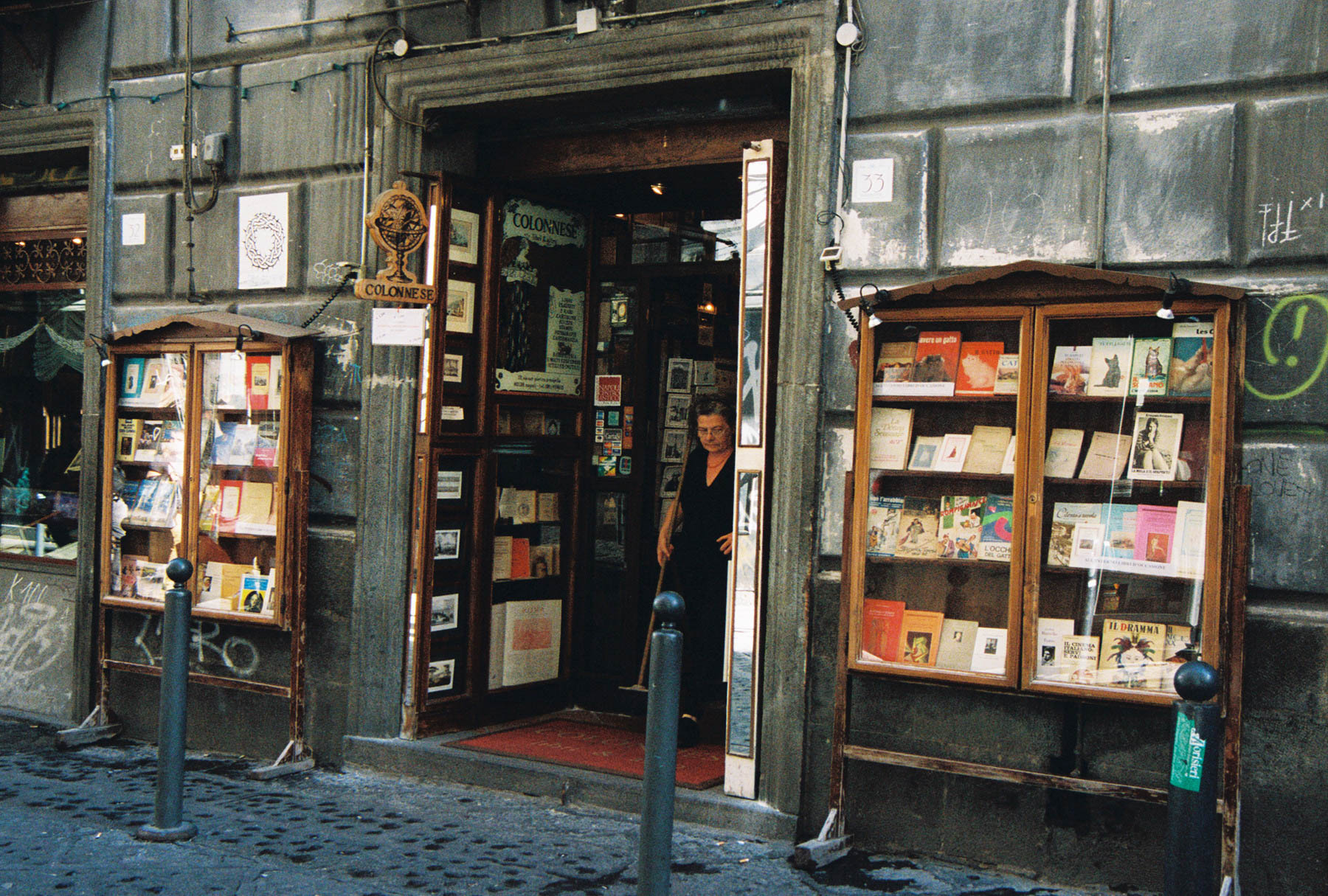
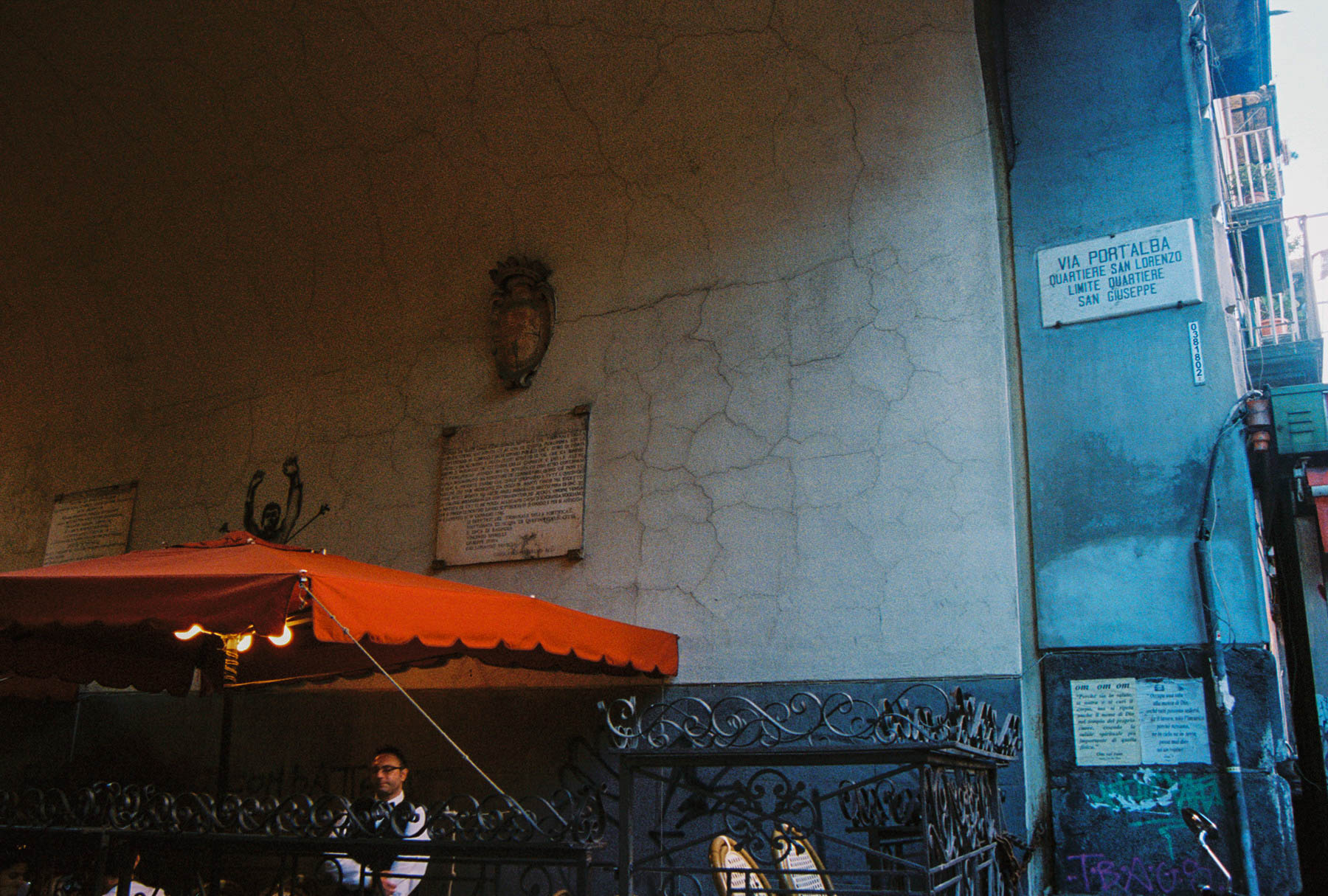
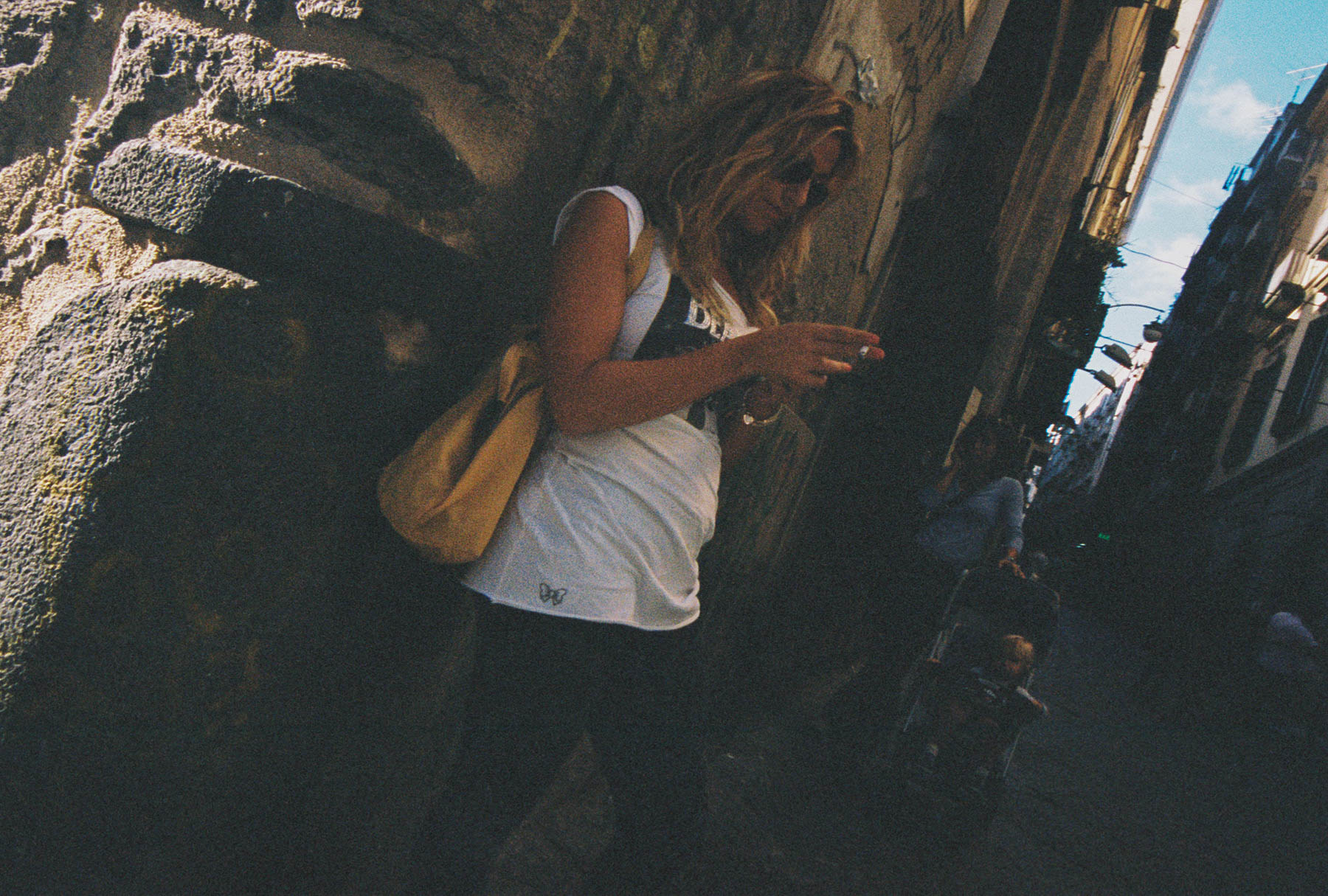
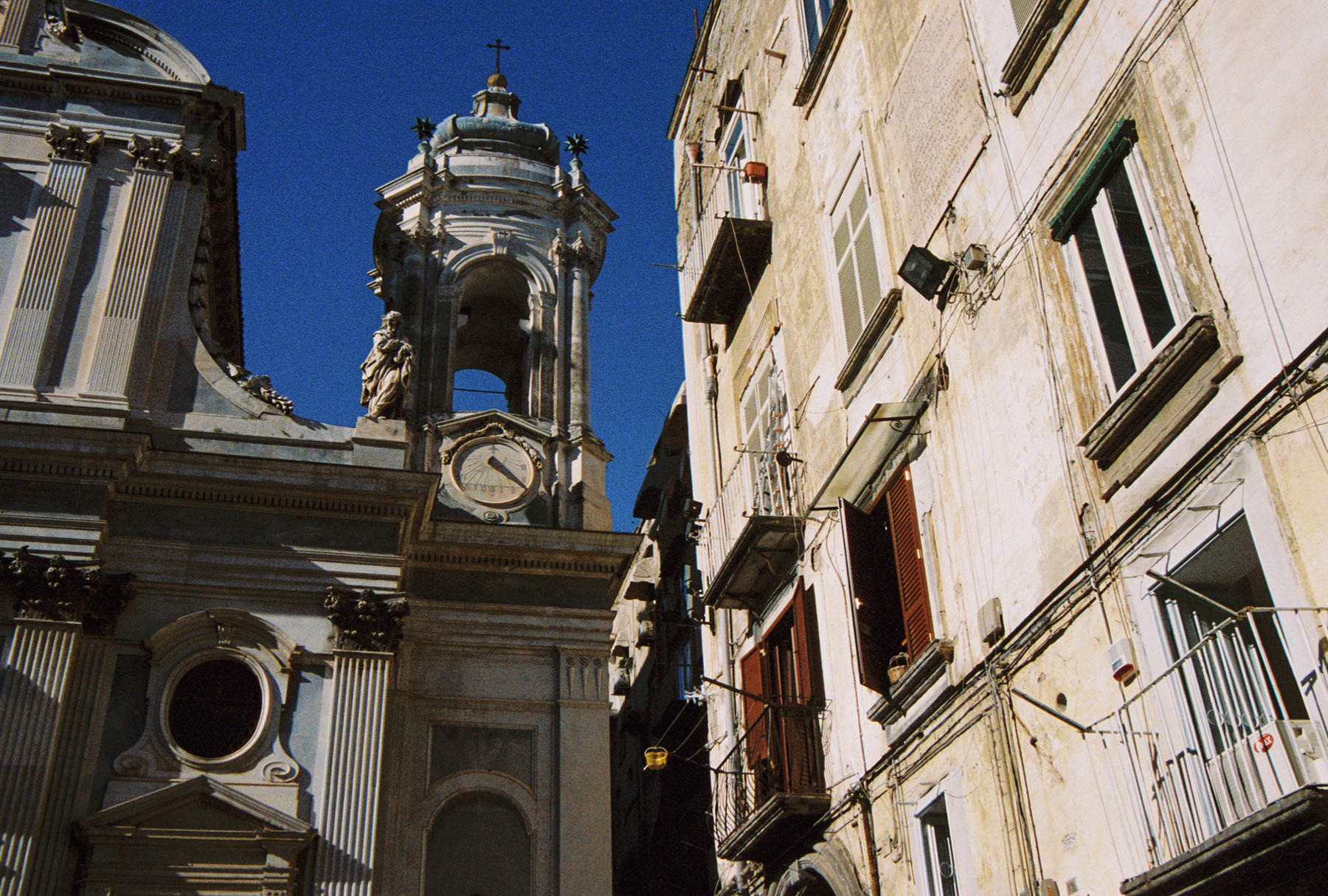
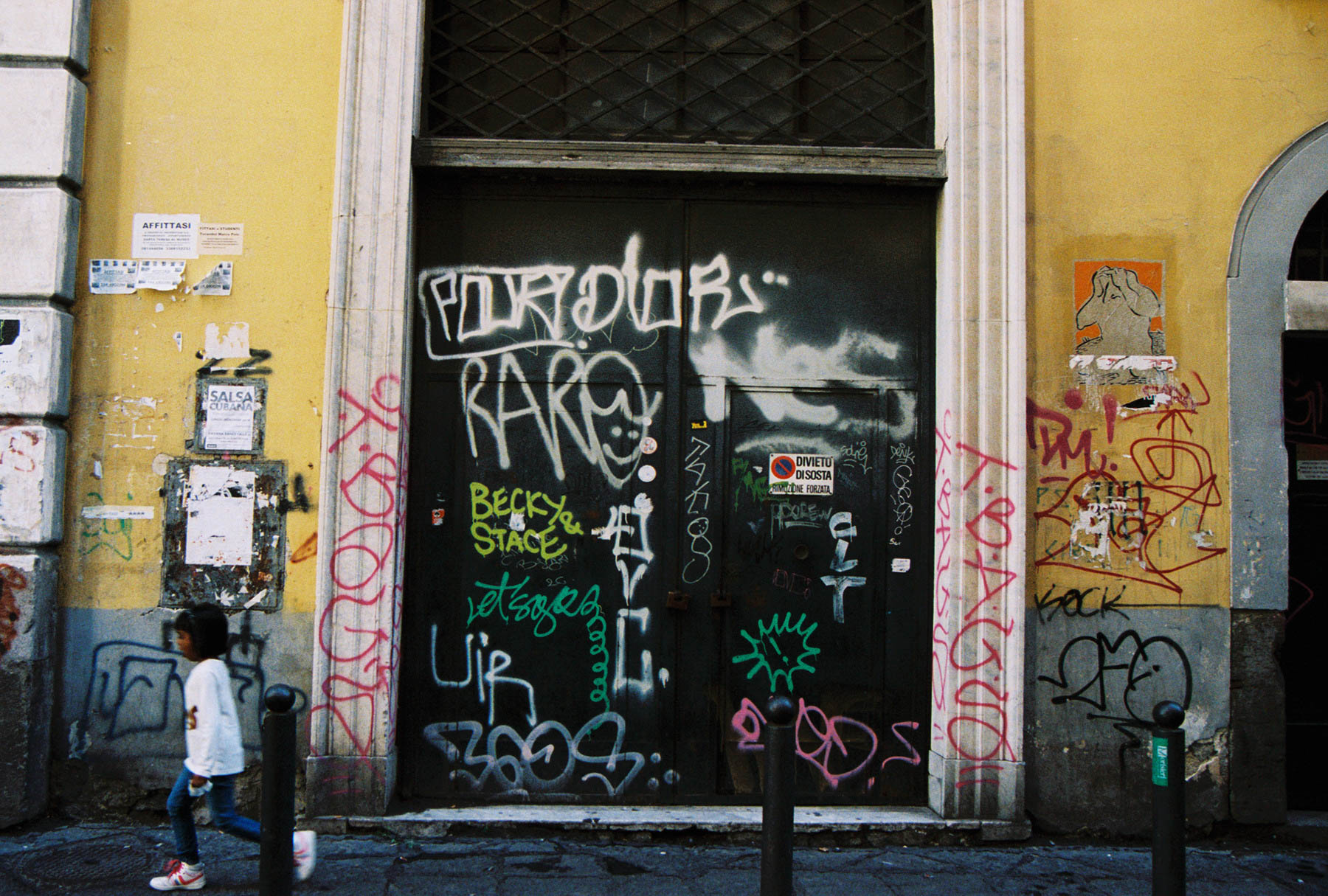
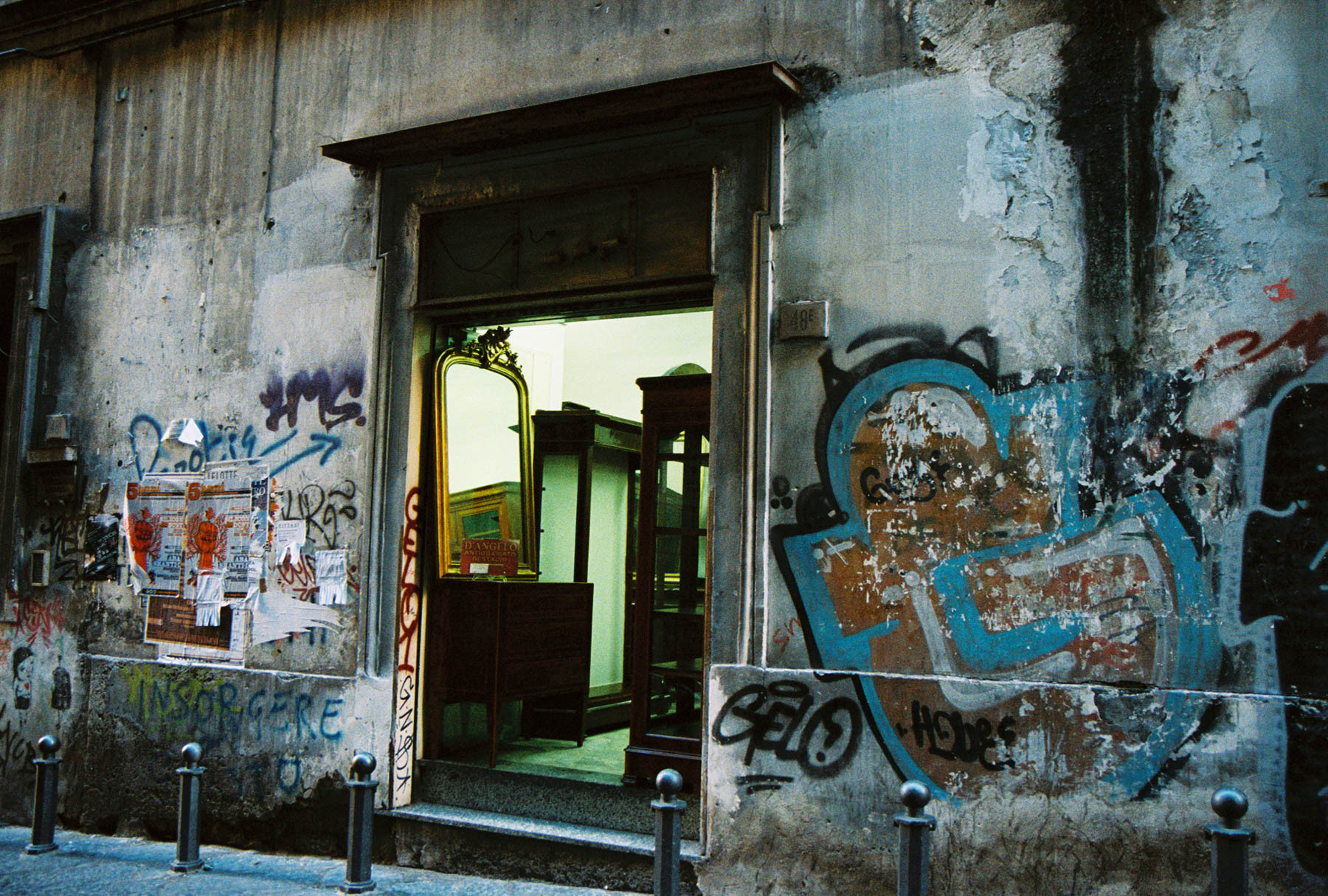
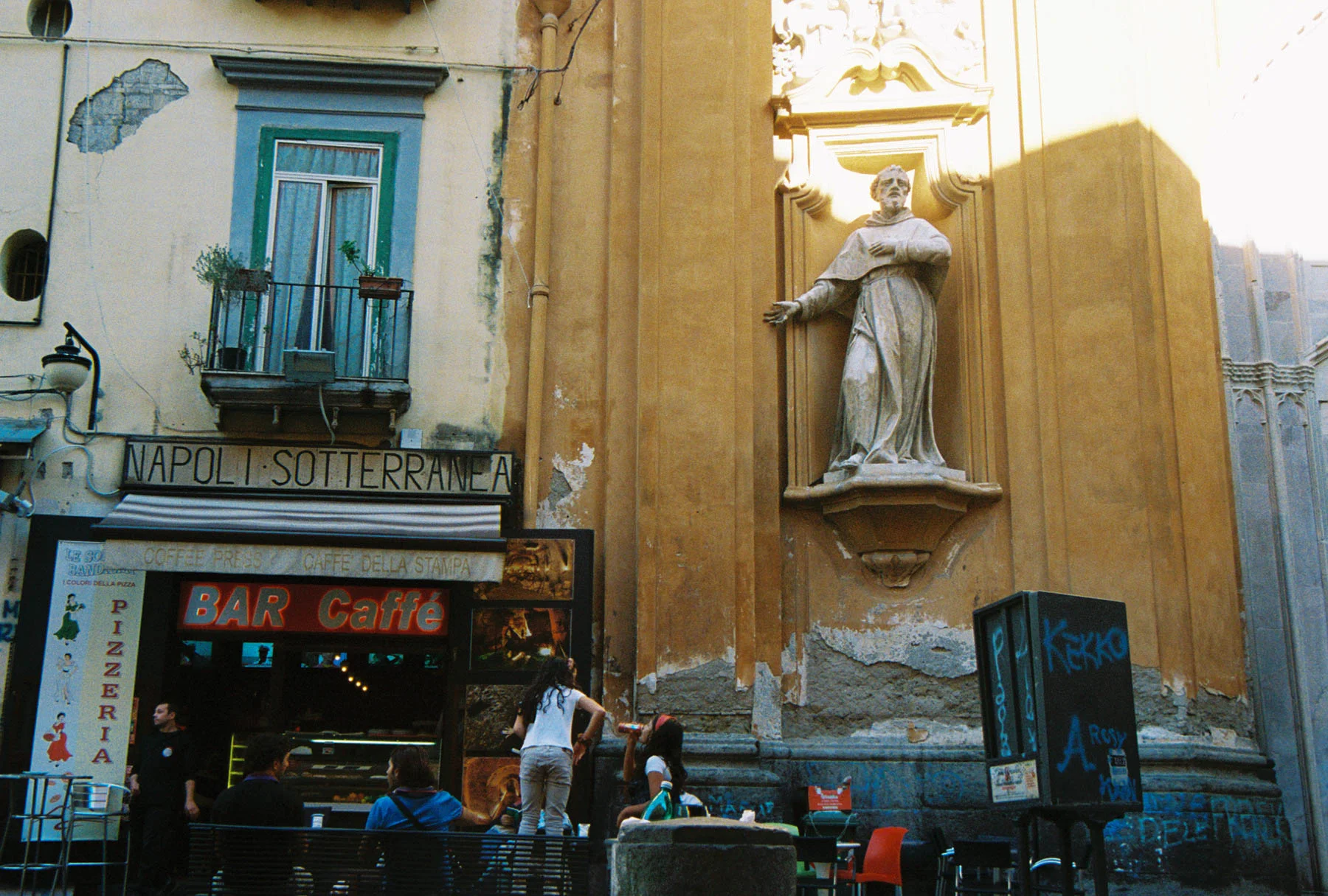
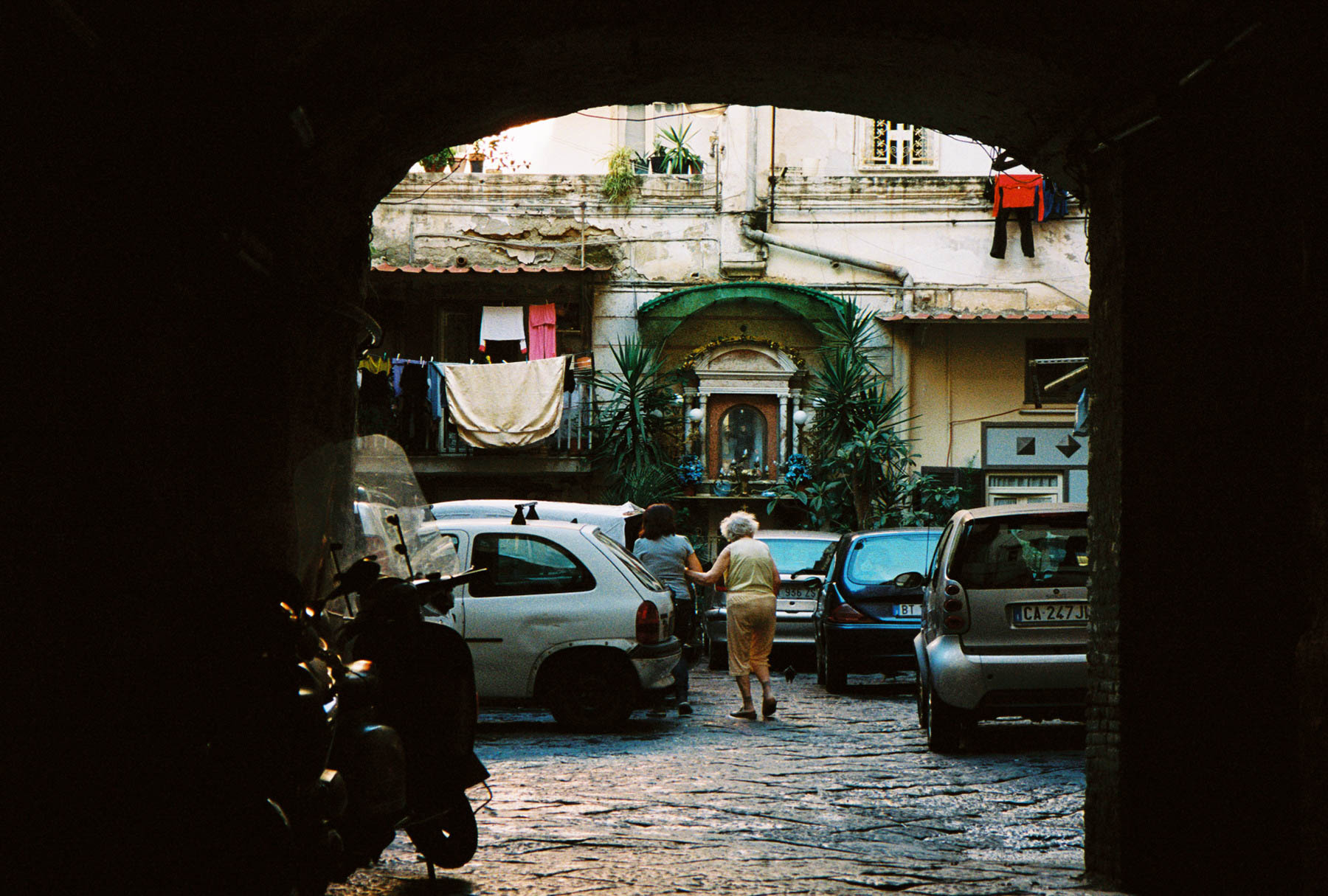
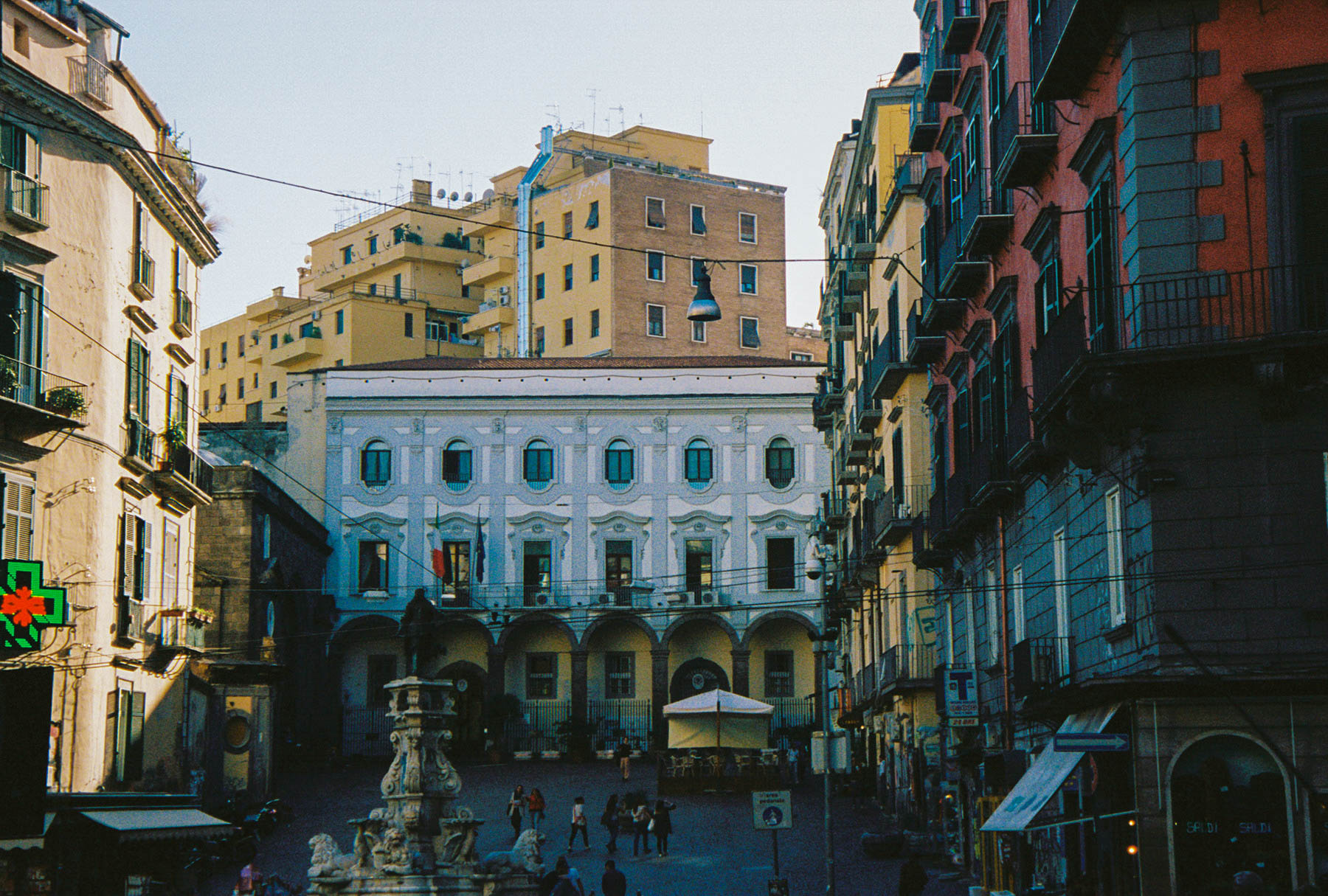
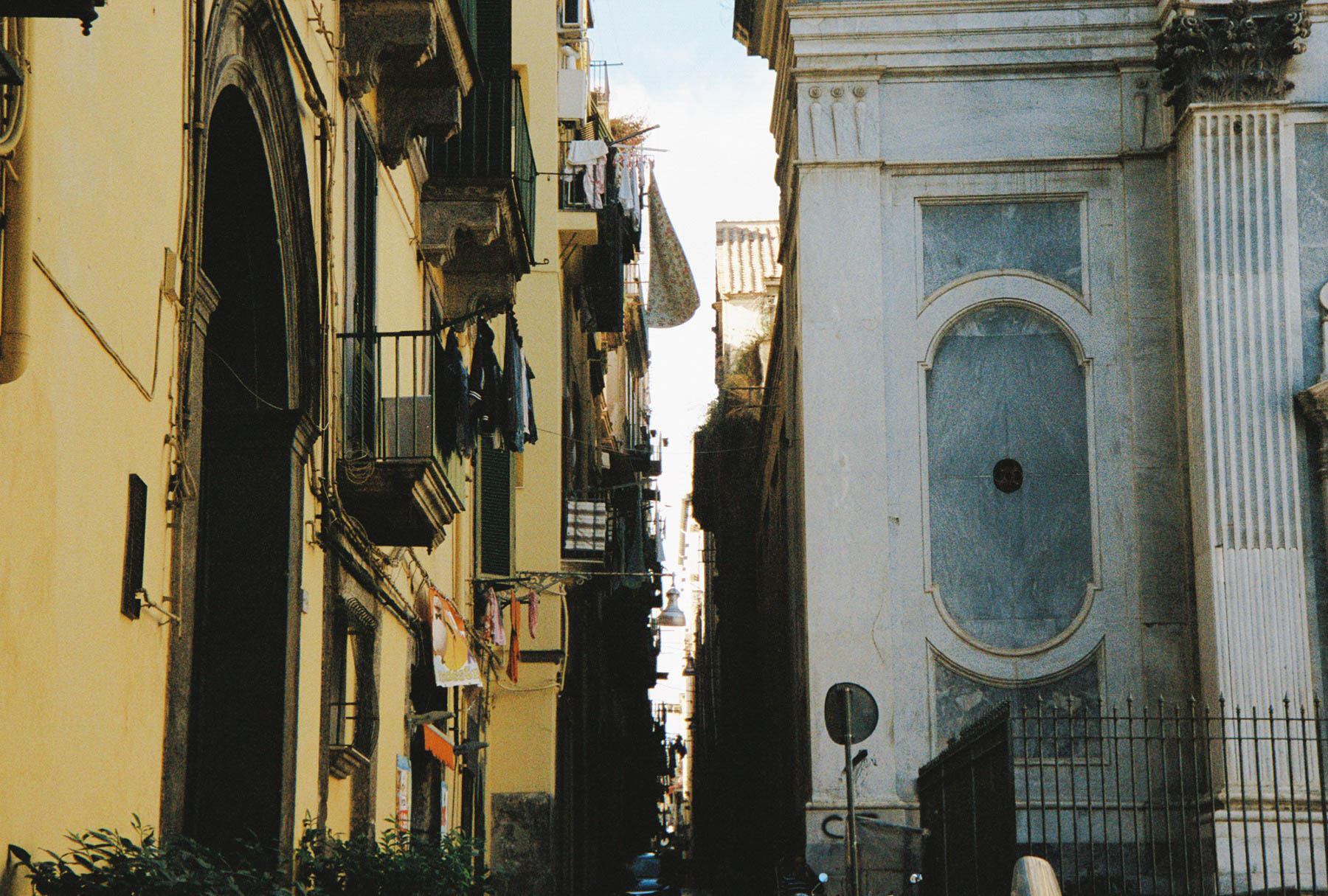
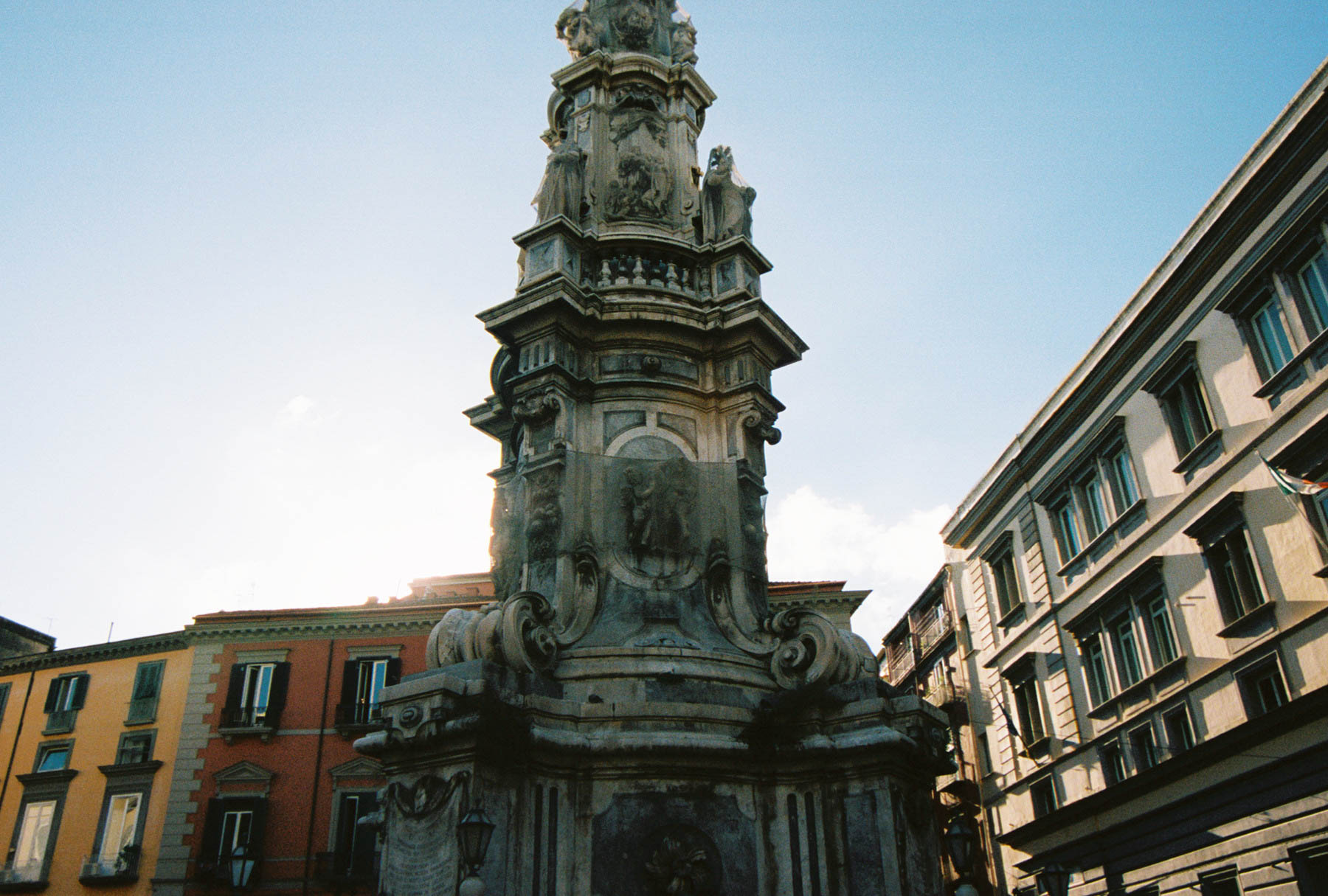
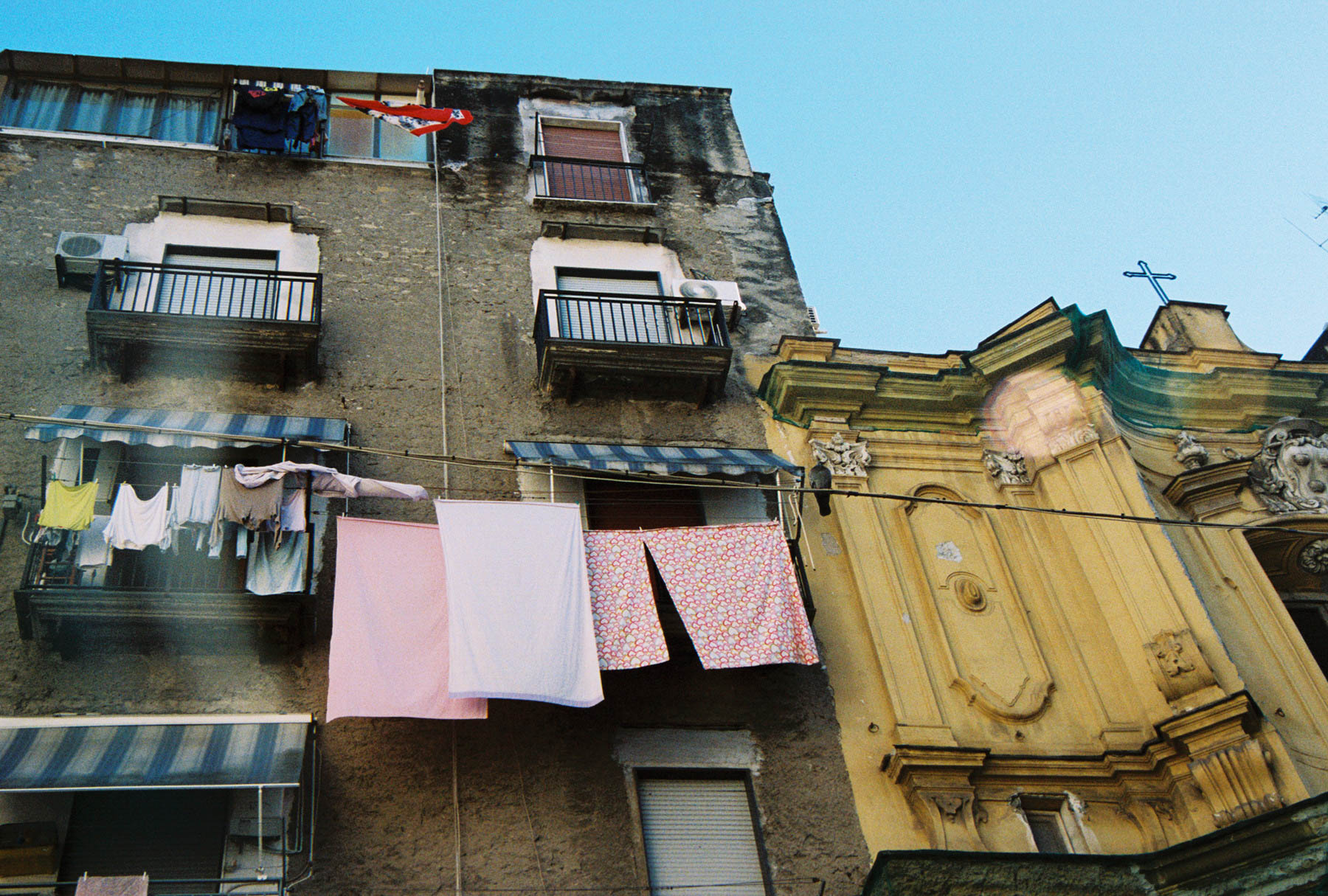
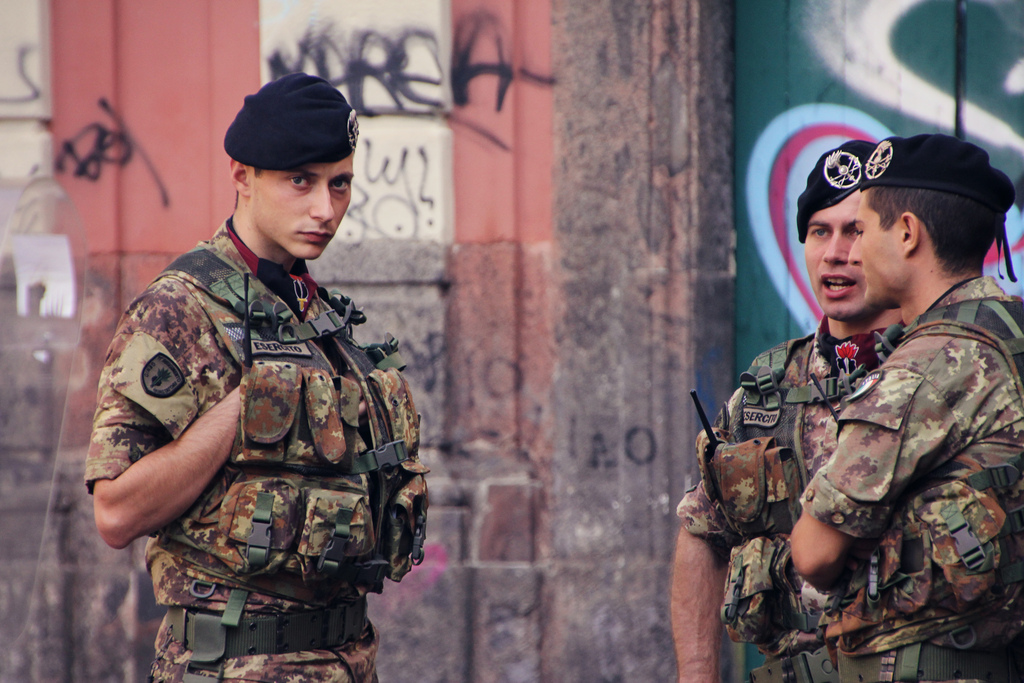
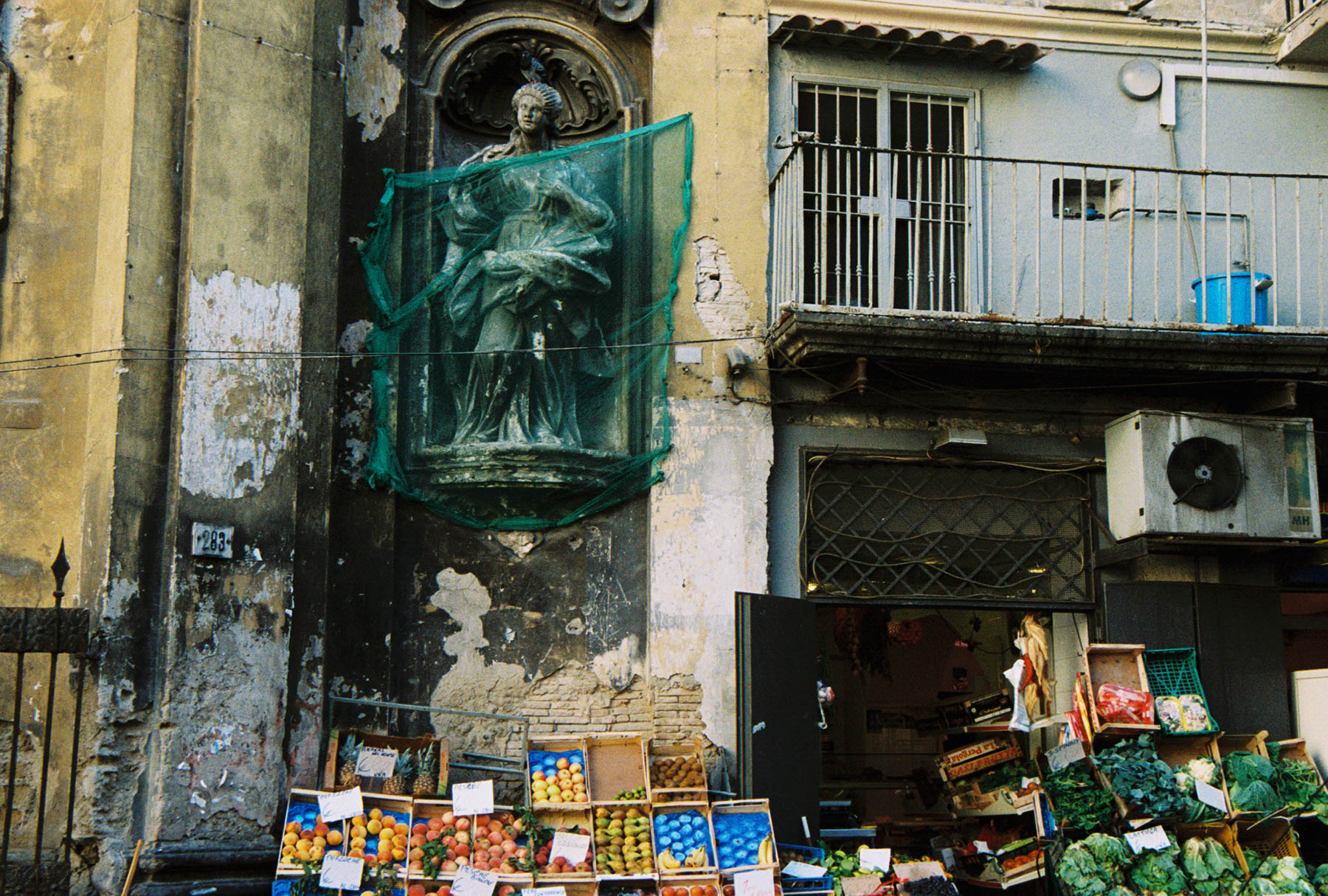
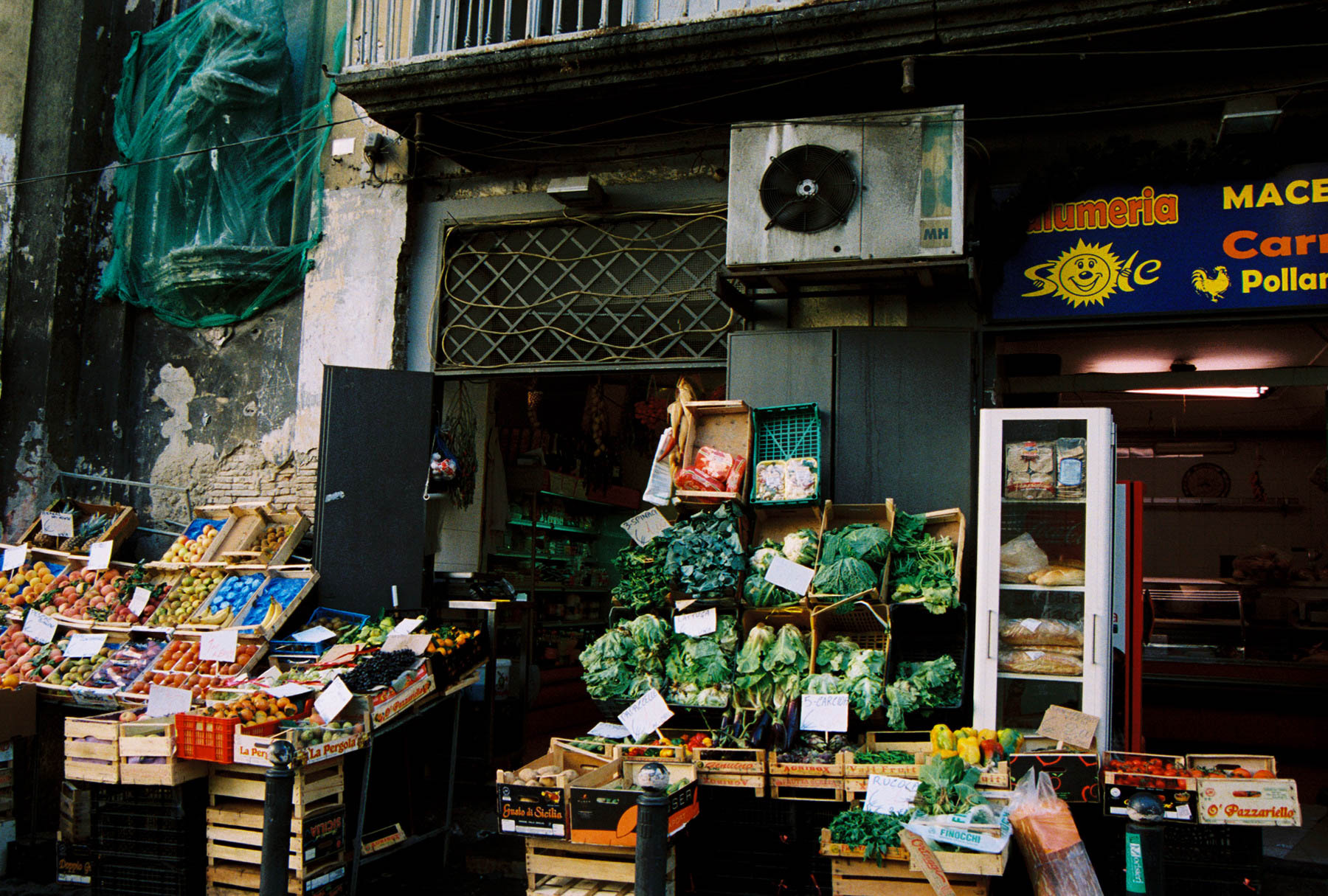
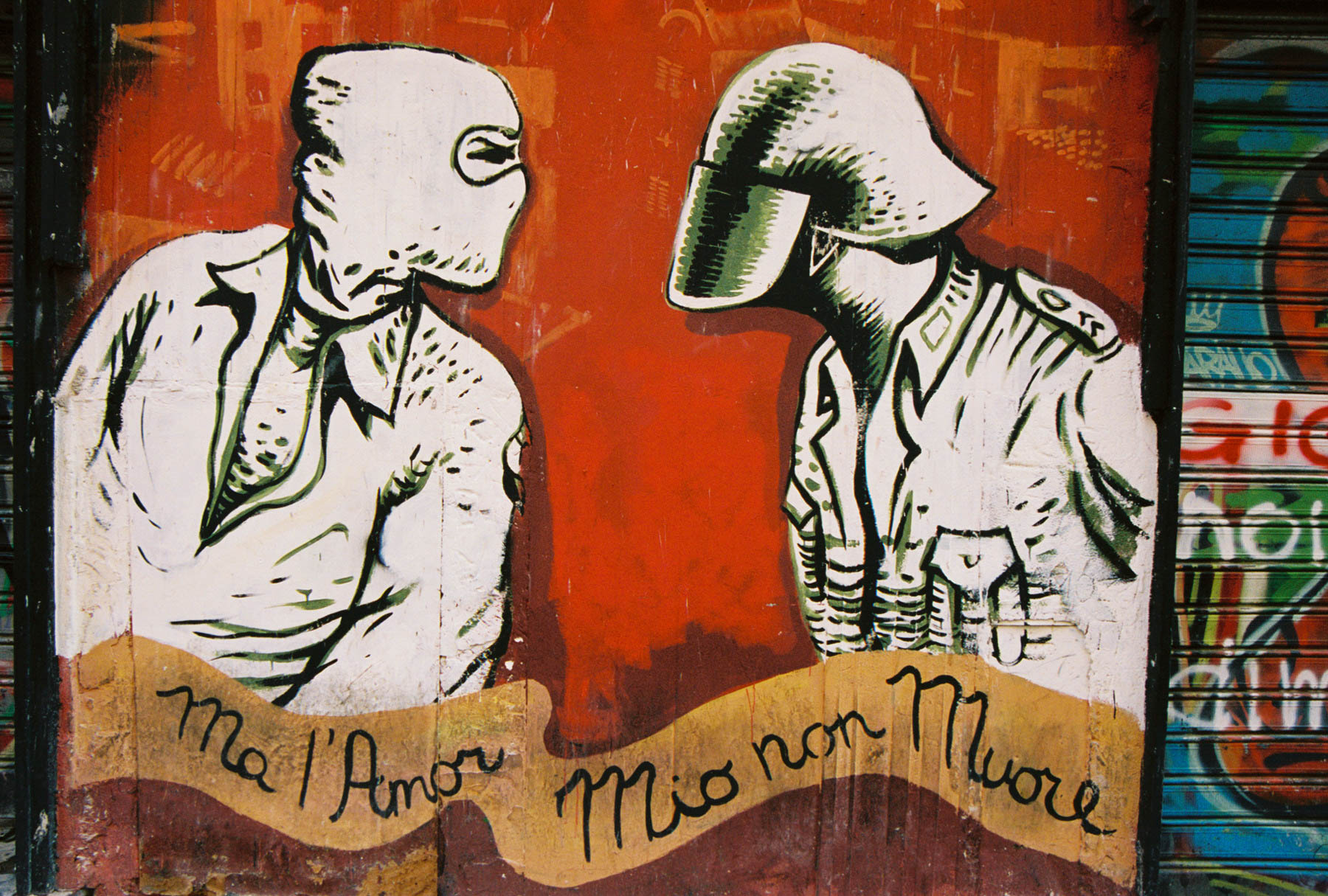
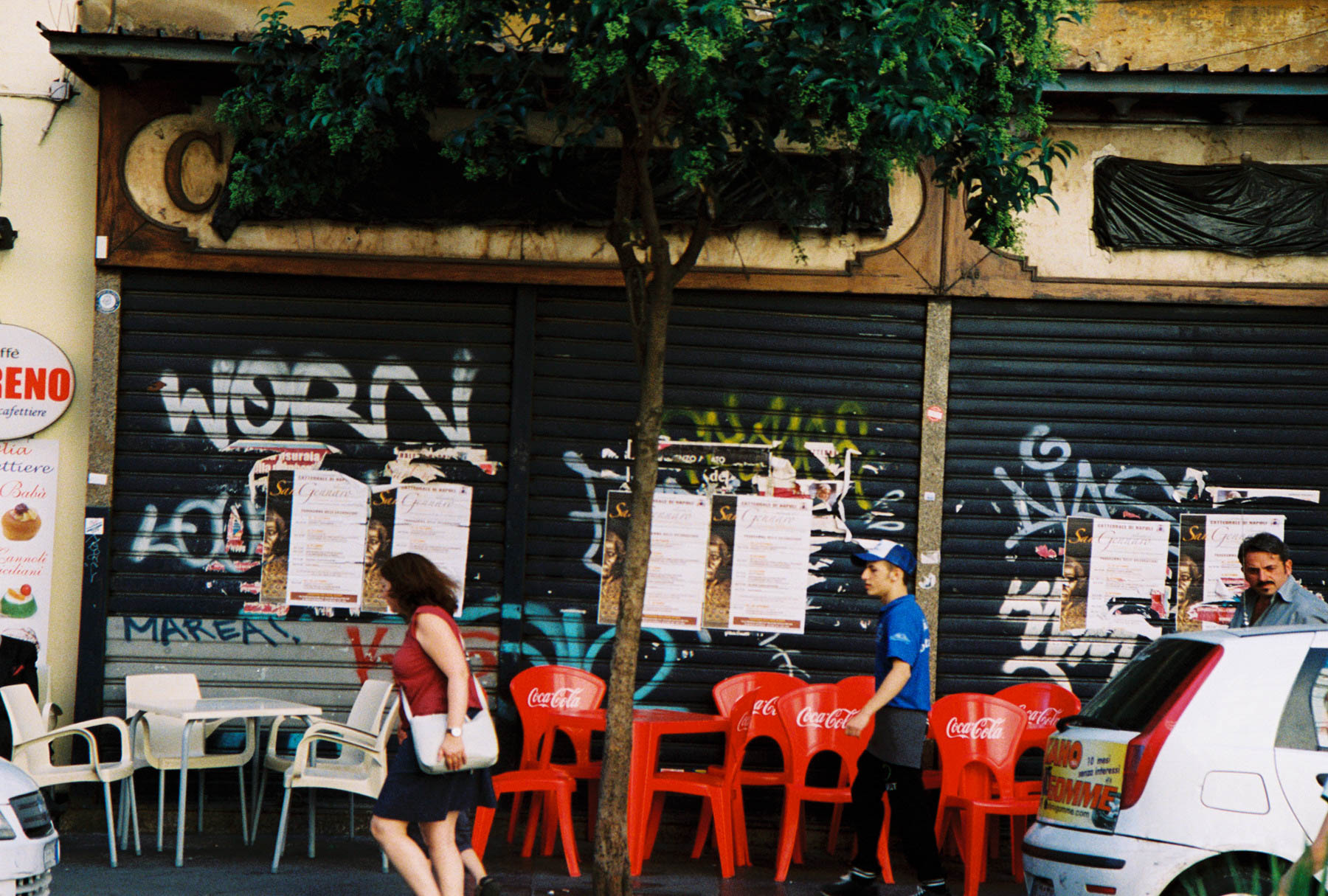
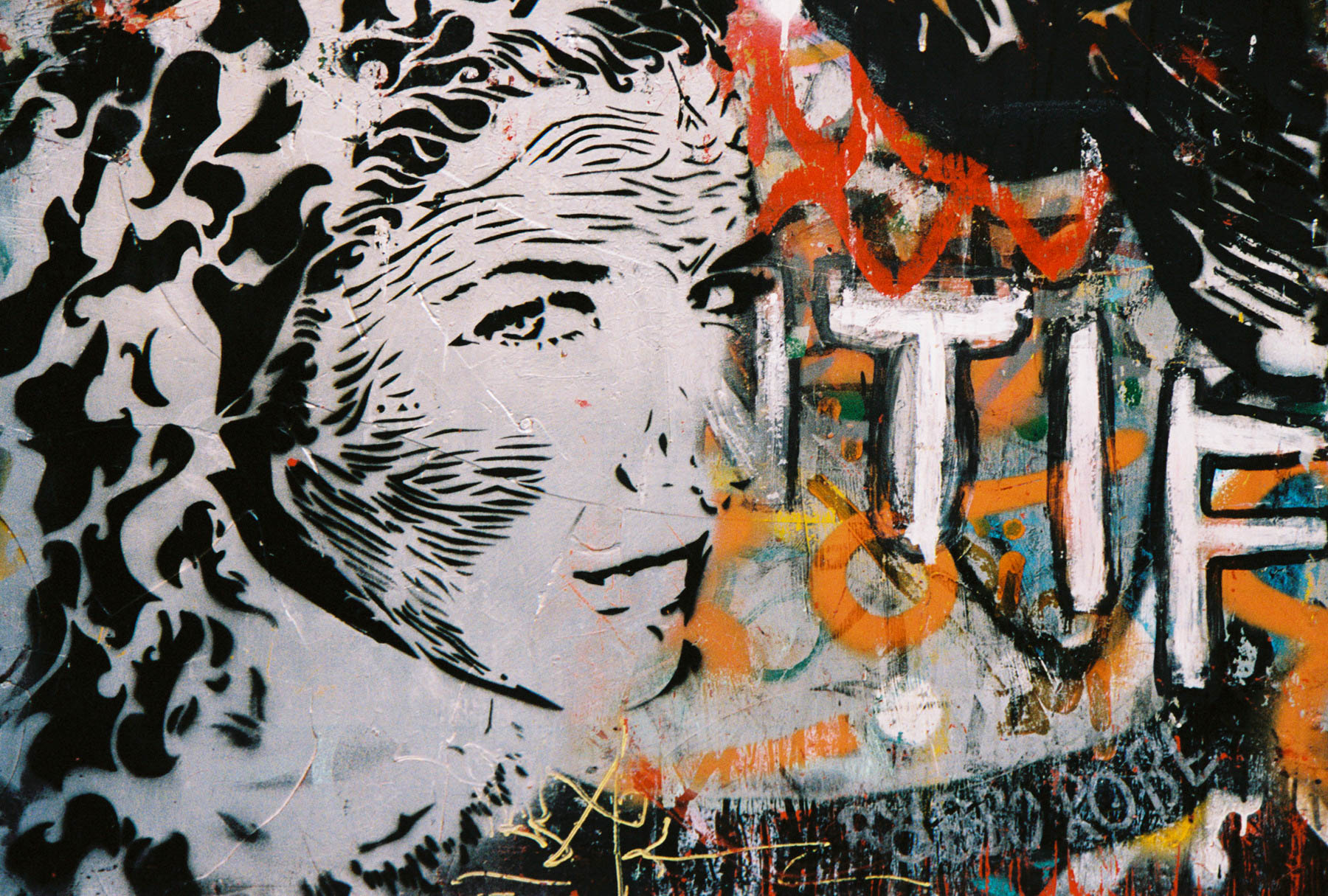
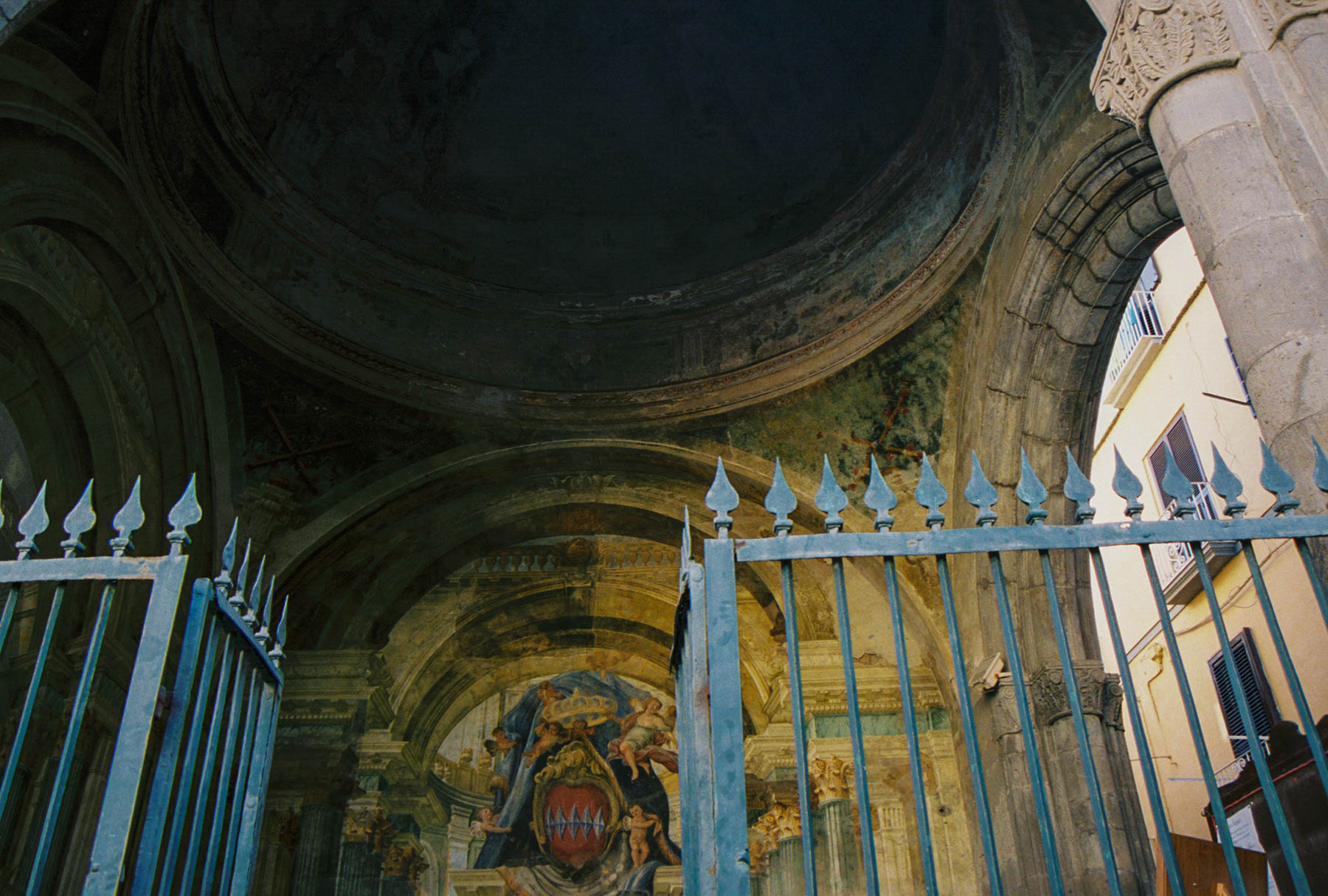
The bright and brash colors of the Spacconapoli neighborhood in Napoli, Italia (Naples, Italy) captured on velvia film slides, shot on one of my canon analog cameras.
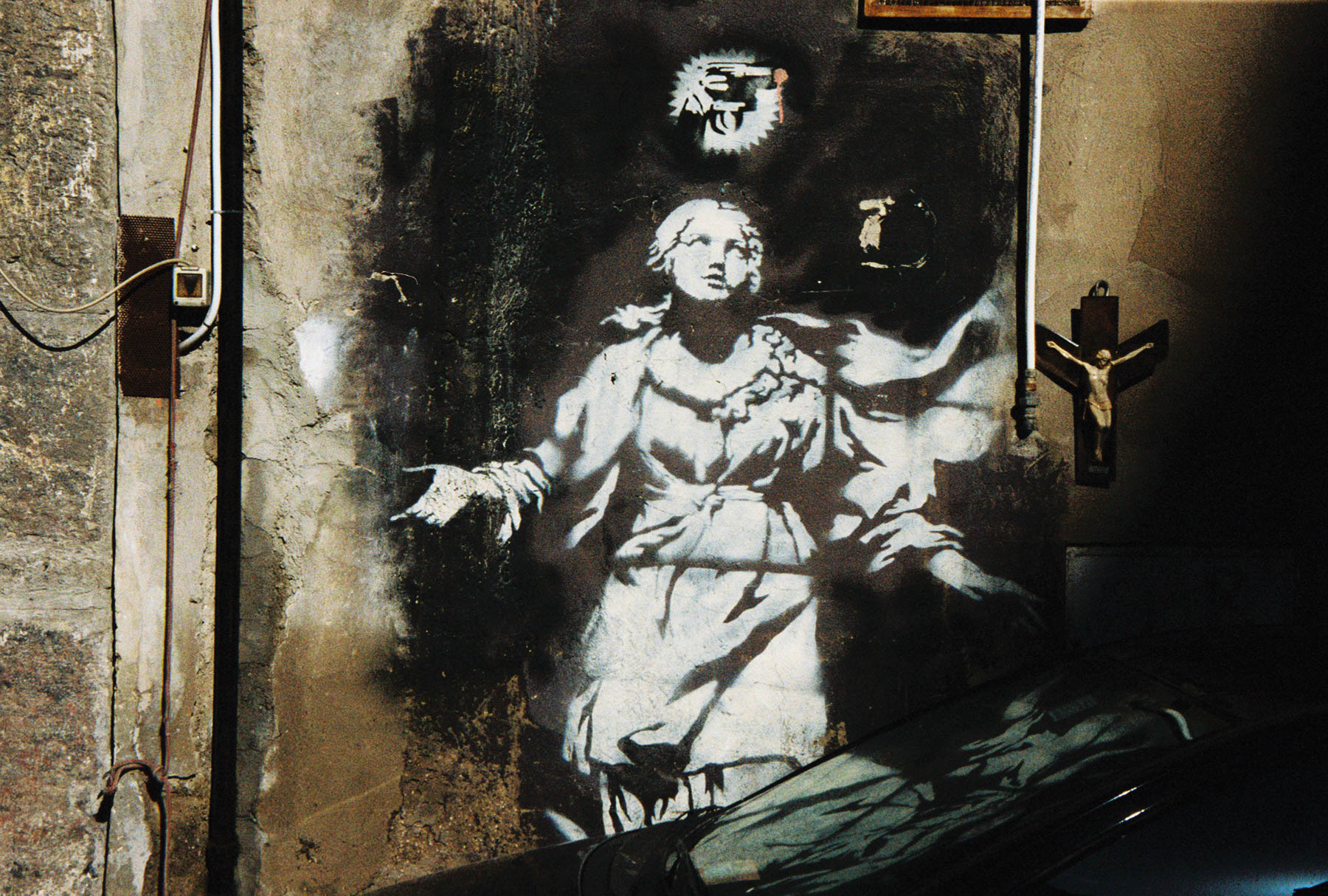
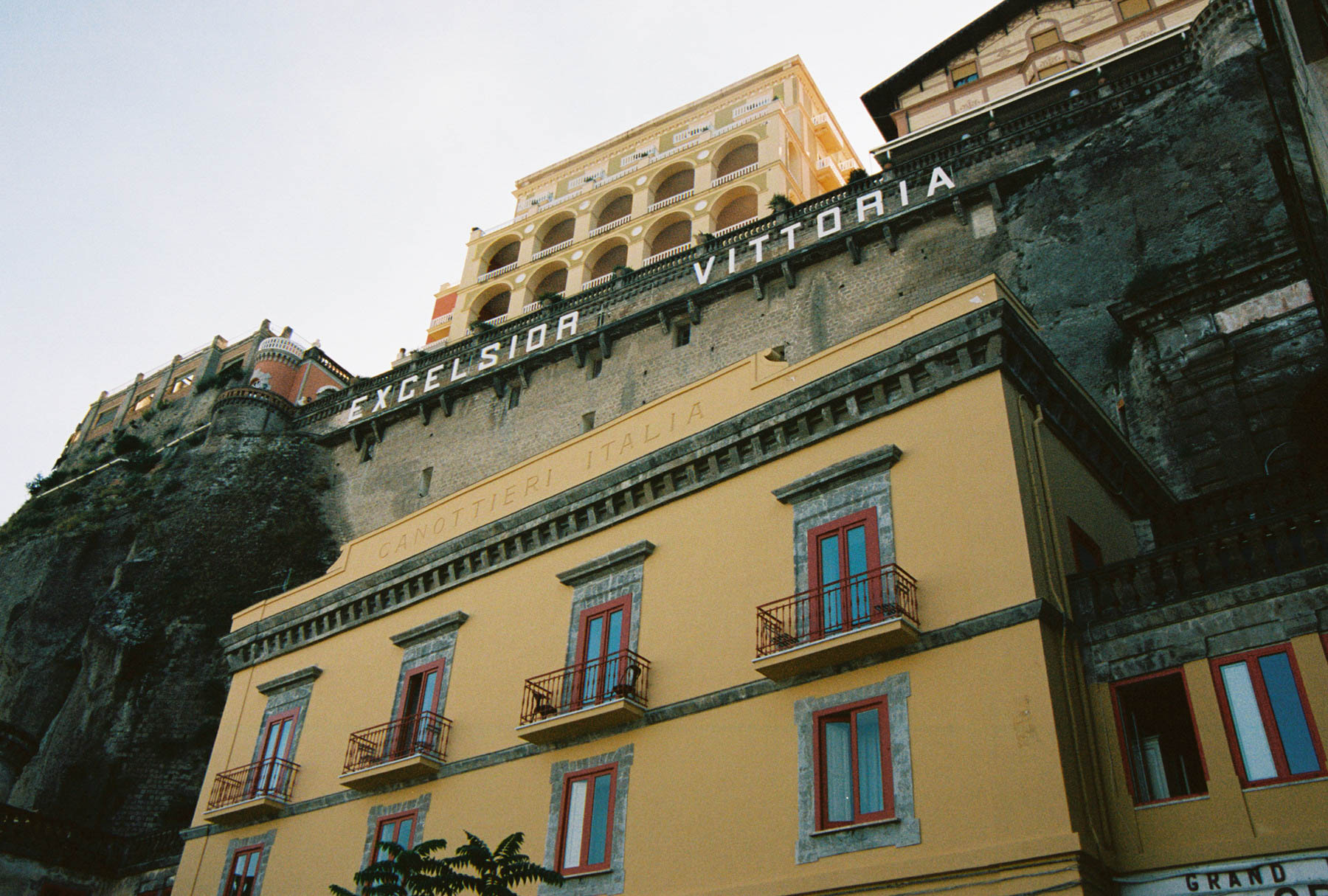
The sharp contrast of the elegance of Bourbon architecture and Neapolitan artistry against the slow modern decay of the last 80 years in grafitti and weathered edges of life highlights a city steeped in dichotomies.
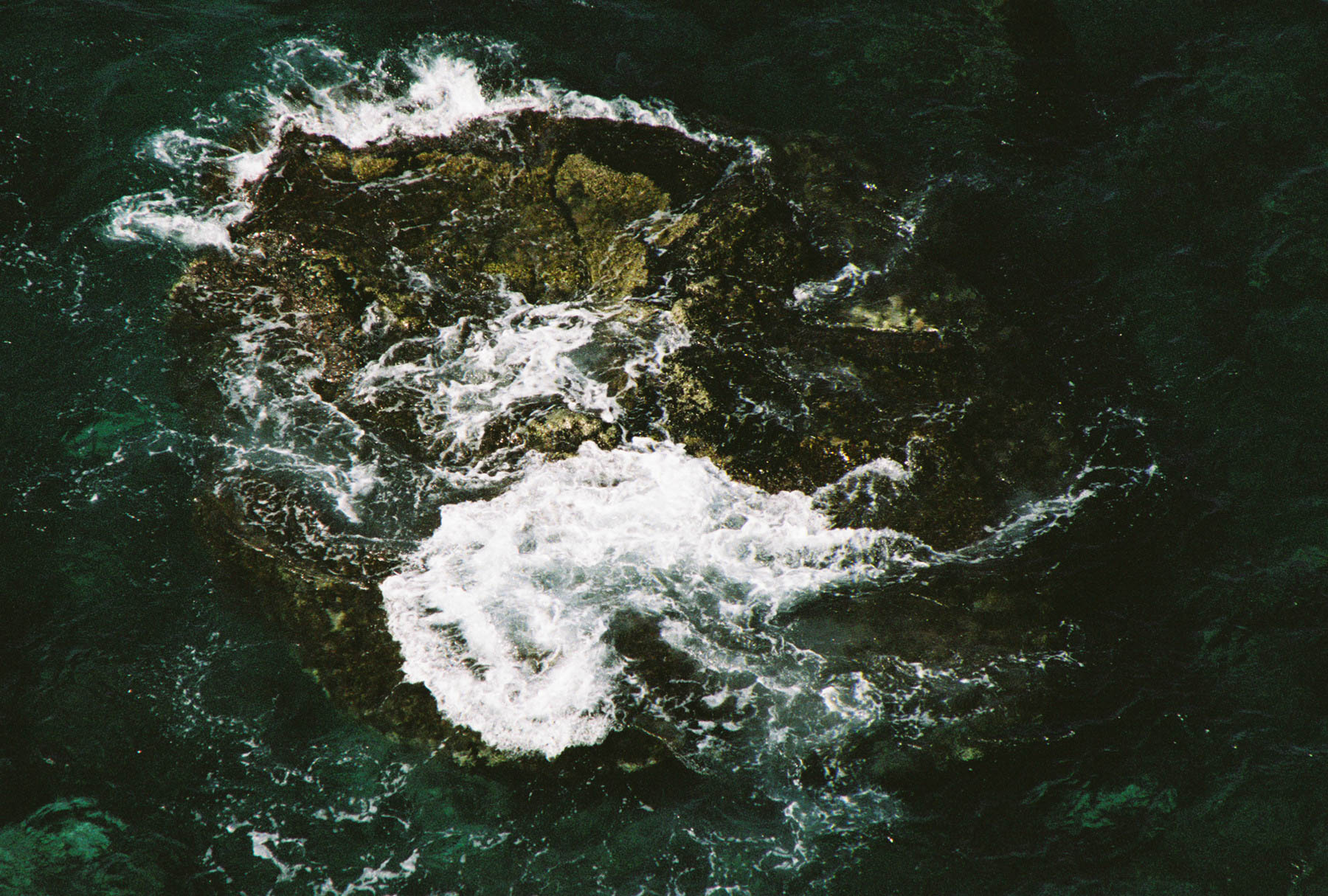
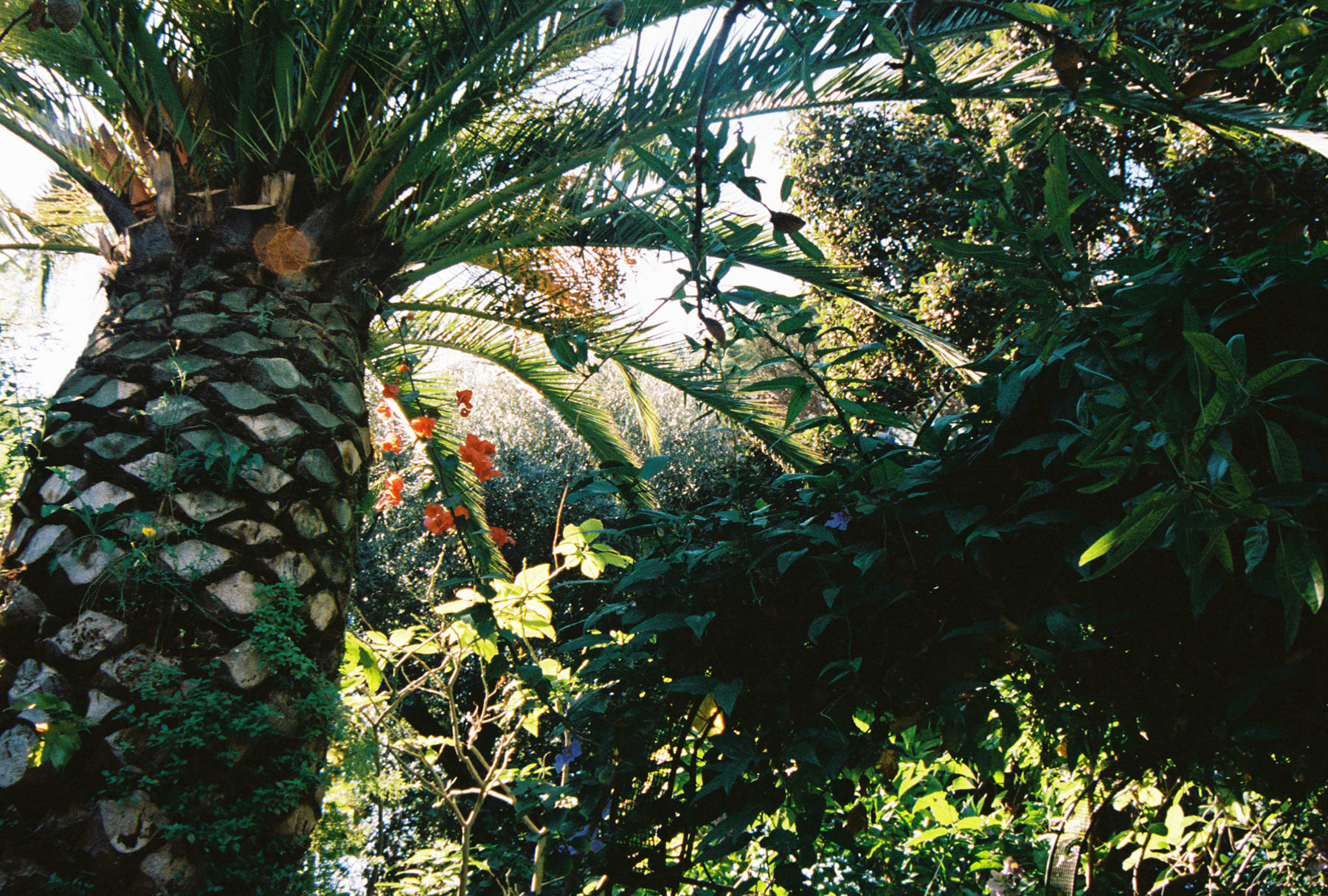
The Neapolitan soul remains seemingly intact however, divided between the threads of passionate art, beauty, the wild nature of the sea and Baroque gardens, and the soaring rocks and islands so utterly exquisite they are paradisos on earth… and in the looming apartments and close quarters of alleys making the piazzas the true heart of the local’s living room.
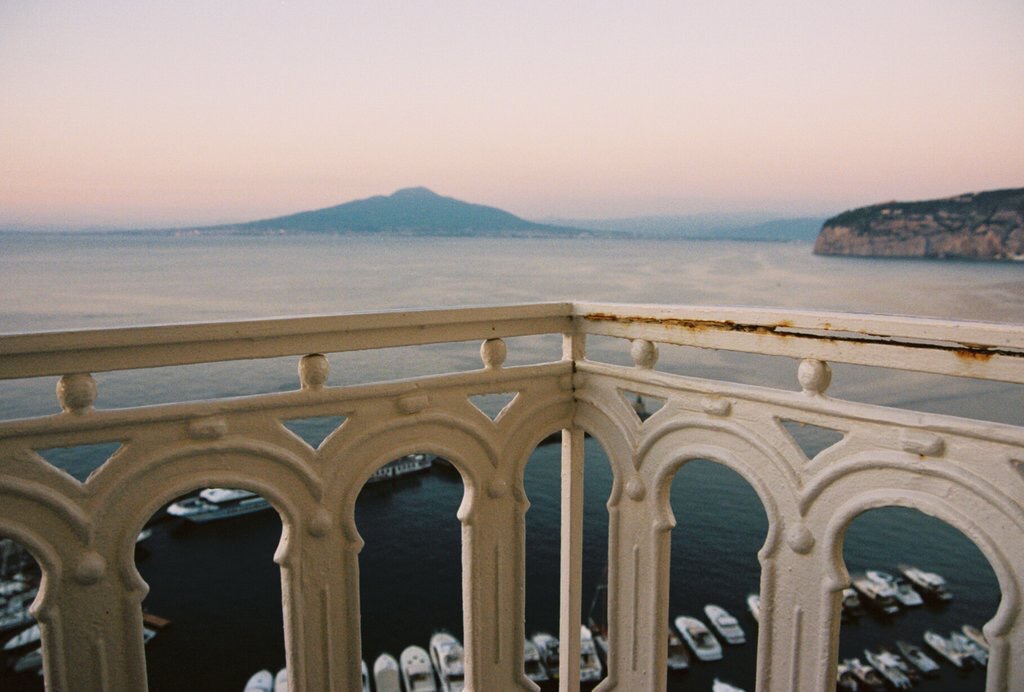
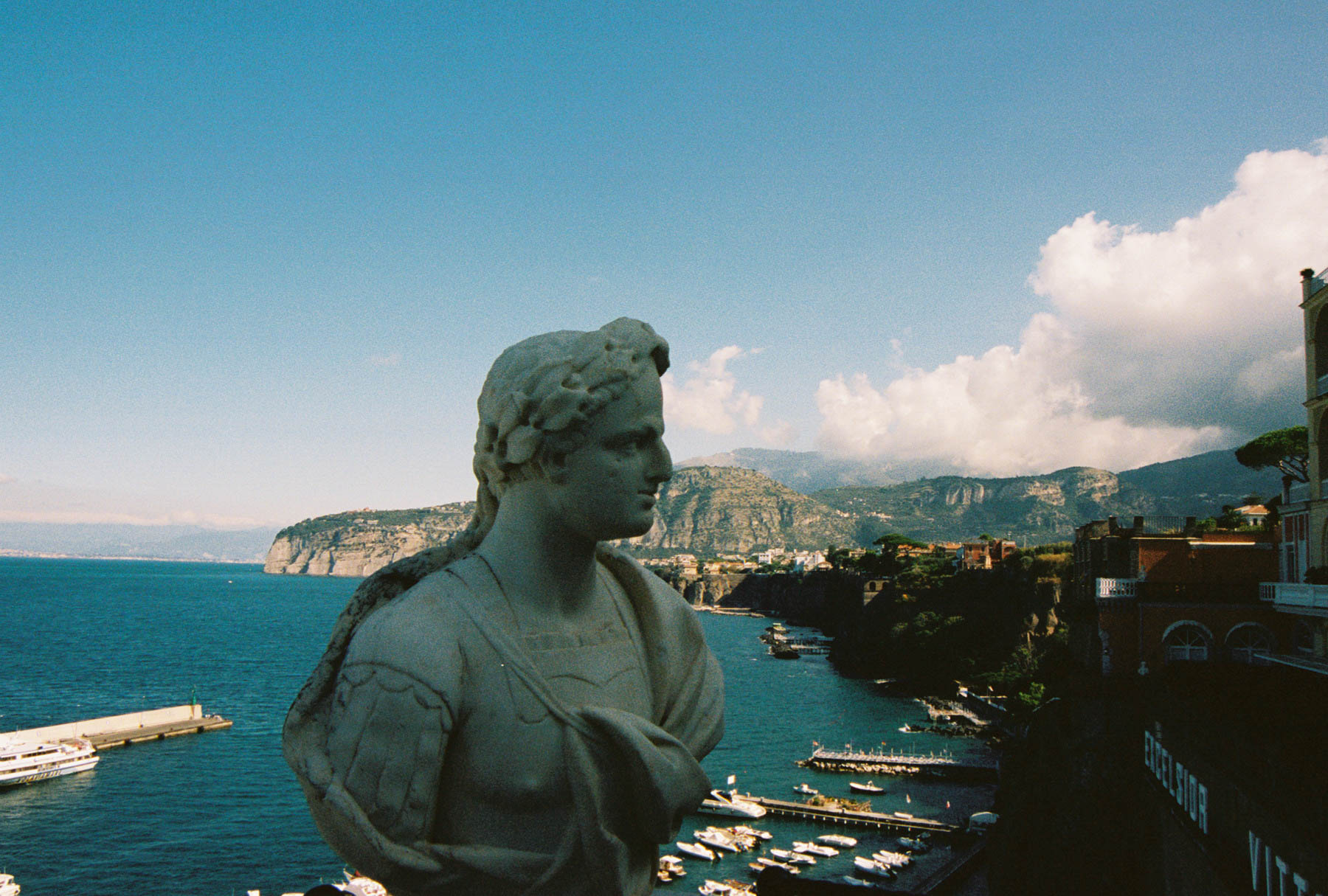
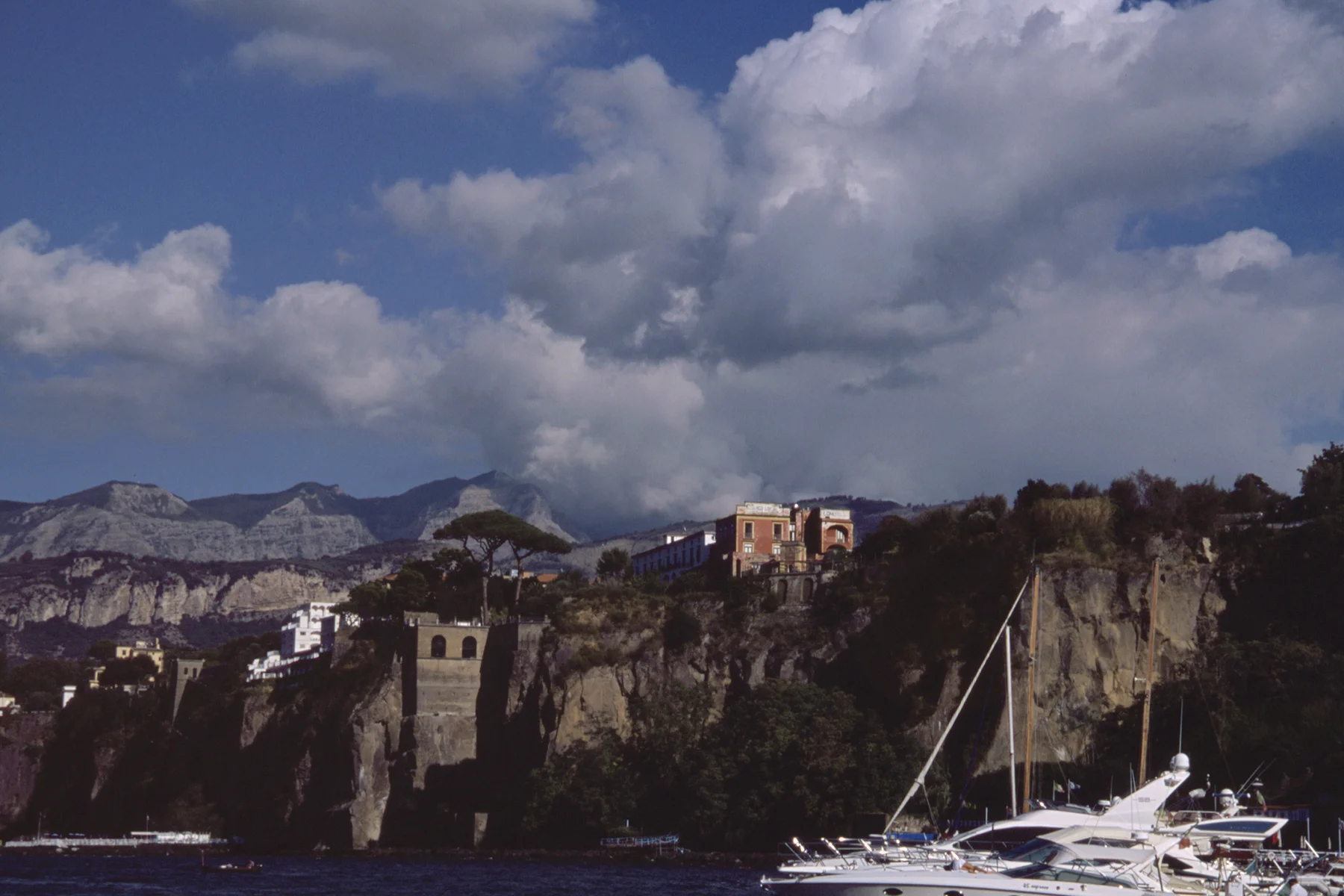
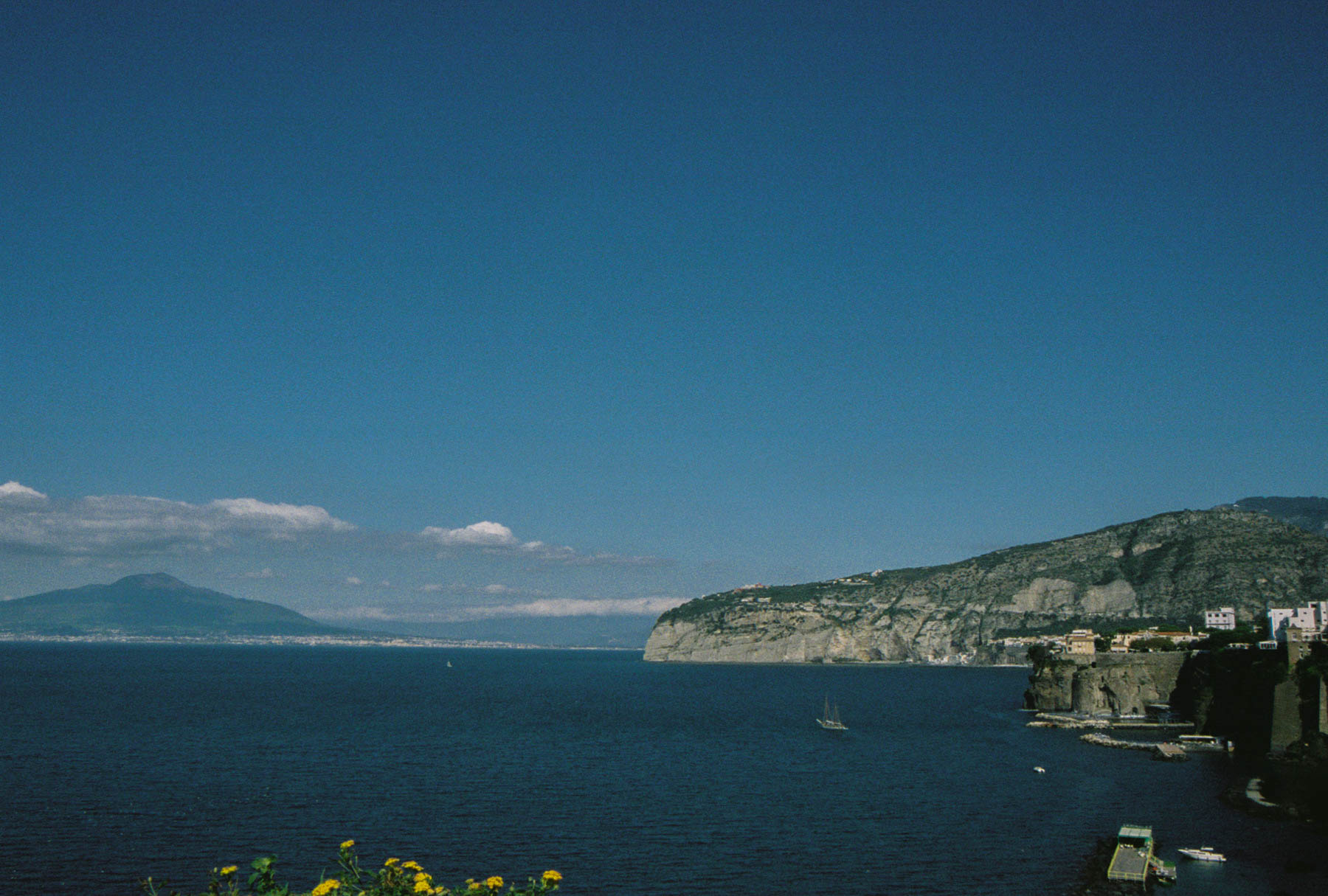
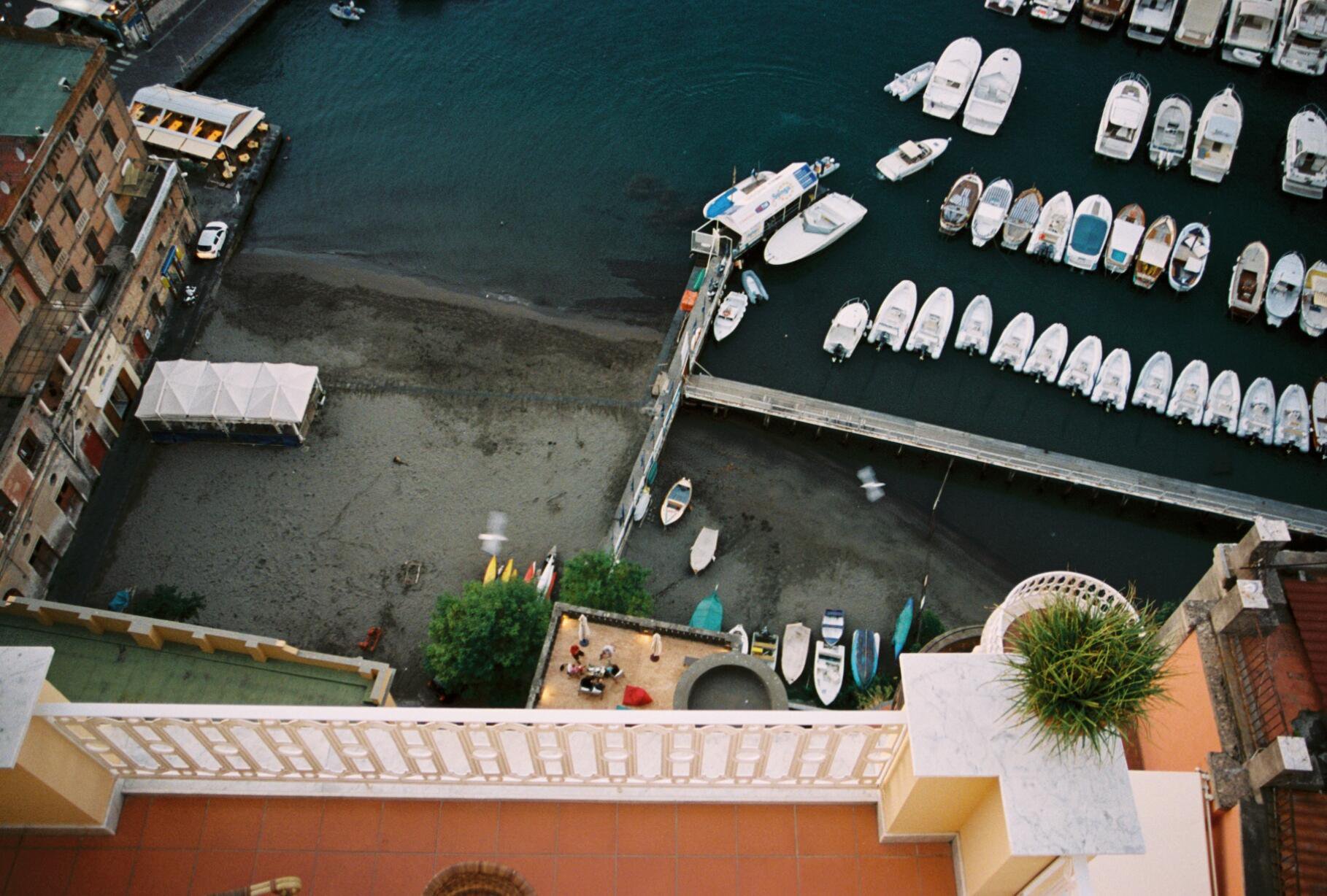
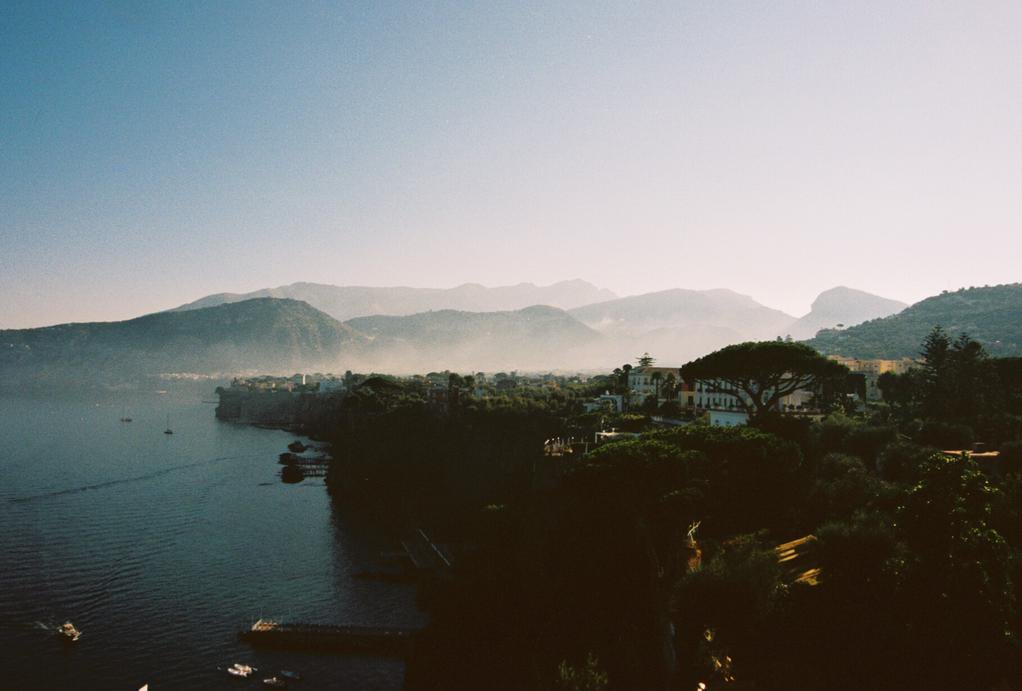
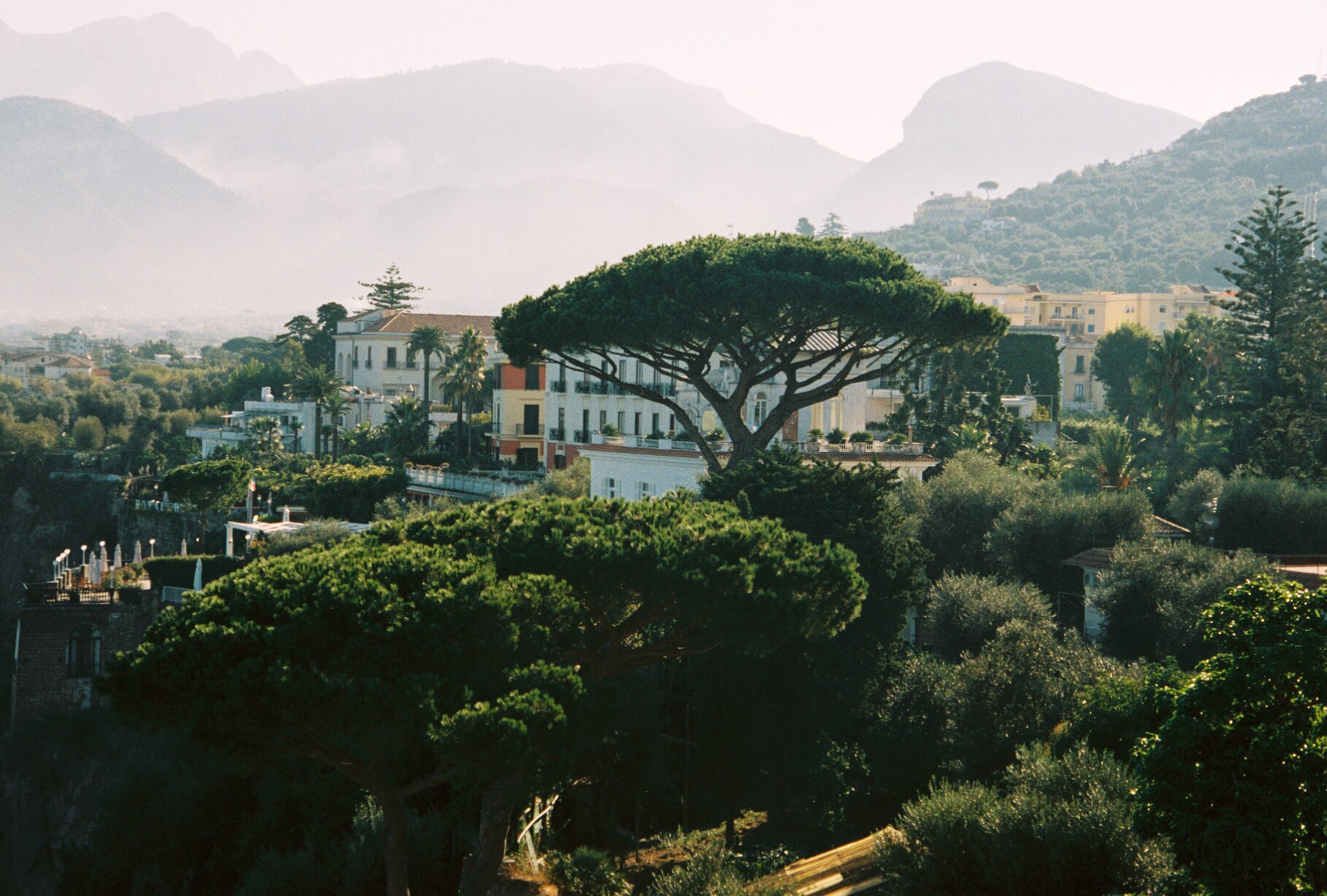
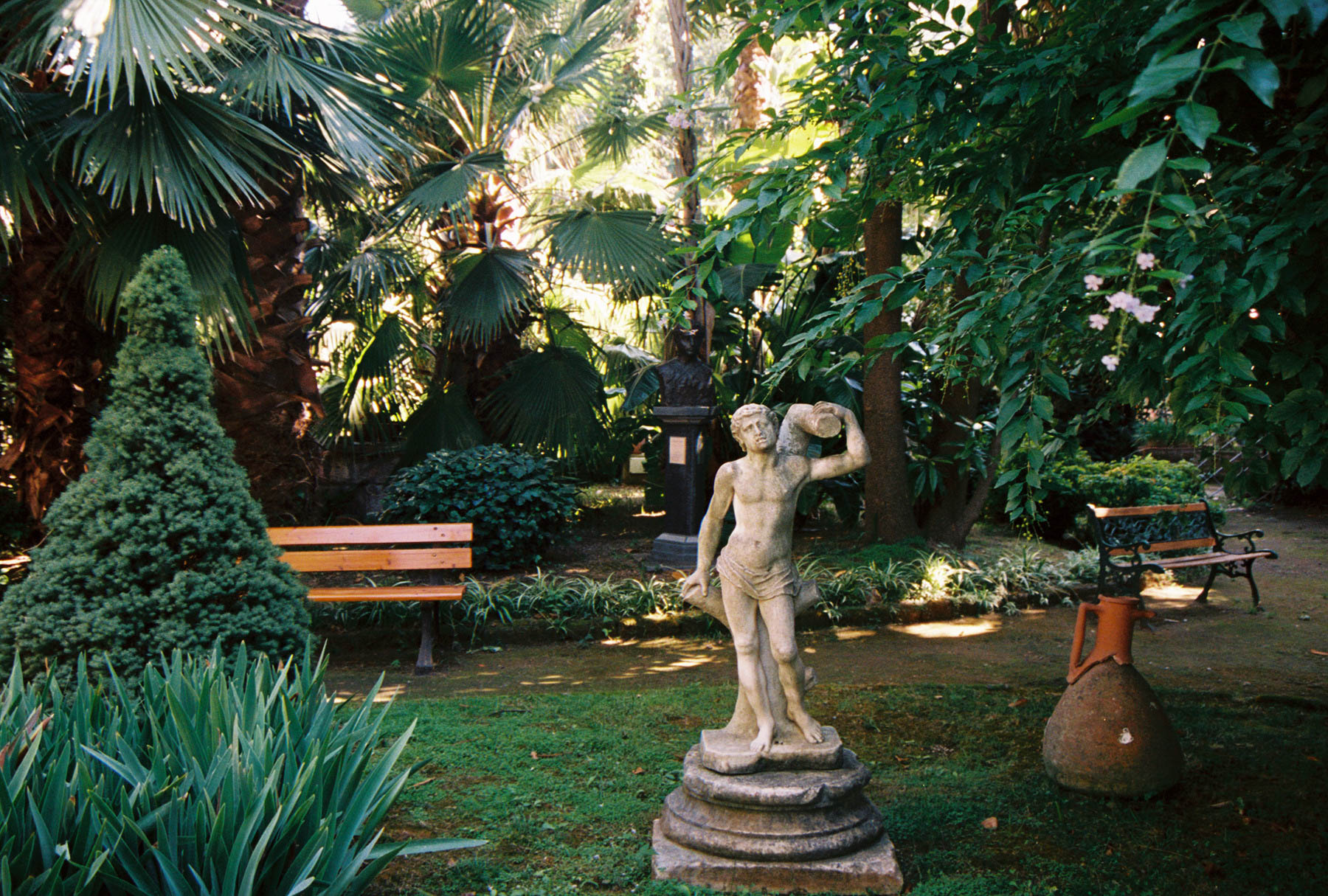
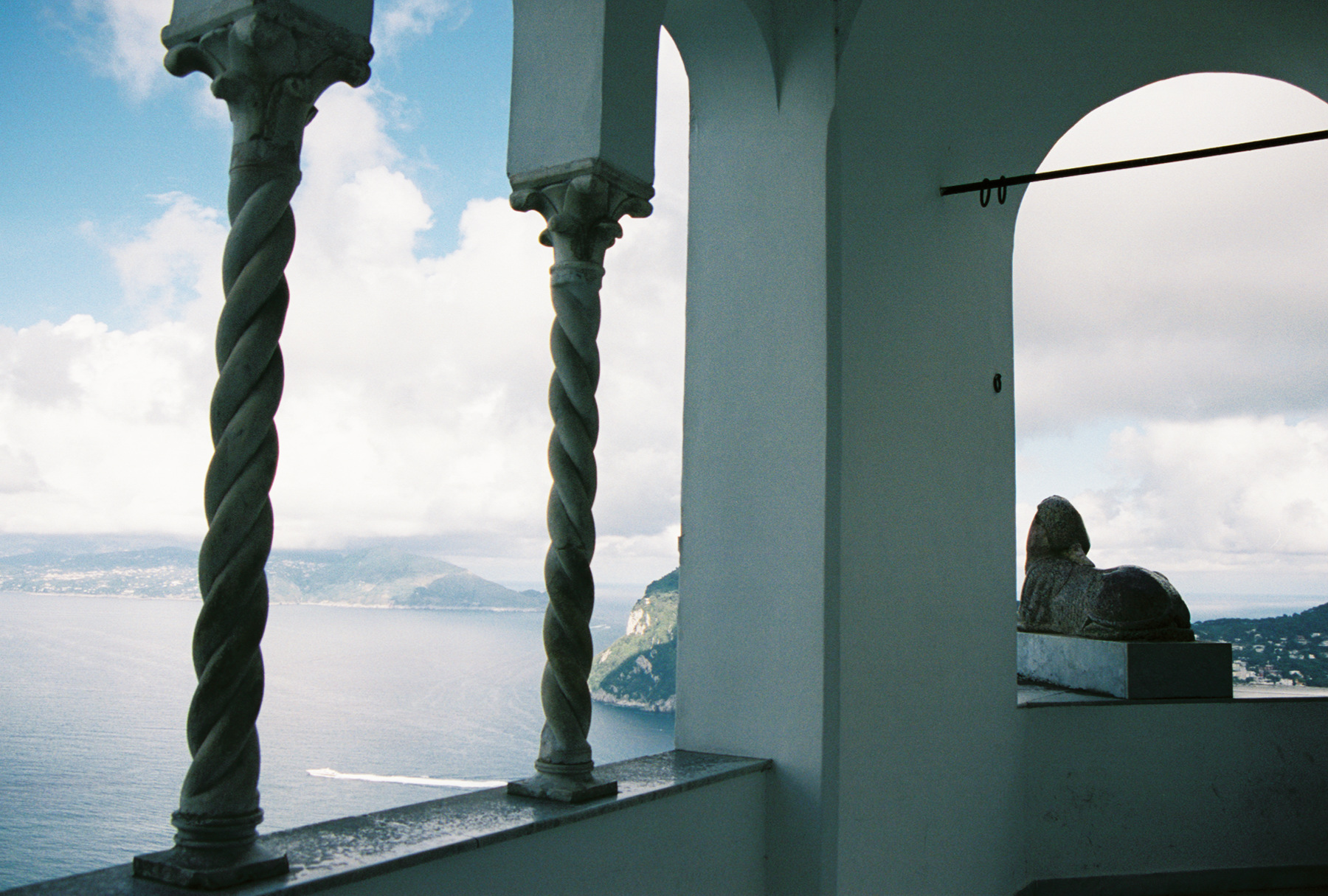
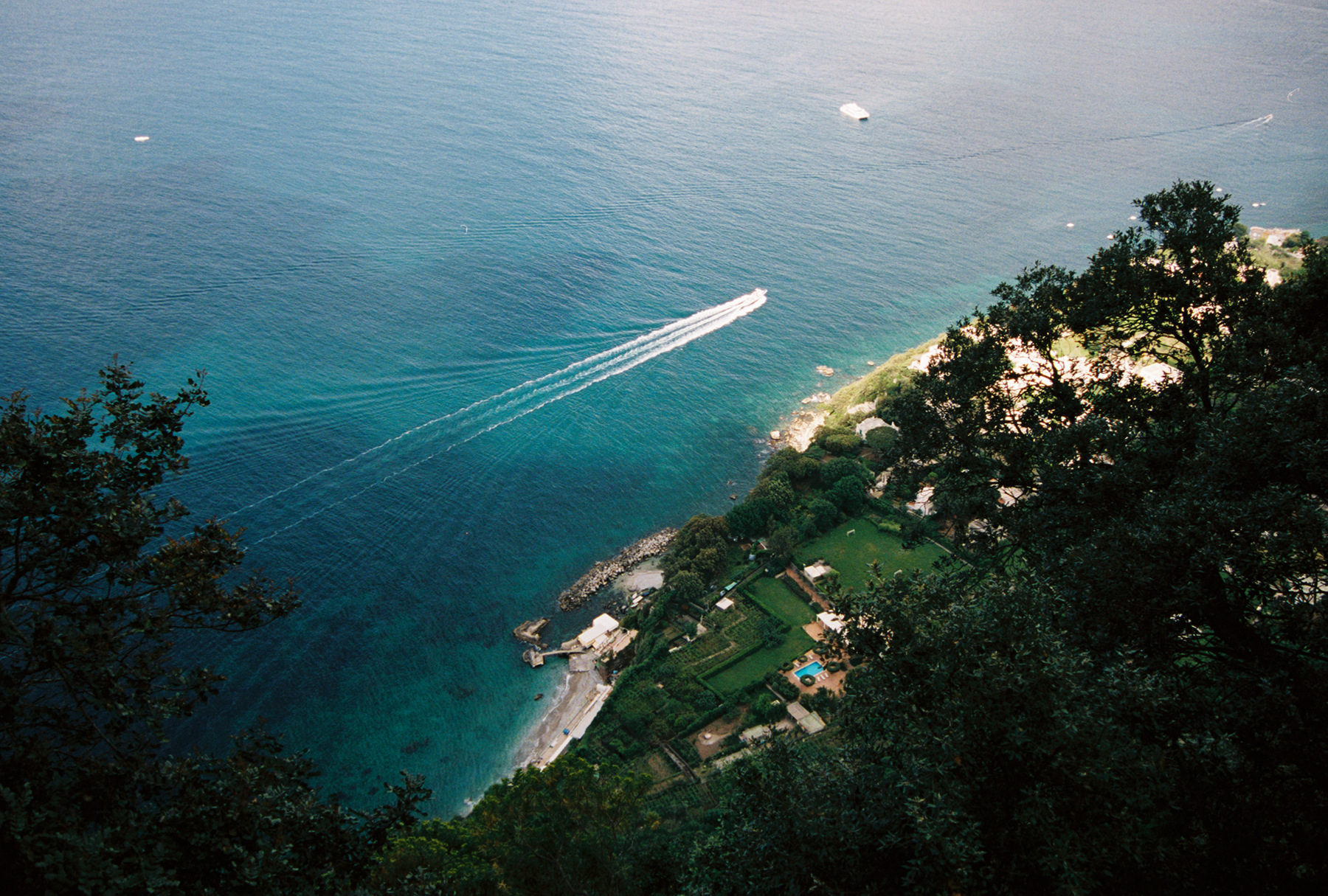
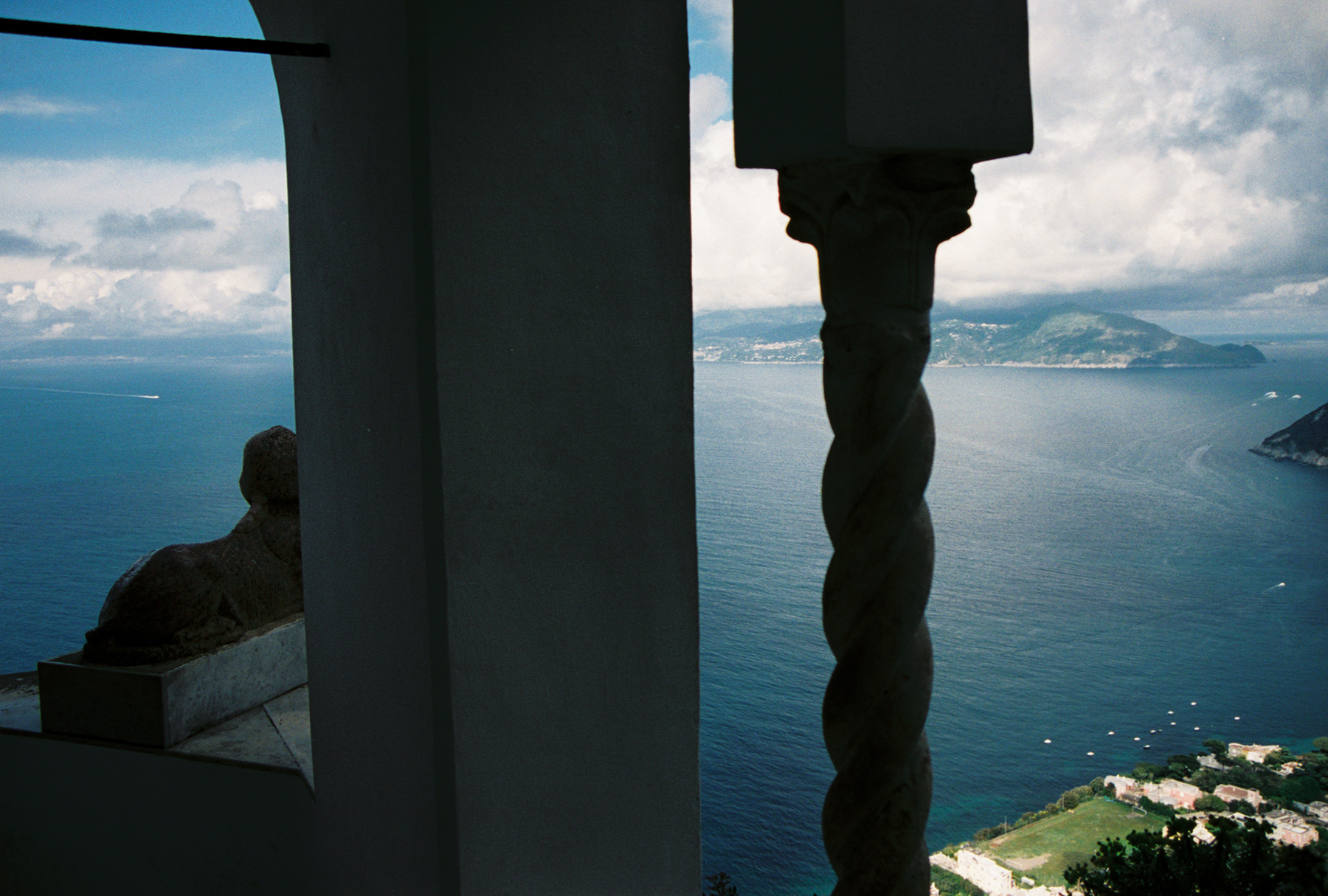
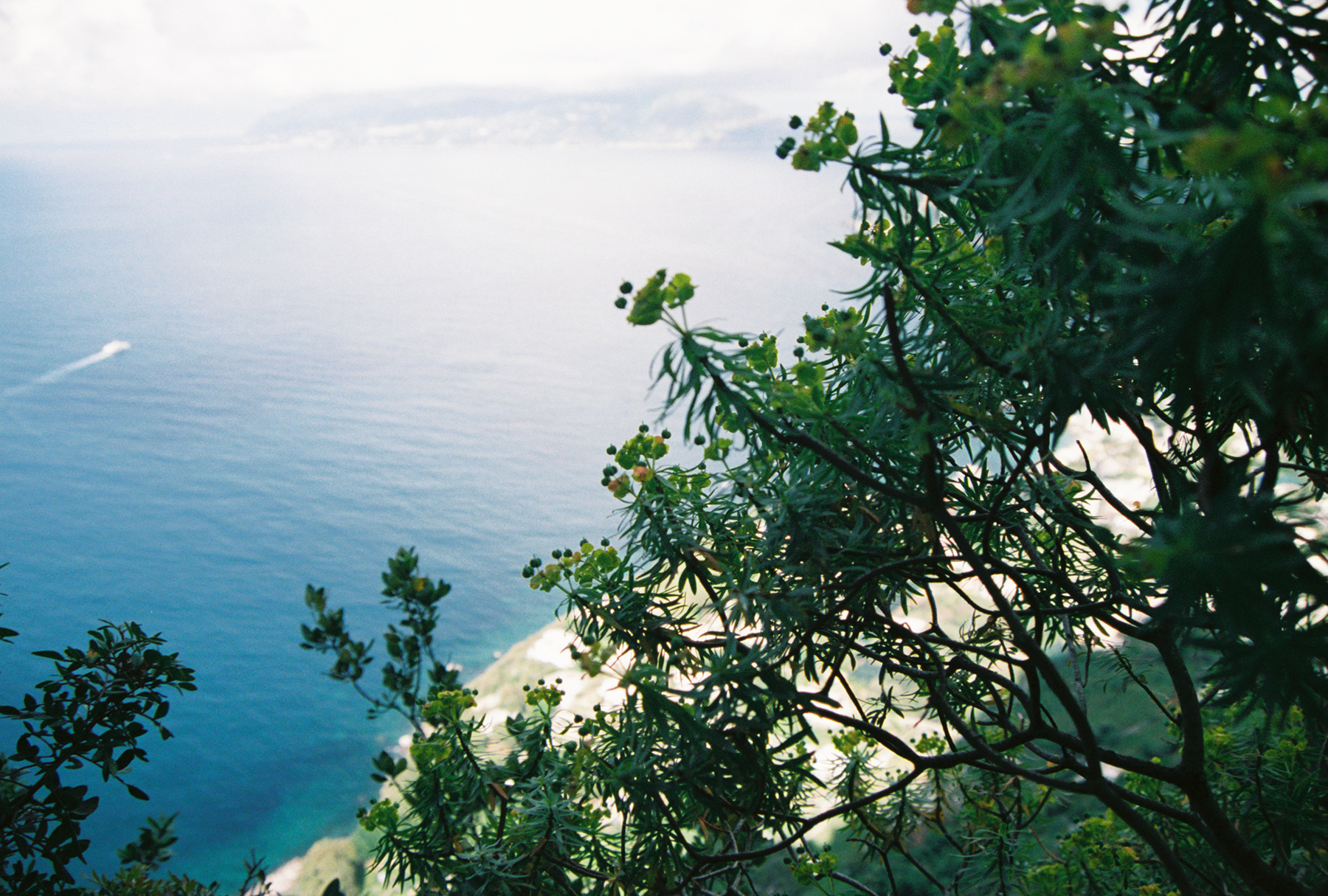
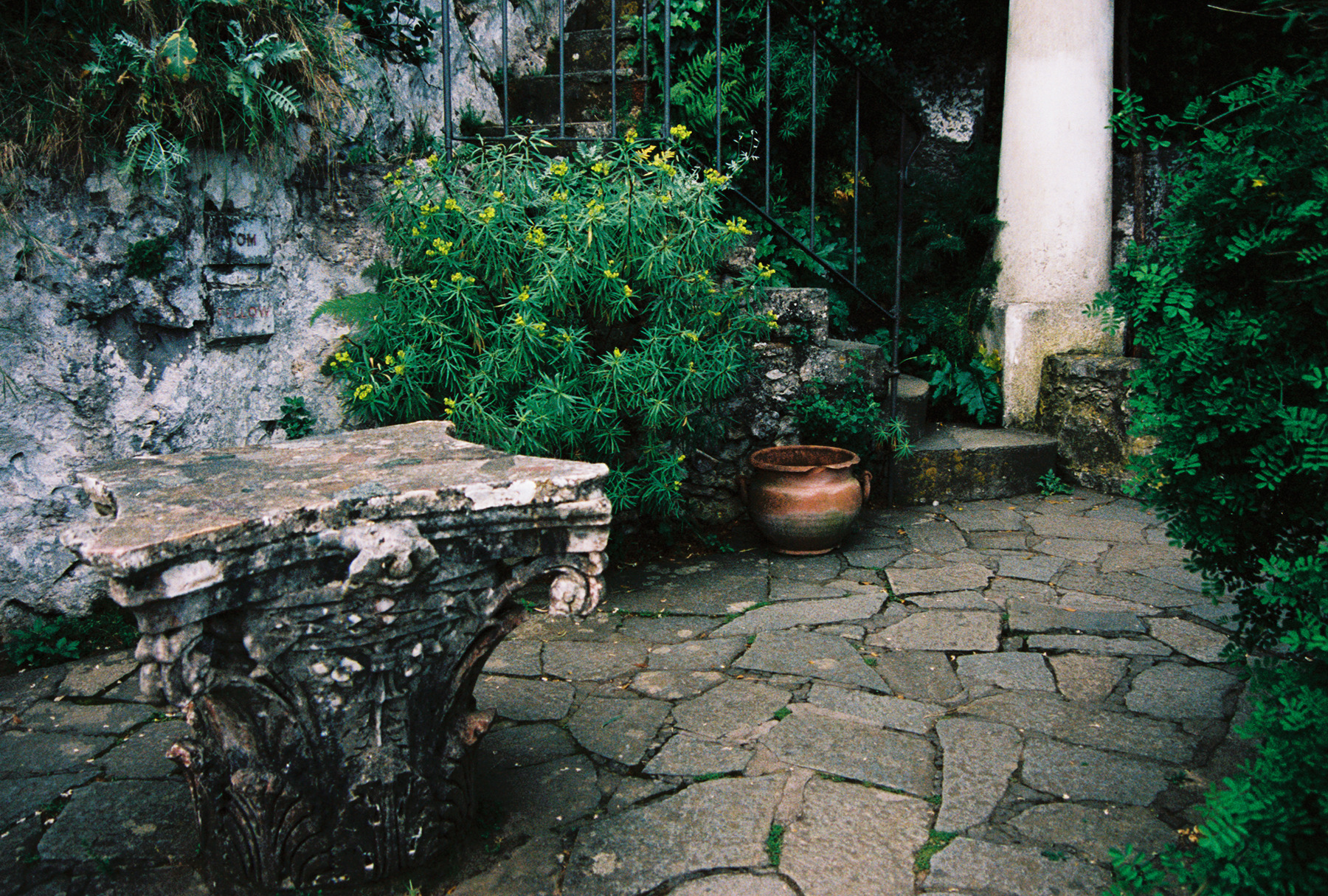
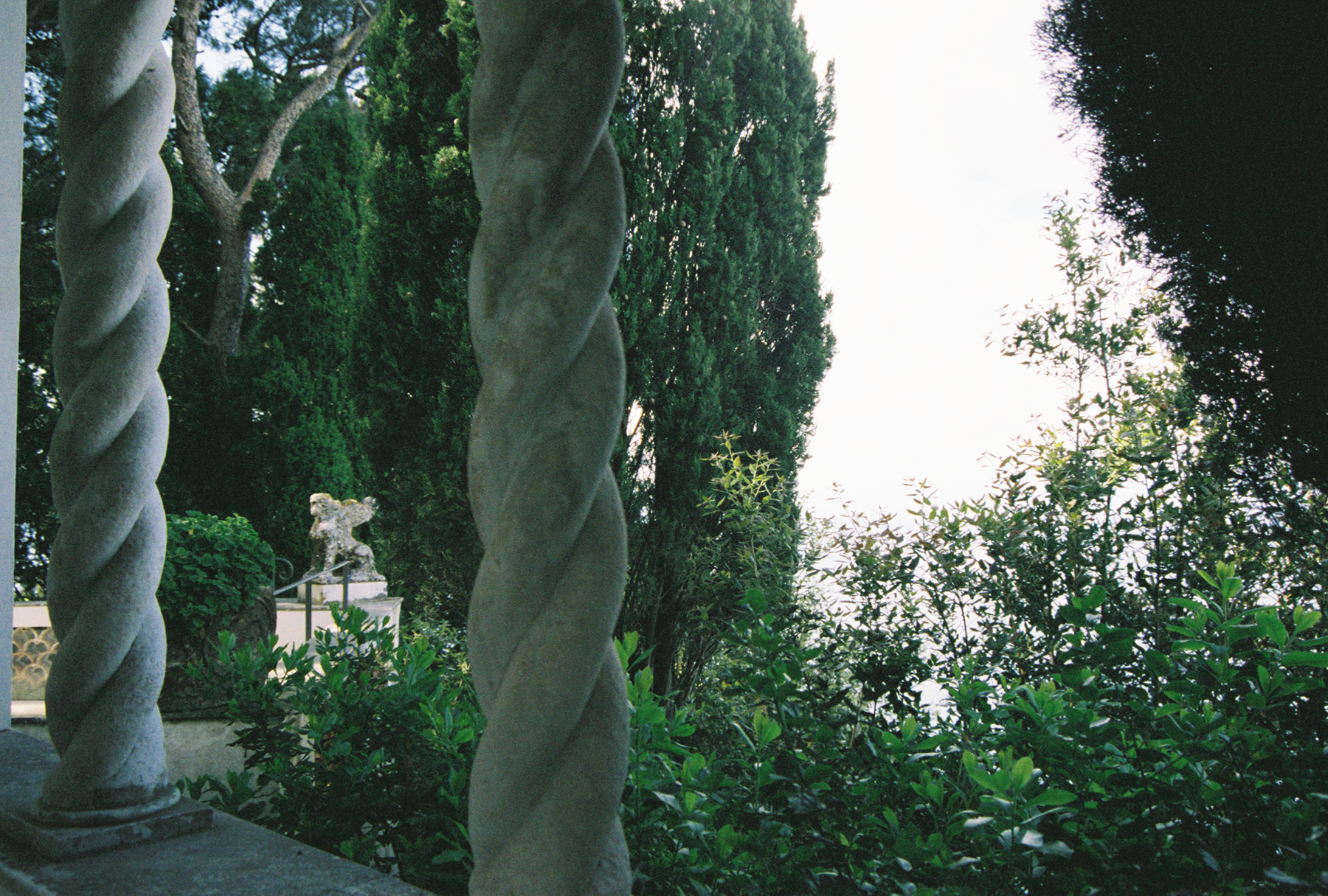
Travel on sea and breathe deeply in the clean bracing air as you wander miles of meadows and picaresque villages along the hiking trails of the Amalfi Coast, and the bejeweled isles of Capri, Ischia, and Procida. They are nature and ruin found in perfect harmony, timeless slices of heaven to be experienced best when in love with life.
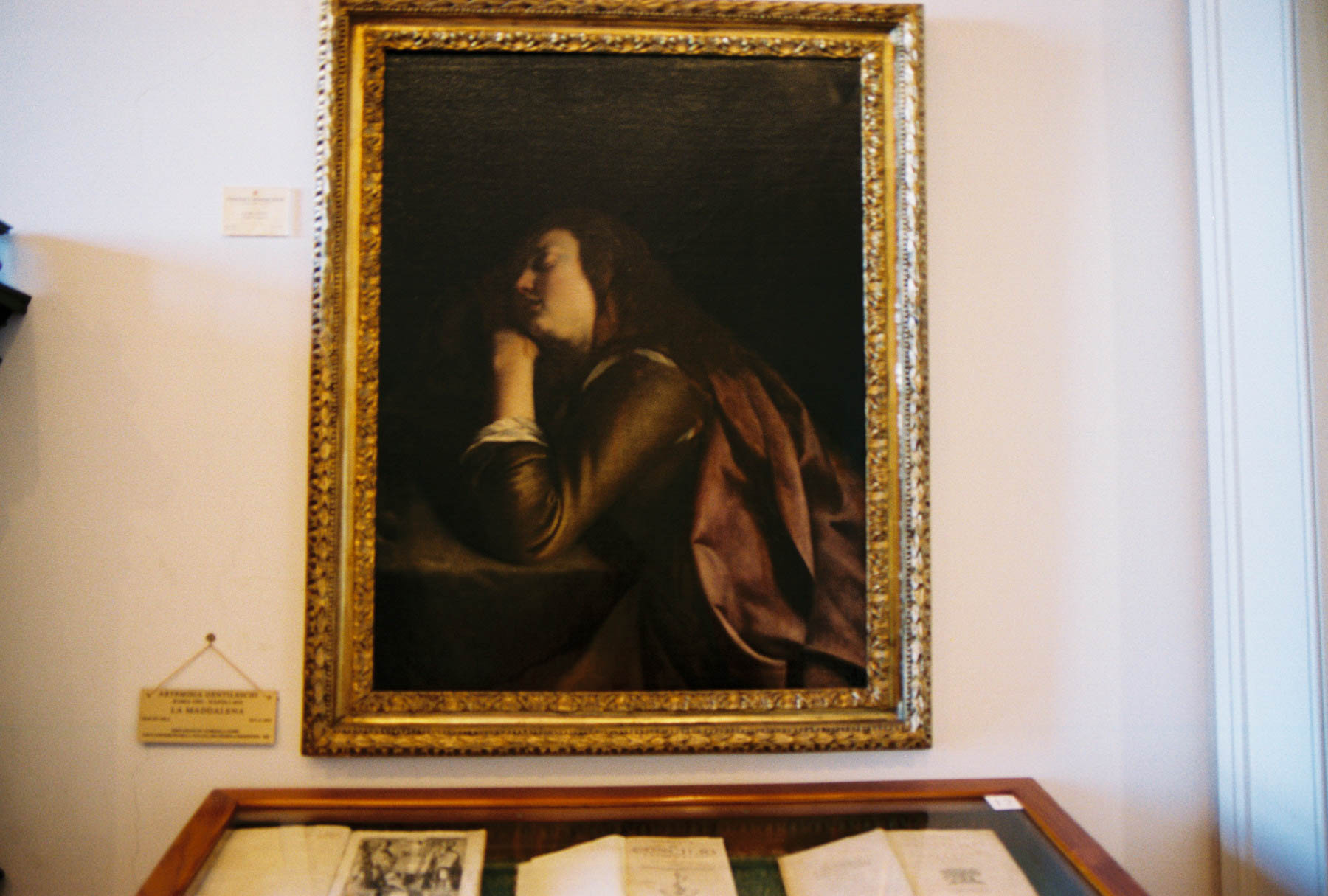
And back in Naples, even among the crush of pollution and population, with the stain of the Camorra, even in the heart of this ancient superstitious city with countless rulers over countless centuries one simply cannot ignore the fascinating elements of history and beauty bound eternally in the treasures of Roman Naples, of Pompeii and Herculaneum, of the ancient Emperor isles, of the Renaissance and Baroque art everywhere, still lingering, surviving, — conserved in the museums and palazzos of the Campania that will forever be worth exploring and studying.